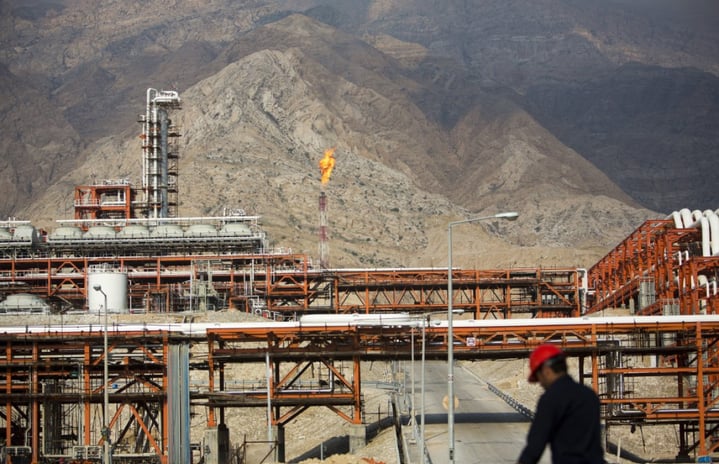
Iran's energy minister said he believed the country was less vulnerable than others in the region to any attacks on its energy infrastructure, in an interview with state TV broadcast on Tuesday.
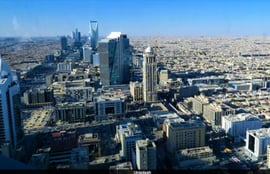
"We produce electricity in a spread out way in several places, unlike the countries of the Persian Gulf or the Zionist regime, where production is centralised and very vulnerable," Energy Minister Abbas Aliabadi said, referring to Iran's Gulf neighbours and Israel.
"We have more than 150 power plants across the country," he added, as the Middle East war dragged into its fourth week.
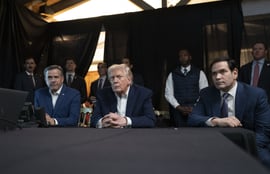
His remarks came days after US President Donald Trump threatened to strike Iran's energy infrastructure if it did not reopen the Strait of Hormuz, a vital shipping lane through which a fifth of global crude oil transits.
In a bombshell announcement on Monday, Trump said the US had engaged in "very good" talks to end the war, though Iran denied any dialogue had taken place.
© Agence France-Presse