Myanmar soldiers rampaged door-to-door, systematically killing, raping, and burning Rohingya men, women and children, the International Court of Justice heard on Tuesday, on day two of a genocide hearing.
ICJ judges are hearing three weeks of testimony as they weigh accusations by The Gambia that Myanmar committed genocide against the Rohingya in a 2017 crackdown.
Tafadzwa Pasipanodya, a lawyer for The Gambia, laid out harrowing evidence of an alleged attack on a village in northern Rakhine State in Myanmar.
Soldiers decapitated old men, gang raped women and girls, threw infants into rivers.
After killing everyone in the villages, they "systematically" burned the buildings following the so-called "clearance operations", alleged Pasipanodya.
"The totality of this evidence... convincingly show that Myanmar, through its state organs, acted with the intent to destroy the Rohingya," said Pasipanodya.
Myanmar has always maintained the crackdown by its armed forces, known as the Tatmadaw, was justified to root out Rohingya insurgents after a series of attacks left a dozen security personnel dead.
The violence forced hundreds of thousands of Rohingya to flee to neighbouring Bangladesh.
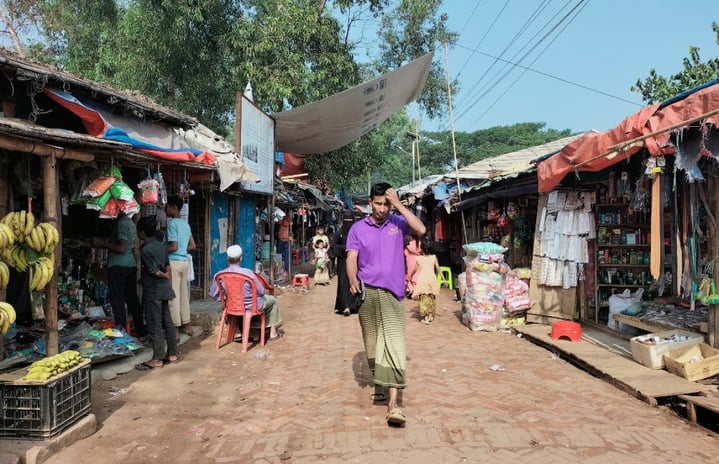
Today, 1.17 million Rohingya live crammed into dilapidated camps spread over 8,000 acres in Cox's Bazar in Bangladesh.
Lawyers for Myanmar will begin their response on Friday.
A final decision could take months or even years, and while the ICJ has no means of enforcing its decisions, a ruling in favour of The Gambia would heap more political pressure on Myanmar.
The Gambia is taking Myanmar to the ICJ, which rules in disputes between states, alleging breaches of the 1948 UN Genocide Convention,under which any state can haul another before the ICJ if it believes genocide is being committed.
Legal experts are watching this case as it could give clues for how the ICJ will handle similar accusations against Israel over its military campaign in Gaza, in a case brought by South Africa.
© Agence France-Presse