Major changes are being seen in the framework of football in South East Asian countries. Regional nations have stopped relying solely on players within their borders. Instead, a strong campaign in acquiring skilled players from all corners of the globe has begun.
The top priority of the regional countries currently is to find players from other nations who will accept citizenship and to offer opportunities to those who have settled down in other countries. This includes players who have been trained at high-tier academies in Europe and those who play in the nation's youth teams and major leagues. Efforts are being conducted hastily within the region to bring over such players to the national teams and raise the quality of the teams. While the regional countries have been adopting modern changes, the Football Association of Maldives (FAM) has been accused of fraud and money laundering, with football as a whole having fallen.
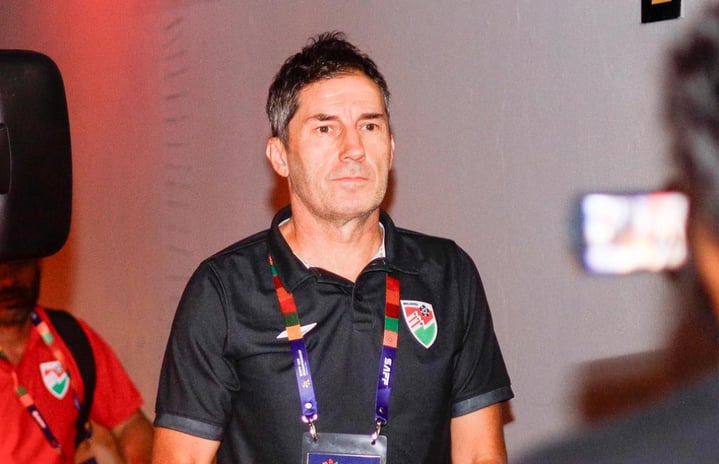
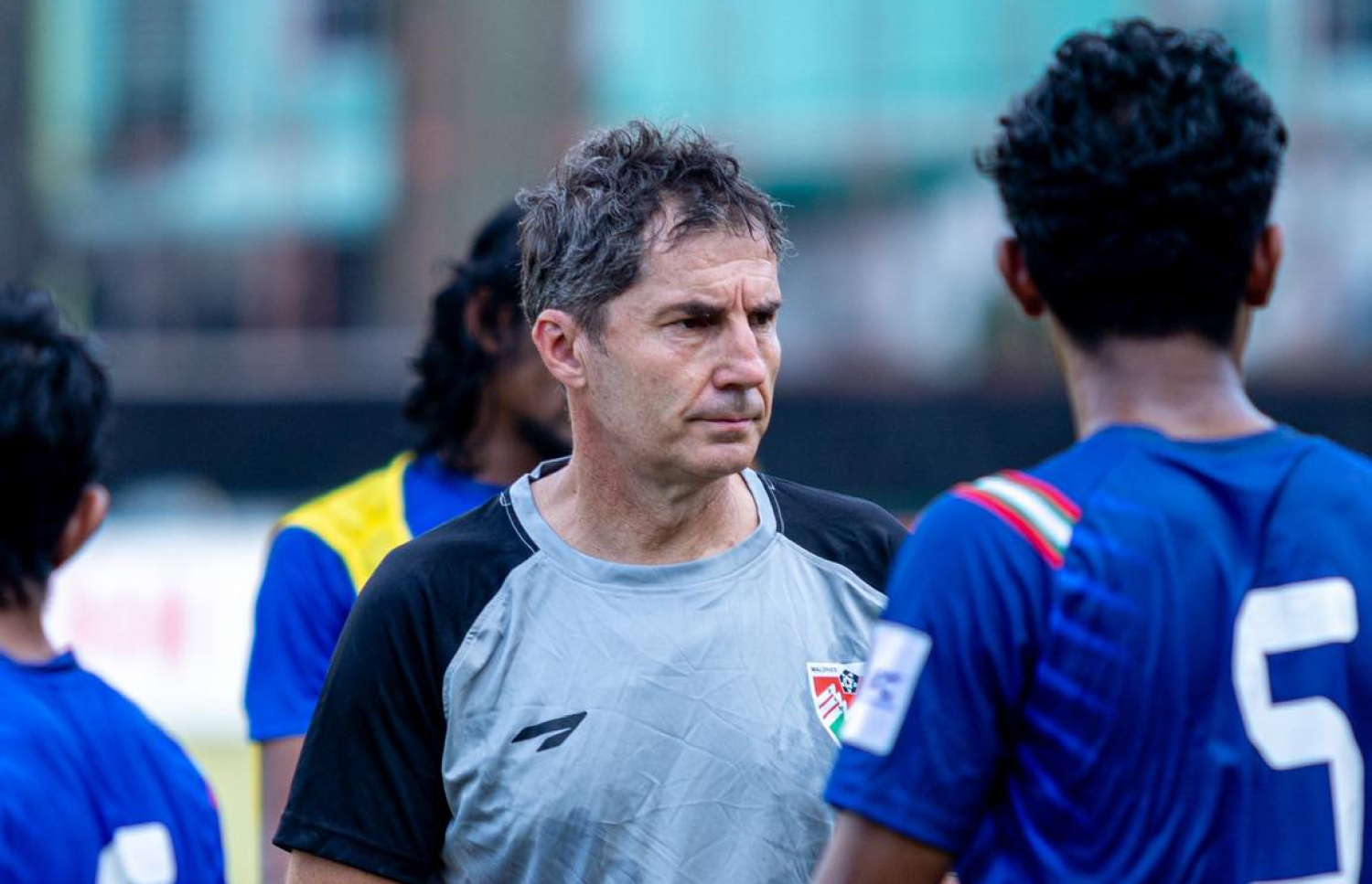
One of the people who has been given a portion of the responsibility in bringing back football to its former glory by FAM's current leadership is Hungarian professional István Urbányi, who has previously worked in Maldives as well. Due to the changes that were brought about when he had worked twice in Maldives previously, the FAM believes that Urbányi will serve an important role in bringing football back.
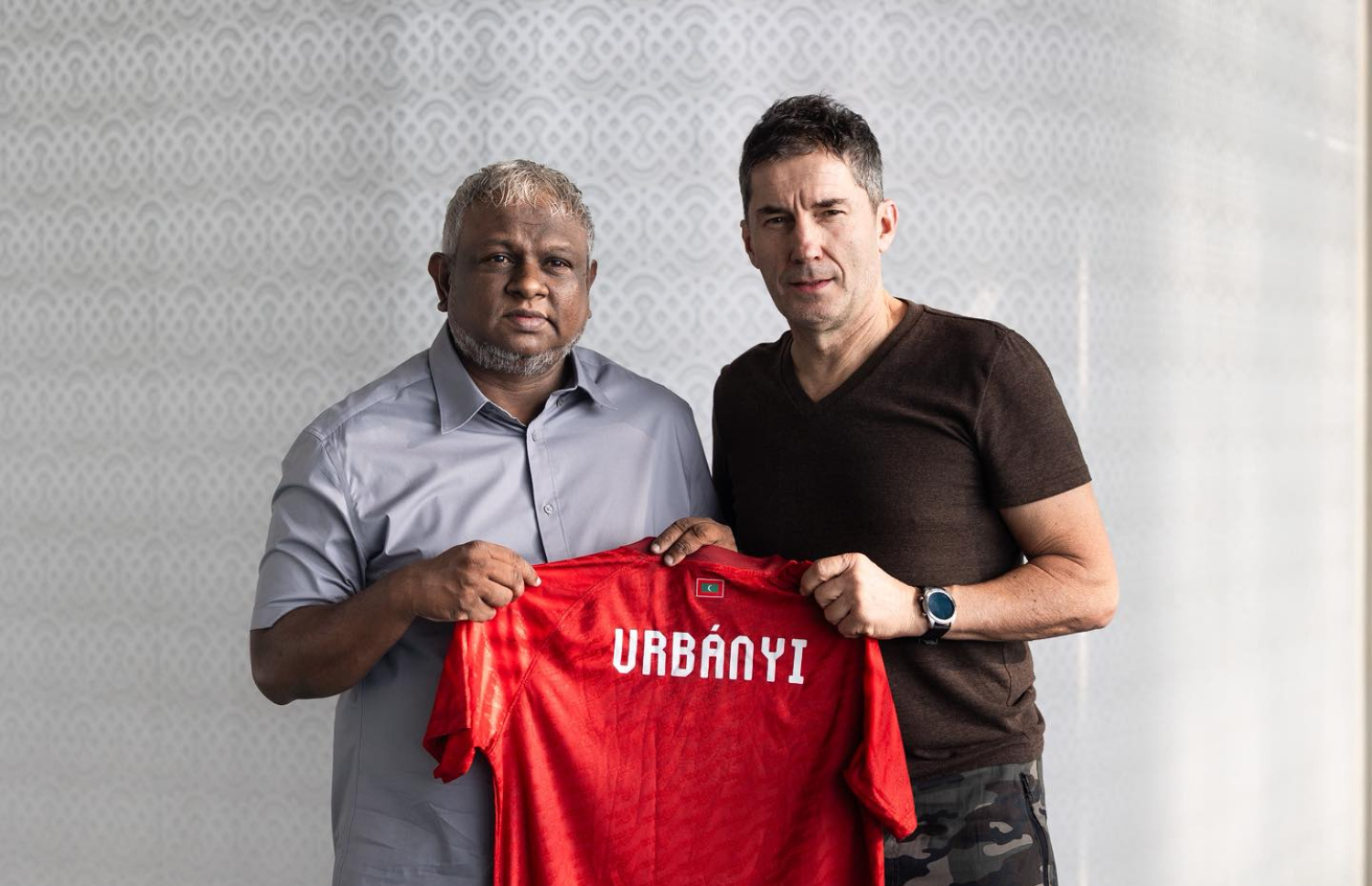
Urbányi initially came to Maldives in 2009 as a coach, during the golden days of Maldivian football, which was the time famed footballer Ali Ashfaq (Dhagandey) was at his peak.
The golden age of Maldivian football is a fond memory held in the hearts of Maldivians.
According to players from back then, one of Urbányi's major contributions after having brought that generation under his supervision is instilling a system or philosophy as to how a good game should be played.
This was 17 years ago. This is the third instance Urbányi has come to work in Maldives. It is his belief that a future cannot be built on just memories of the past.
"The past? We all remember those days. We were 12 years younger back then. I have met that skilled generation. I am lucky to have coached those players. But that is in the past. Instead of thinking of the past, let us give our attention to the current generation," said Urbányi in a previous press conference.
What is next for Urbányi and Maldives' national football team is the upcoming Diamond Jubilee International Football Tournament that will be hosted in Maldives.
Afghanistan and Pakistan, two of the three teams that will be playing against Maldives, do not have a strong domestic league. However, it is clear that the coaches of said teams would not face any obstacles in putting together strong squads.
Those countries are currently working on making their teams stronger by scouting European players who play in different European leagues. There are players from countries such as Denmark, Norway and Sweden who have played in the national youth team and those who currently play in clubs for their countries who play for Afghanistan and Pakistan.
South Asian football is currently moving in a completely different direction. According to Urbányi, India and other countries in the region are working to raise awareness and are working with modern plans, especially nations such as India, Bangladesh and Sri Lanka bringing about major changes.
India has also begun bringing in players who were born in other countries, spent their lives there and who play in the leagues in those countries. This is something India has never done before until recently. Until now, most of the players who have played in the national team have been those who were born and raised in India. But this has been changed by India.
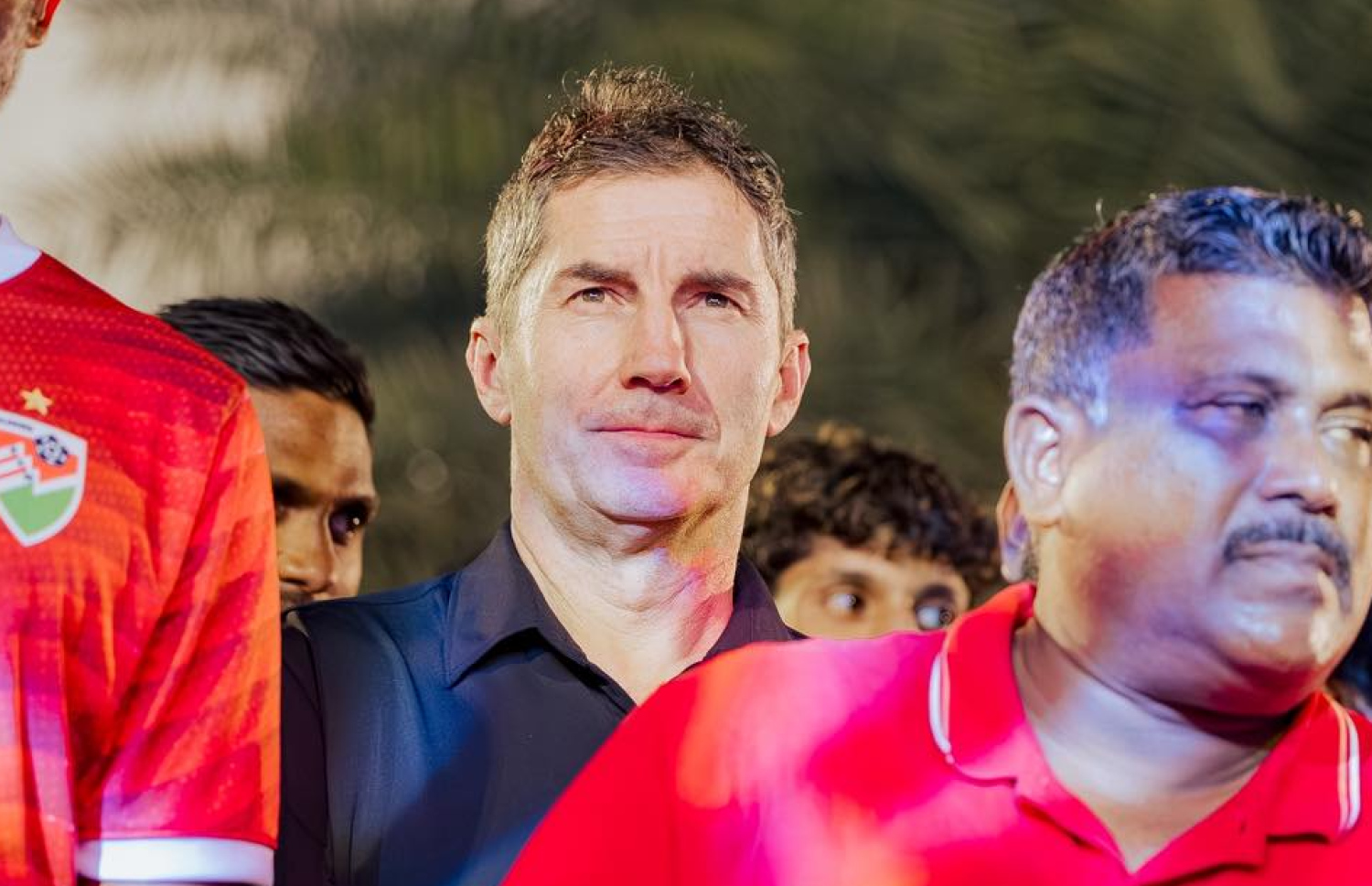
"Looking at Afghanistan, they are currently representing UEFA standards due to the players who are coming from European football. Progress can be seen by India and Bangladesh as they have been bringing in foreign coaches and implementing structural changes.
Maldives has to honestly gauge themselves
This is a major test for Maldives. It is Urbányi's opinion that in a time where regional nations are becoming more aware and progressing with foreign coaches and making use of professional systems, Maldives has to conduct an "honest self-evaluation" and to compare itself to international standards.
"For example, the match against Timor-Leste showed our current level and what we are lacking. Our combination play and everyone's pressing game showed promise. Nevertheless when looking at the complete picture, we are still behind when we compare ourselves to when I left years ago," as Urbányi told Mihaaru News.
One of the obstacles he highlighted were the changes that were brought about to the framework of Maldivian football.
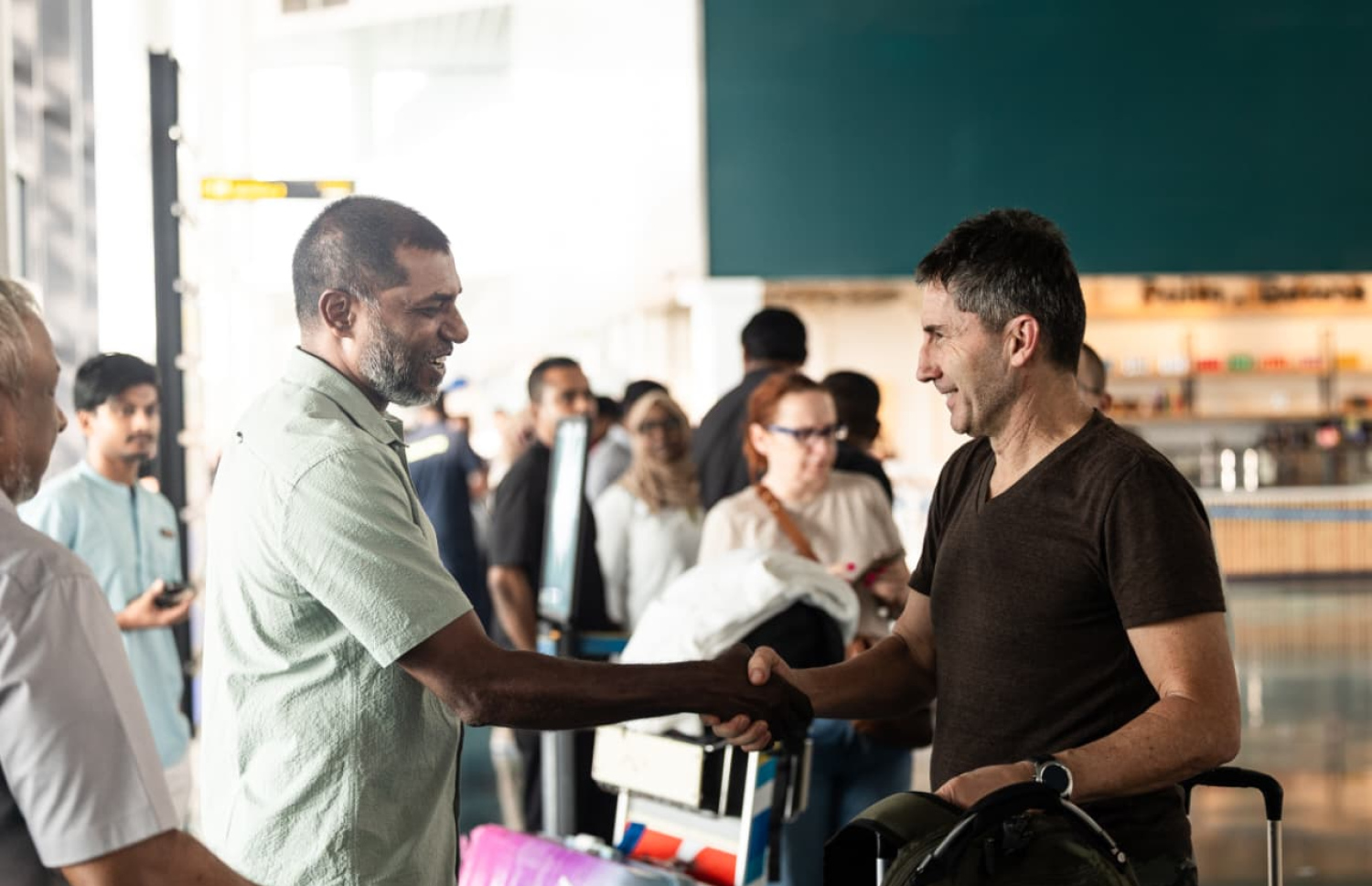
He is concerned with the lack of Maldivian players in key positions at clubs especially in domestic tournaments. Urbányi said that an increase of foreign players in the central defender, defensive midfielder and striker positions in the First Division, Second Division and atoll tournaments is an obstacle to that changes players want to bring about for the national team.
When Urbányi had initially come to Maldives, the national team had the strongest forward line in South Asia. The defensive line had Sobah Mohamed Ibrahim, Mohamed Jameel, Assad Abdul Ghanee and Ahmed Saeed (Ammatee). Years have passed since they retired. However, Maldives still has not found a way to fill the huge defensive gaps.
As per Urbányi, Maldives needs to bring about changes along with tactical efforts in a region where countries are working to majorly change their national teams.
For example, he believes that the defensive issues can only be solved by amending the system of football as a whole.
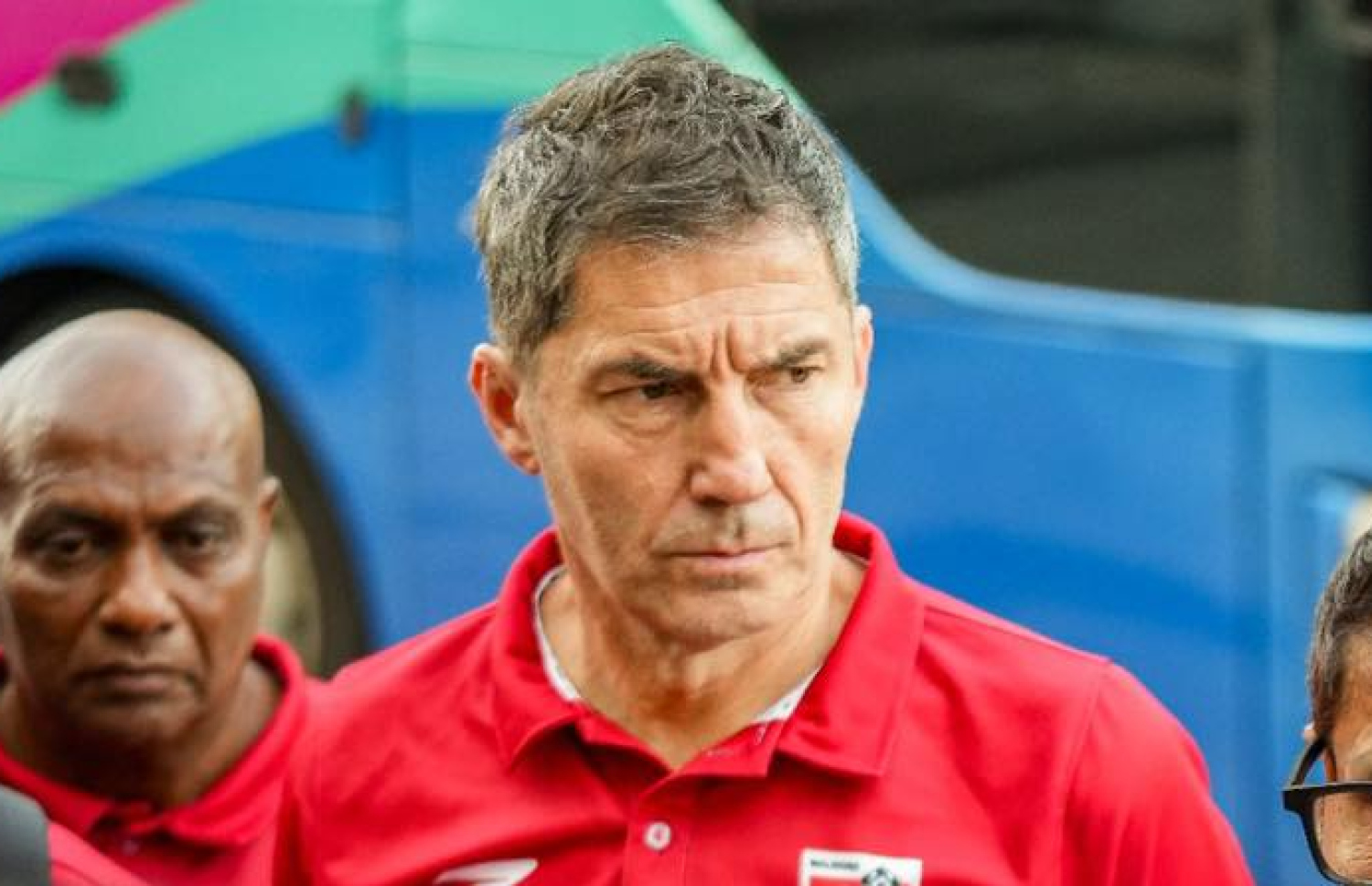
"This is not just a question of tactics, if we take a broader look, important positions such as the center back, midfielder or striker have foreign players, not just in the First Division but also in the Second Division and the atoll tournaments as well," said Urbányi.
"Looking at the current state, as some important central midfielders are currently injured, it has become an issue in trying to find other players who can fill that position and compete at an international level."
Urbányi went on to say that the next question that is posed by national teams is the balance between results and development. He said that his biggest aim in taking on the role of coach of the Maldivian national team this time around is to build a national team with youth players.
Urbányi said that his experience in Maldives this time around has shown that many changes need to be made in order to make his aim a reality. These are not changes needed to be made purely on the pitch. In order to achieve his target, it will take longer than he would hope.
"The U-20 SAFF Championship taught me a lot up until my experience this time around. When taking it into account, this will be a very long stage. Many changes need to be made. This does not include the changes to be made on the pitch," said Urbányi in an interview he gave to Mihaaru News.
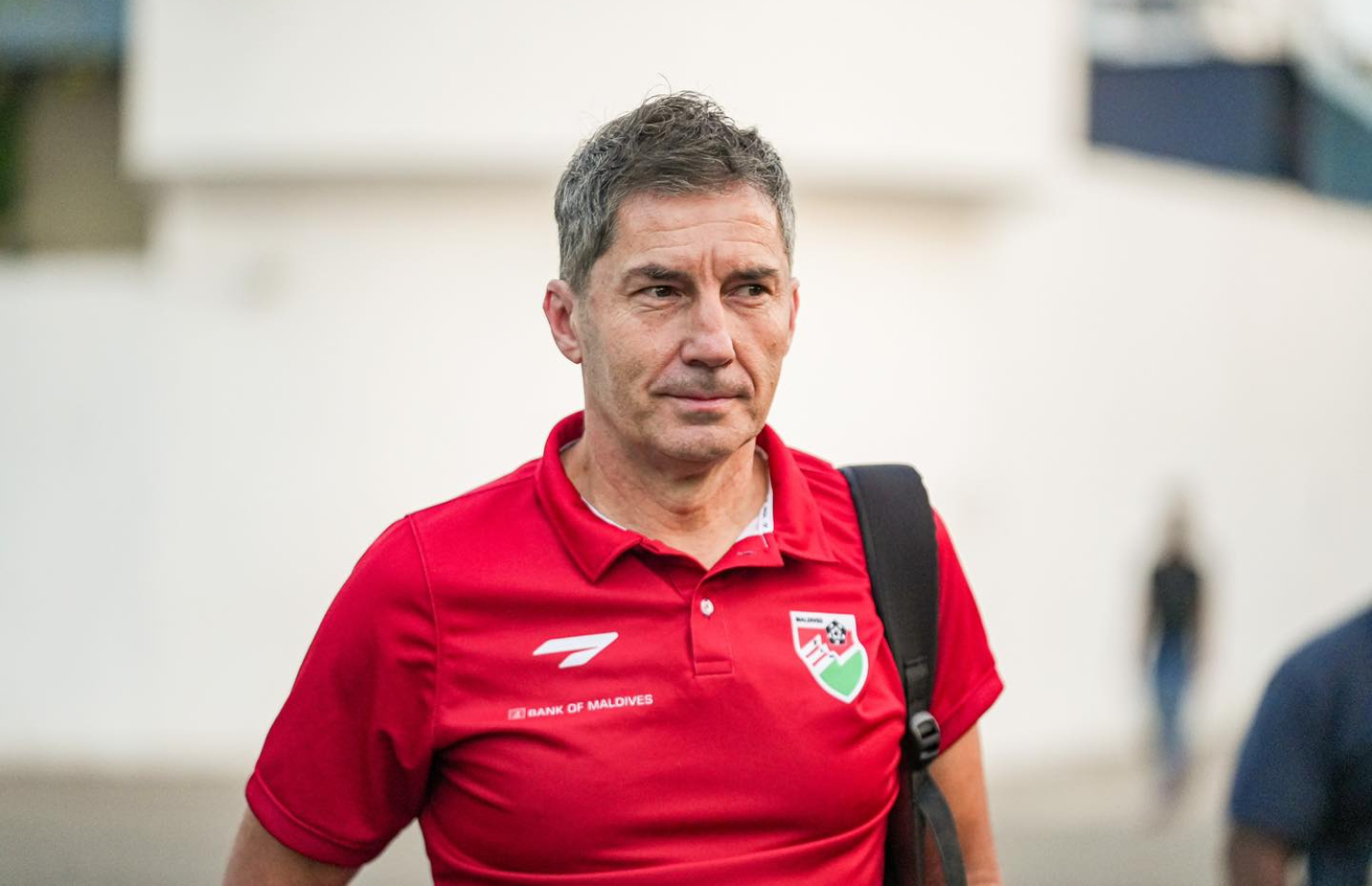
He believes that a temporary win cannot measure the true progress of football. Instead, if football is to make lasting progress, strengthening the quality of play on the field, the players' actions off the pitch and their principles in everyday life is something that must be done.
"In modern football, the quality of play needs to be prioritized above results after a certain developmental point. Results are important when it comes to the national team. However, sustainable progress can only be achieved after raising the quality of efforts on and off the pitch," said Urbányi to Mihaaru News.
In a previous press conference, Urbányi said that the most important lesson he learned in his 10 years in the United States of America (USA) is that football is not just what occurs on the pitch for 90 minutes. In order to become an athlete who can compete at an international level, their nutrition, lifestyle and their mindset needs to be changed.
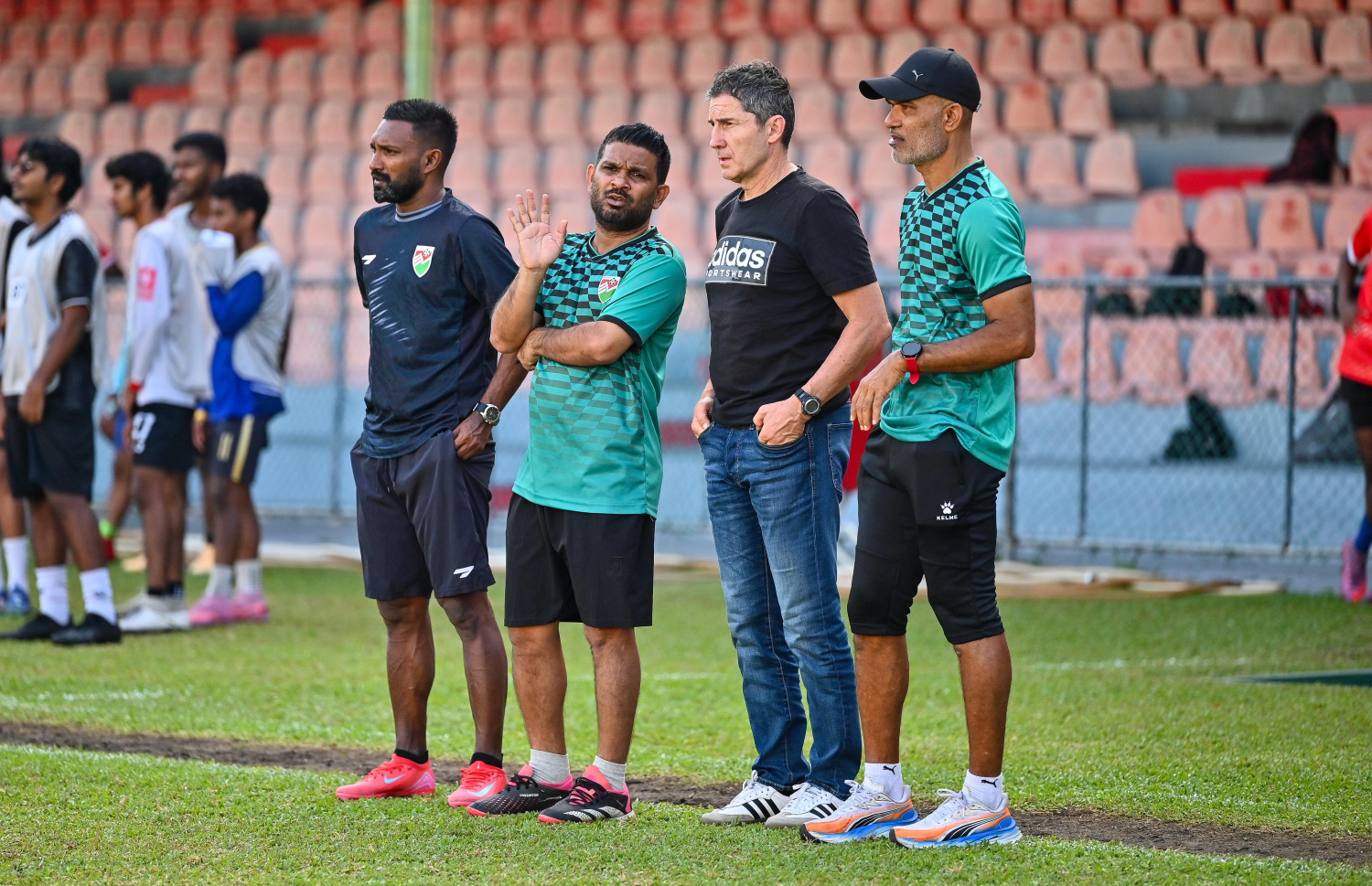
He stated that skill on the field is merely the beginning. He believes that skill can only be truly made use of by having certain professional disciplines.
"There are things that players need to do off the pitch in order to prepare and play at an international level. They are nutrition, their daily timetables and daily lifestyle. Mindset is also another thing. These are the parts that need to be strengthened in Maldives," said Urbányi during the press conference in the match against Timor-Leste in March.
He returned to Maldives as he felt that he had a "price" to pay for Maldivian supporters and players.
It is Urbányi's belief that the lessons from the U-20 SAFF Championship held in Maldives in March have shown him that building a new team will be a long journey. However, he is prepared for that journey.
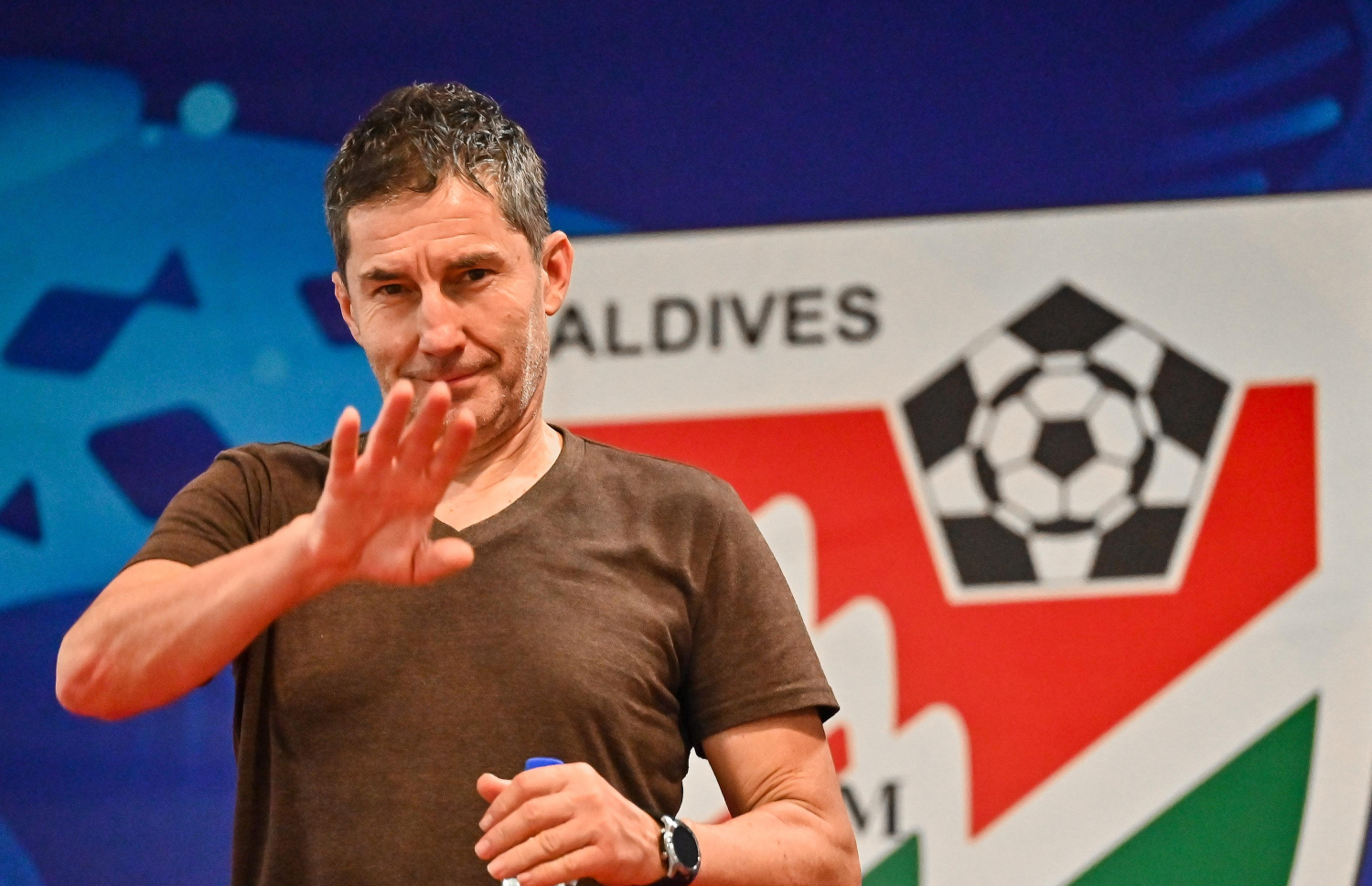
The Maldivian national team has issues with injuries and preparation. Nevertheless, it is Urbányi's aim to compete against strong teams. He believes that the difference between Maldives and strong regional teams can only be lessened by "honestly gauging oneself."
"One of the important things to take into account if progress is to be seen in competitive sports is to compare the team to other stronger teams. This is not just to gauge quality. This is the most important resource in moving forward. Regularly playing matches against strong teams is very important for all age groups, especially the younger players," said Urbányi.
He is confident that change in Maldivian football cannot be brought about only by making players understand that results are the only thing that matters in each game and competition. Before bringing about results, improving the quality of play and instilling a mindset of "good football" in the players needs to be done, said Urbányi. He also said that results cannot be brought about without doing that first.
"Nowadays, when most coaches speak about modern football, there is a priority in increasing performance within various stages in the development of a player before even speaking of results," said Urbányi.
"Sustainable progress can only begin by the changes brought about on and off the field."
Urbányi, who led the Maldives U-23 team in winning the 2012 H.E. Mahinda Rajapaksa Under-23 International Football Trophy, said that his mission this time around is not just to win tournaments. More than that, he wants to rebuild the foundation of Maldivian football. To give more opportunities to younger players, change their mindset and to create a team in Maldives that can compete with the strong regional teams that are undergoing major changes.