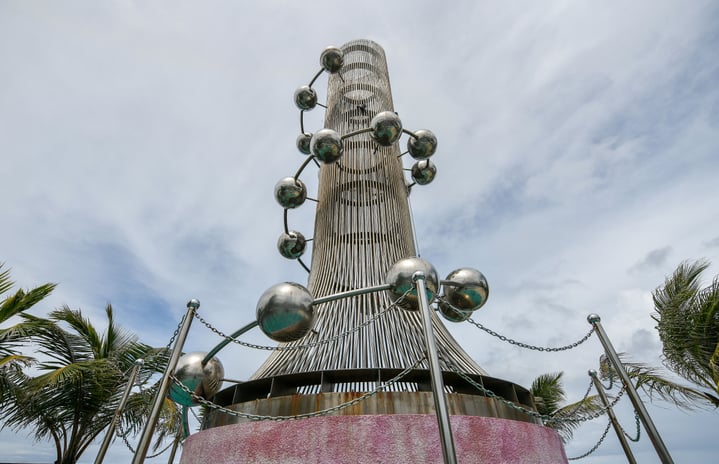
Background of ‘World Tsunami Awareness Day’
The World Tsunami Awareness Day was designated as the 5th of November by the UN General Assembly.
The idea to commemorate the World Tsunami Awareness Day began in Japan. Japan has developed expertise in establishing tsunami resilient infrastructure due to the frequency and the magnitude of disasters experienced by the country.
The UN Tsunami Day is built around the theme of being tsunami ready and being tsunami resilient. This does not only mean building tsunami resilient infrastructure. It also emphasizes the importance of community preparedness.
The ‘#GetToHighGround’ campaign launched by the United Nations Office for Disaster Risk Reduction (UNDRR) in 2022, encourages communities to participate in drills along tsunami evacuation routes. The UN highlights that community-based drills are necessary so that citizens know evacuation routes and can keep necessary supplies ready if the situation calls for it. These drills place a special importance on accessibility – so that vulnerable groups such as disabled people, children, elderly people, migrants and tourists can seek protection during disasters.
Establishing tsunami resilient infrastructure and systems
After the devastating tsunami that struck the Indian Ocean in December 2004, the international community gathered in Kobe’, in the Hyogo region of Japan.
Shortly after that, the international community established the first, detailed global agreement on disaster risk reduction – the 10-year plan for Hyogo Framework for Action (HFA). The HFA recognized the need to develop policies, legislation and institutions for disaster risk reduction at all levels.
Alongside the HFA, the Indian Ocean Tsunami Warning and Mitigation System was also developed to calculate seismographic scores, monitor sea levels and disseminate alerts to national tsunami information centers.
Despite the implementation of the 10-year HFA plan, Member States recognized that both higher and lower income countries remained vulnerable to the risks of disasters, in terms of both physical losses and economic impacts. This led to the development of the Sendai Framework being established in 2015.
The Sendai Framework is particularly focused on reducing the economic, social, cultural and environmental risks and losses of disasters across communities over the next 15 years.
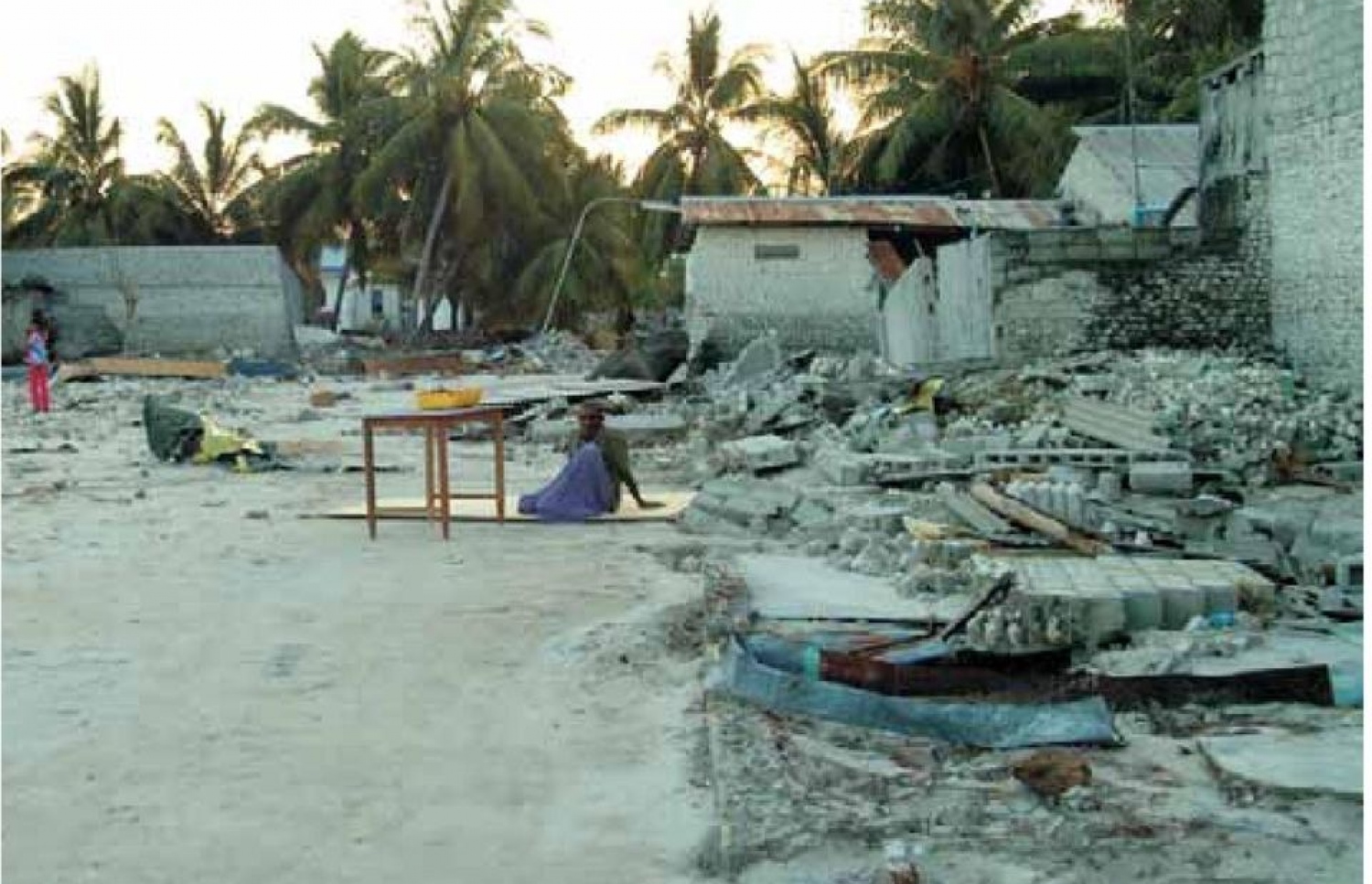
The Indian Ocean Tsunami of 2004 and its impact on Maldives
The devastating tsunami triggered by a 9.1 magnitude earthquake near Sumatra affected the lives of millions across Asia.
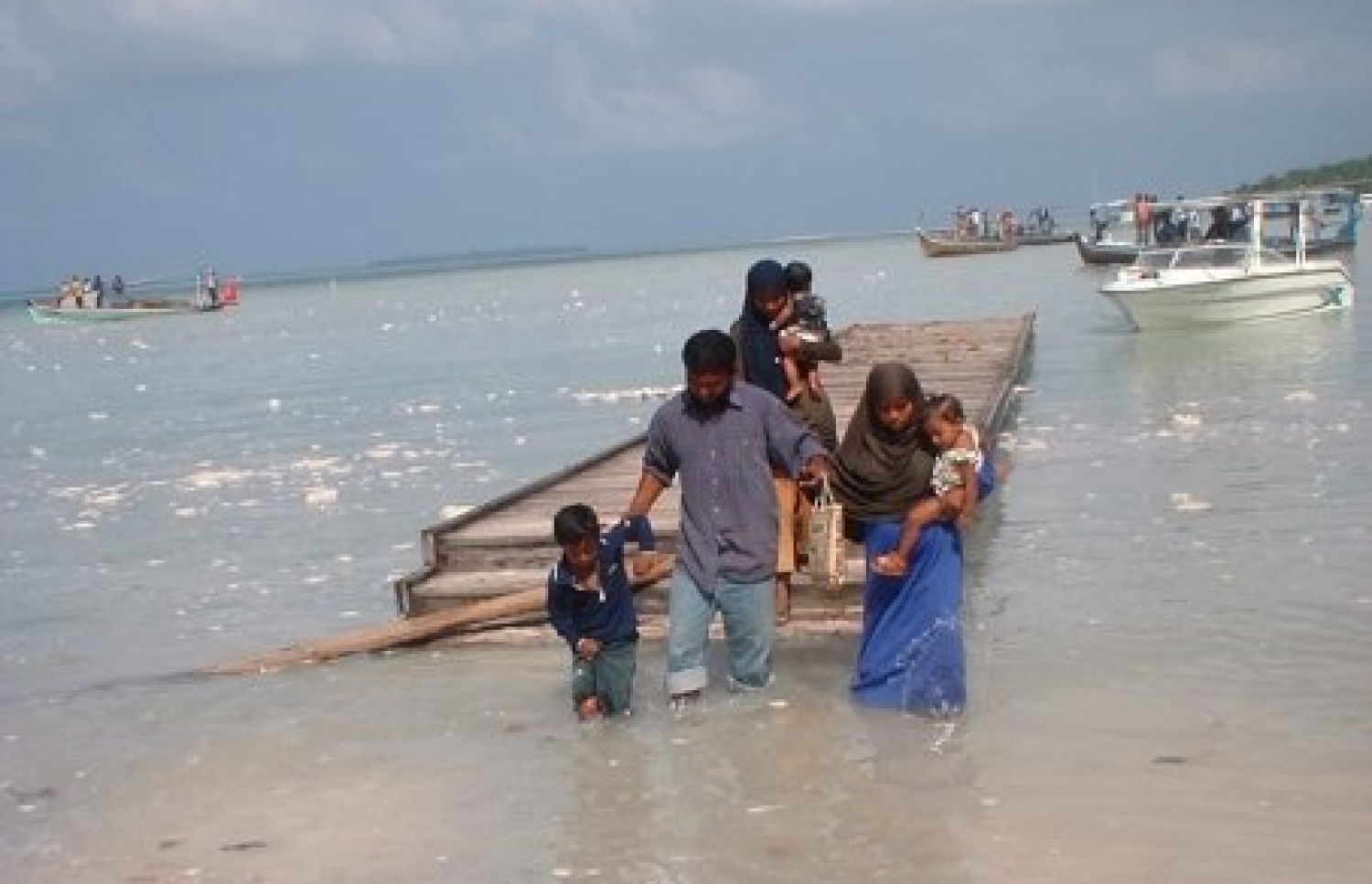
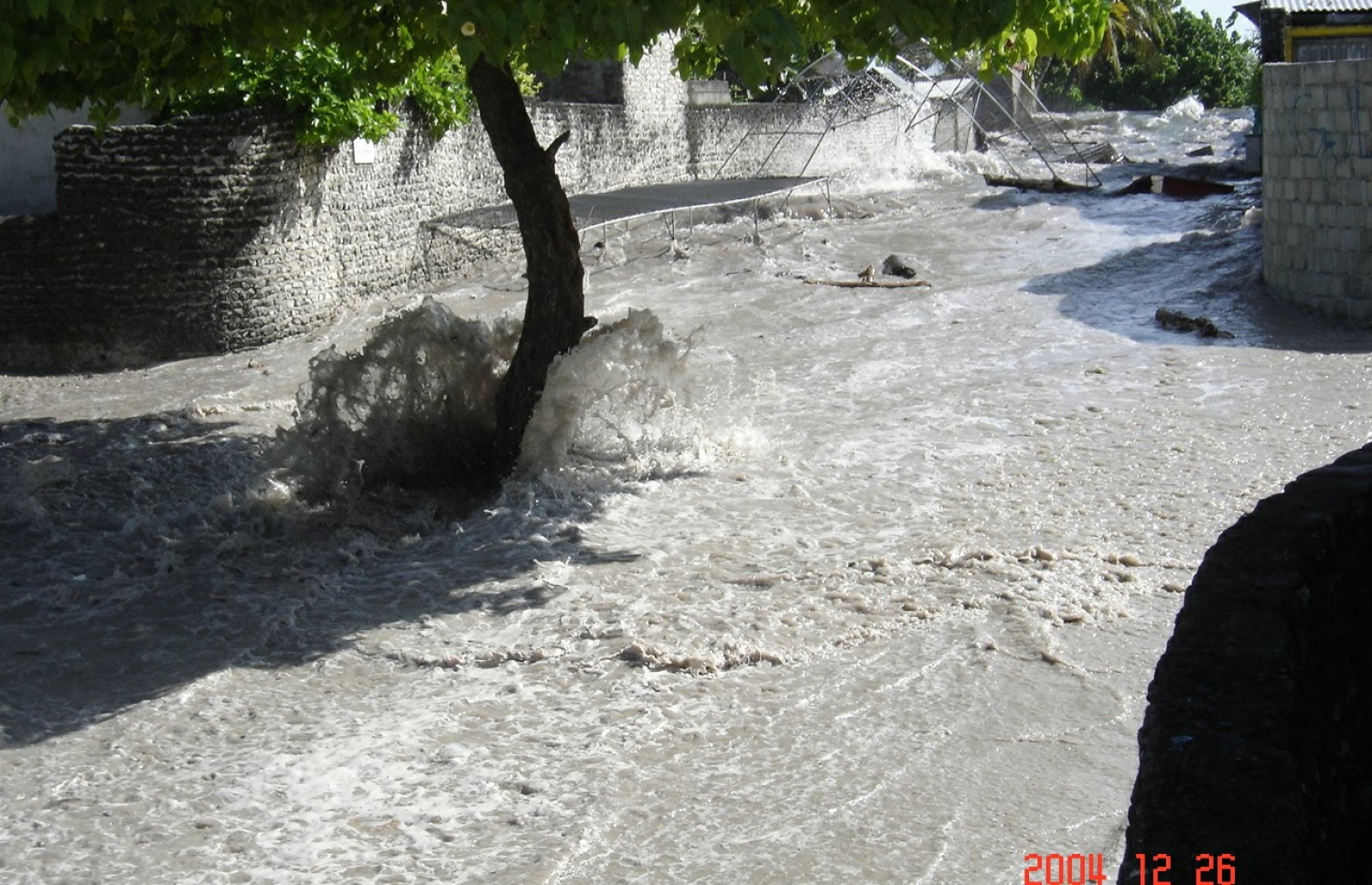
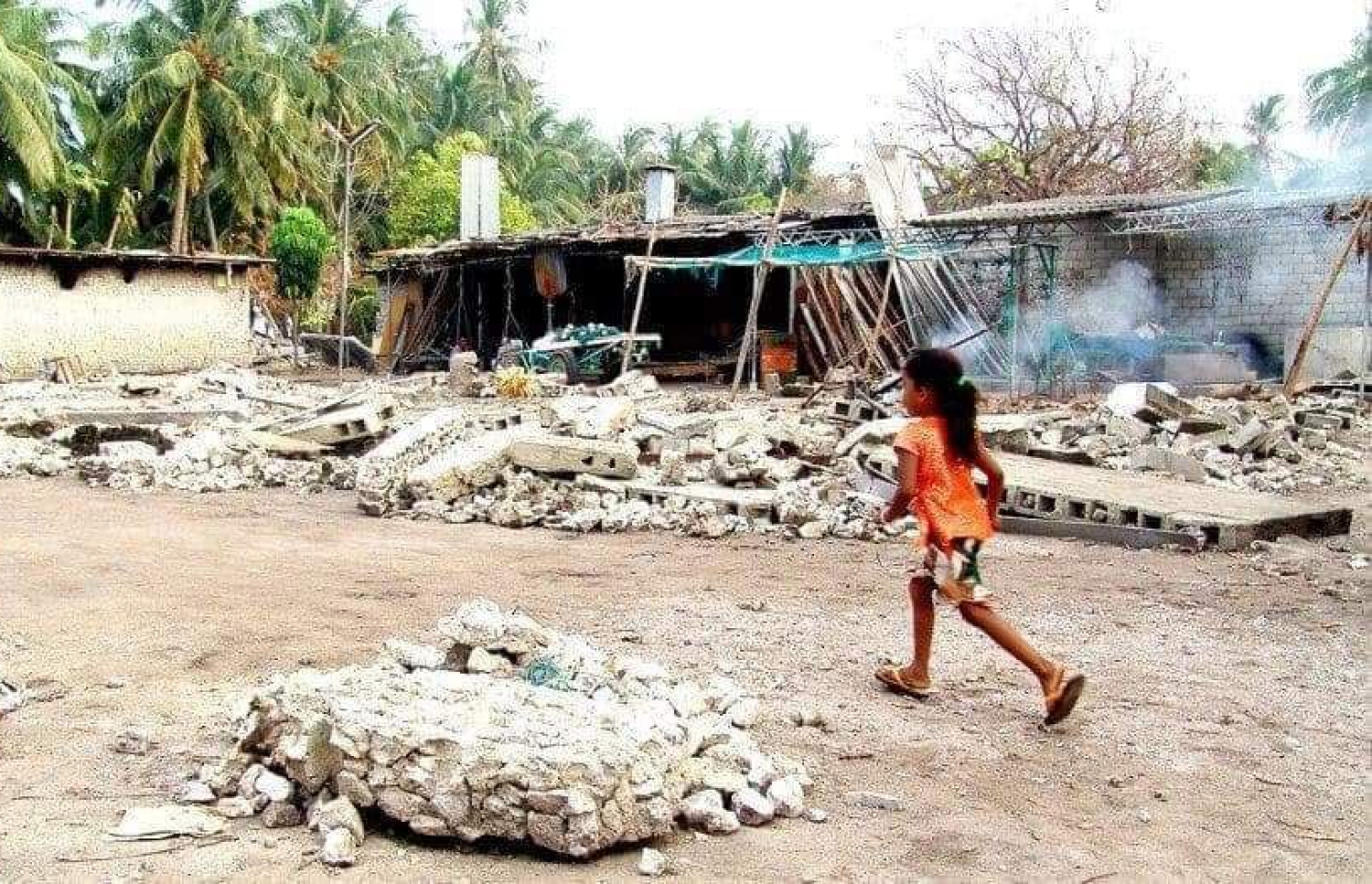
The destructive tsunami that hit the shores of Maldives on the 26th of December 2004 impacted 190 inhabited islands out of 199. This disaster claimed the lives of 82 people, left 26 people missing and around 15,000 people displaced. This was an extremely high number for a nation with a mere population of less than 300,000 people at the time.
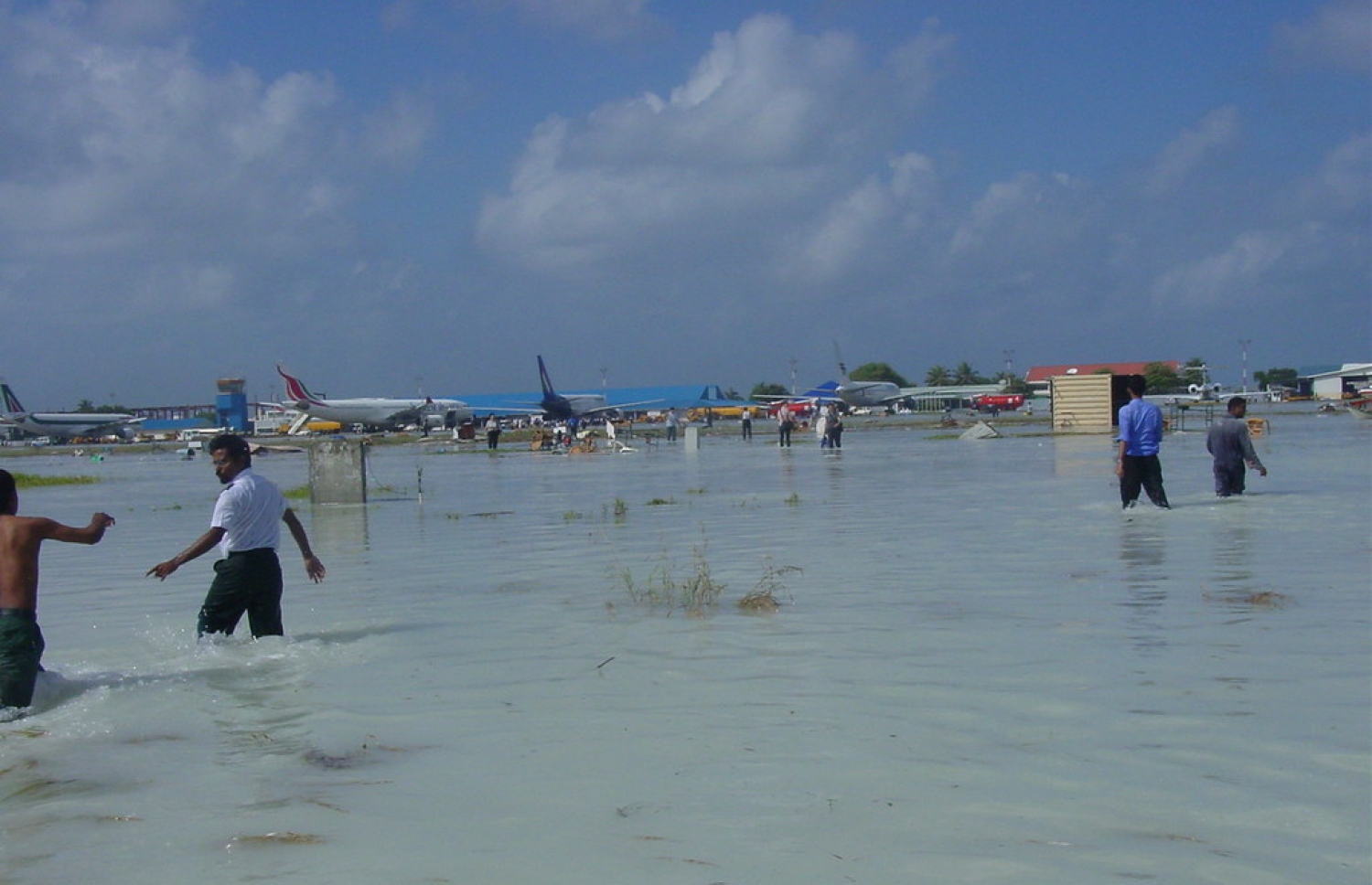
In addition to the devastating impact on people, the tsunami caused direct losses of about US $ 24.75 million. The National Recovery and Reconstruction Plan (NRRP) placed an estimated total cost of US $ 393 million, not including the US $ 100 million in damages caused to tourist resorts. The NRRP accounted for agricultural losses, infrastructure damages and damages caused to the education and health sector.
The 2004 tsunami left a deep and destructive impact on the Maldives – both financially and emotionally.
Some Actions the Maldivian Government and People Can Take to Prepare for and Address Tsunamis
5 Actions for the Government
The government has in place a structure for tsunami response. To be more effective, the following actions to protect lives, property and the environment need to be considered:
1. Put in place and straighten tsunami early-warning system. Install tsunami detection and monitoring equipment and work with regional and international warning centers. Disseminate immediate alerts through mobile phones, radio, television and island communication systems.
2. Develop evacuation plans and safe shelters throughout. Identify safe evacuation routes, construct elevated shelters where appropriate, and place clear evacuation signs across all inhabited islands. Conduct regular tsunami evacuation drills.
3. Educate and train communities. Organise public awareness campaigns in schools and communities to enlighten people how to recognise tsunami warning signs, respond to alerts and evacuate to safety.
4. Strengthen coastal protection and infrastructure. Protect vulnerable coastlines through appropriate coastal management, mangrove restoration and other nature-based solutions. This would also mean that buildings, hospitals, schools and communication facilities are designed to withstand disasters.
5. Improve emergency response and disaster management. Equip emergency services with boats, medical supplies, rescue equipment and trained personnel. Establish coordination between government agencies, local councils, health services and international organisations to provide quick assistance after a tsunami.
5 Actions for the People
As we pray that a tsunami does not occur and as we pray for safety, we must also ‘tie our camels’ and be ready to take certain actions such as:
1. Know the warning signs of a tsunami. There is a need to recognise natural warning signs such as strong or prolonged earthquakes, a sudden rise or fall in sea level, and unusual loud sounds from the ocean. Do not wait for an official warning if these signs occur.
2. Knowledge of evacuation routes and safe locations is key. Identify the nearest designated evacuation routes and safe multi-story buildings or shelters. Move away from the coastline immediately when warned.
3. Prepare emergency kits. Keep critical supplies ready, including drinking water, non-perishable food, a first-aid kit, a torch, batteries, important documents and a battery-powered radio.
4. Follow official warnings and instructions. Pay attention to alerts from the Maldives Meteorological Service and National Disaster Management Authority (NDMA). Share verified warnings with family members and neighbours.
5. Participate in community evacuation drills. Practise evacuation procedures with family members and neighbours. It is important to help children, elderly people, persons with disabilities and other vulnerable individuals to reach safe locations.
Conclusion
Tsunamis can cause serious damage to lives, homes and infrastructure. Therefore, the government must strengthen disaster preparedness, early-warning systems and emergency response, while individuals must remain informed, prepared and ready to evacuate.
Cooperation between the government and the public is essential to reducing tsunami risks and saving lives. This is what Tsunami Awareness Day is all about.