Across the globe, falling fertility rates are sparking public concern and discussions regarding demographic shifts. In the Maldives, this demographic transition is uniquely stark: our median age has jumped from 16 in 1990 to nearly 33 today. We are projected to become an “aged society” by the mid-2040s.
The core issue is that many young people may lack the necessary support systems to fulfill their intentions regarding family planning. While the desire for families remains, the prevailing socio-economic environment can make these aspirations challenging to achieve.
This World Population Day, we advocate for a focus on expanding opportunities. The 2025 State of World Population report, "The Real Fertility Crisis", suggests that when there is a gap between desired and actual family size, it highlights a need for strengthened social infrastructure and rights-based policies.
In the Maldives, young people face significant structural hurdles, often stemming from a lack of economic stability and an environment that does not fully facilitate a balance between professional and personal life.
These barriers are primarily structural. Economic considerations, the high cost of living in Greater Malé—which hosts 41% of our population—and the need for broader access to reproductive health services can impact the timing of personal milestones.
Furthermore, 19% of our youth are currently Not in Education, Employment, or Training (NEET), indicating a skills mismatch that can limit participation in the tourism-driven economy, often leading to increased domestic responsibilities.
We must also address the disproportionate allocation of care responsibilities within our society. Currently, the vast majority of unpaid care work is performed by women, which can limit their participation in the formal workforce and impact long-term financial security. With the senior population projected to triple by 2045, addressing this imbalance is a policy priority.
Without proactive policy interventions, rising health requirements may place significant pressure on social protection systems. These challenges are further influenced by environmental factors, including climate change and shifting lifestyle patterns, which require comprehensive and resilient planning.
The solution lies in “smart care policies” that transform care from a private burden into a public priority. By establishing decentralized, island-level support systems for community-based childcare and elderly care, we can directly address the inequitable distribution of care responsibilities. These policies are not just social services; they are essential investments in gender equity and economic empowerment, freeing women to participate fully in national development and ensuring that our youth have the stability to plan their futures.
Integrating measures like parental leave and shared care frameworks into our infrastructure builds long-term societal resilience. This approach also requires bridging the TVET-industry gap, ensuring our youth, who will manage both the care of an aging population and the defense of a climate-vulnerable nation, possess the technical skills and economic security to lead us toward a sustainable and equitable future.
Investing in young people today is the only way to ensure demographic resilience tomorrow. They need more than just services; they need a future worth planning for, one where economic security and reproductive rights are not luxuries, but foundations of Maldivian life.
As the Ministry of Health and UNFPA, we commit to efficient care models for both urban and rural settings. We must remember: young people are not just thinking about their future children; they are thinking about the world those children will inherit.
Let us build a Maldives that honours the aspirations of young people and ensures a fair, hopeful, caring and sustainable future for every generation.
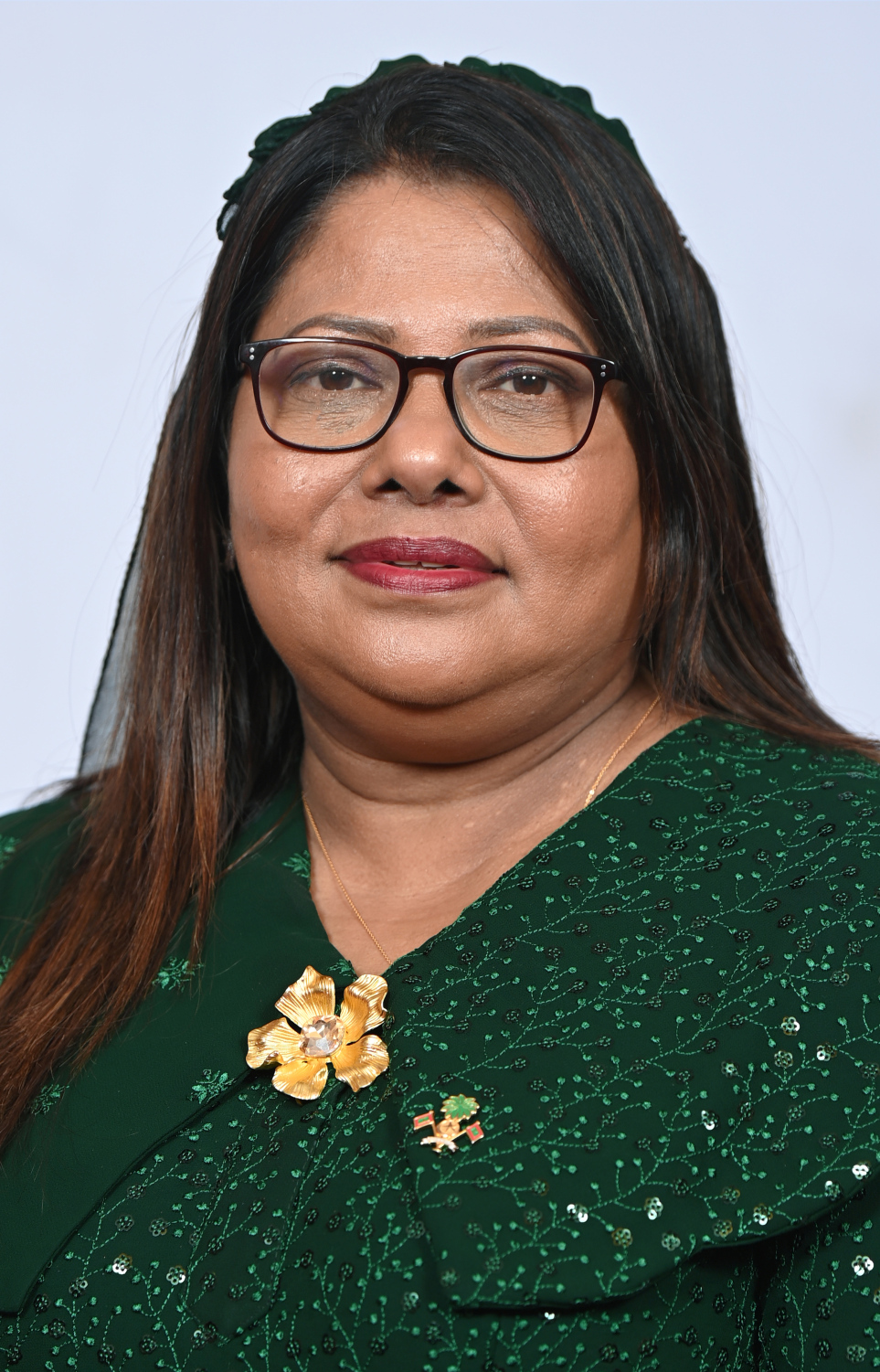
Ms. Geela Ali, Minister of Health, Family and Welfare of the Republic of Maldives
Ms. Geela Ali possesses over two decades of extensive public health leadership and more than six years of diplomatic experience within the Maldivian Foreign Service. Prior to her ministerial appointment, she served as the Permanent Secretary for the Ministry of Health, as well as the Ambassador of Maldives to Belgium and Head of Mission to the European Union. She holds a Master of Science in Public Health from the London School of Hygiene & Tropical Medicine.
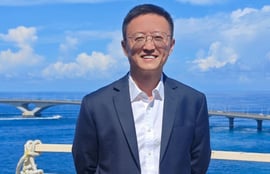
Mr. Phuntsho Wangyel, Country Director, a.i, UNFPA Maldives
Mr. Phuntsho Wangyel is a development planning and public policy professional with specialized expertise in policy analysis, national planning, and targeted social intervention programs. Currently serving as the Country Director, a.i for the UNFPA Sri Lanka and Maldives Country Offices, he previously led the UNFPA Bhutan Country Office and headed the Research and Evaluation Division of Bhutan’s Gross National Happiness Commission. He holds a Master’s degree in International and Development Economics from The Australian National University.