Opposition groups have announced plans to hold a rally on 6 November calling for a referendum on the proposed Rasmale’ development project.
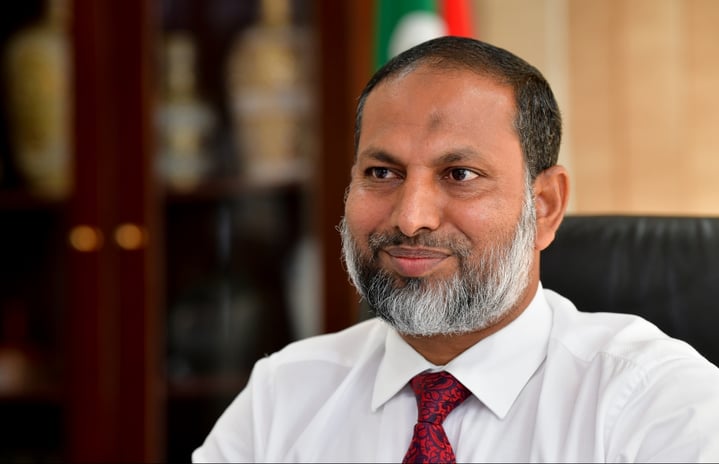
At a press conference today by the movement “Dhivehinge Bin Dhivehinnah” (Maldivian land for Maldivians), formed by several opposition groups, former home minister Imran Abdulla reiterated allegations that the project could lead to people of other faiths settling in the Maldives, arguing that any such move should be subject to public consultation.
“We believe that any settlement of people of different religions and ethnicities in the Maldives should be conducted after consulting the people of Maldives,” Imran said. He added that the settlement of Jewish people in the country would not be acceptable to the Maldivian public.
Imran argued that, as the Constitution stipulates that only Sunni Muslims can become Maldivian citizens, the Rasmale’ project should not proceed without a referendum.
He said efforts had been made to secure a referendum on the project and called on the public to participate in the rally. He also urged the security forces to support the movement.
The government has repeatedly rejected opposition allegations concerning the project, which is being developed by UAE-based Eagle Hills under the Maldives Marina and Waterfront initiative.
President Mohamed Muizzu said last Tuesday that Israeli citizens would be prohibited by law from acquiring or purchasing land in the development.
In an interview on the President’s Office podcast, The Pulse, President Muizzu accused the opposition of distorting the facts to achieve political objectives.
The President said properties in the development would be granted to buyers for 99 years. Once the lease period expires, ownership would revert to the Maldivian state, he said.
President Muizzu added that the properties could not be transferred to another party without the government’s knowledge and that the state would retain control over decisions concerning their future ownership.
He compared the arrangement to existing resort leases, under which the state can reclaim a property or extend the lease when the term expires, depending on the agreement.


