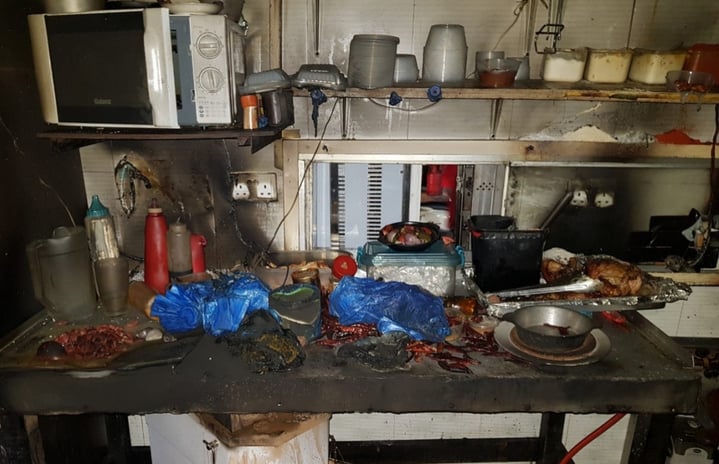
The Defence Ministry has stated that over 400 incidents of gas leaks have been recorded within the past five years. They added that most of these leaks were caused through defective gas cylinder caps and packing.
These details were revealed in the ministry's response on Sunday to an RTI request submitted by Mihaaru.
According to the data shared by the ministry, 442 gas leak incidents have been reported across the country from 2022 till date. This year alone, 74 such cases have been reported as of now.
The highest number of incidents were caused by defective gas cylinder caps, damaged packing, and faults in the connected stovetops.
Over the past five years, 28 cases of gas cylinder explosions and 21 cases of gas cylinders catching fire were also reported.
These incidents have caused a total of five deaths and injured 40 people over the course of the past five years.
Precautionary measures advised for possible gas leaks
- Avoid using any instruments or devices that create sparks or flames
- Avoid using any electrical switches
- Open all windows and doors for maximum airflow
The Defence Ministry stated that they have not observed defects in gas cylinders in general.
However, there are instances where gas leaks are caused if the pin is stuck in cylinders that are delivered. They said that one of the main observations in regards to gas leaks in the Male' area is the failure to physically check that gas cylinders delivered to homes are of safe quality and condition.
The ministry said that the prevalence of such incidents are generally attributed to a lack of awareness, leading to a failure to regularly check the integrity of the gas pipes or the tendency to use personally modified stovetops.
The ministry recommends introducing special guidelines for gas service providers and businesses. Further, they stated that it is important to regularly conduct inspections to ensure gas cylinders and pipes are in safe conditions in food outlets, restaurants and cafe's.
The ministry also recommended making it mandatory for those selling gas cylinders to direct delivery persons to inspect regulators and pipes on home visits, and provide necessary advice and instructions to customers.
They also advice the placement of gas detectors in both homes and businesses, and ensure quality assurance of regulators and pipes in the market.


