
Councils from three islands have prepared to run projects to earn USD revenue by naturally removing carbon dioxide from the atmosphere through Blue Carbon projects.
Under the Paris Agreement on climate change, countries have agreed to assign carbon credits and provide funding for them if carbon released into the atmosphere is captured and stored naturally.
The IMF has established that a ton of carbon is valued at USD 85.
The islands decided to run Blue Carbon projects for this purpose are Haa Dhaalu Atoll Vaikaradhoo, Shaviyani Atoll Kanditheemu, and Fuvahmulah City. These projects were opened up to investors at the "Rasvehi Tharaghee" forum held on the sidelines of the MDP congress currently underway in Malé.
Among them, the project in Sh. Kanditheemu is being conducted by Blue Guide Foundation, a private NGO, in collaboration with the island's council. The foundation aims to establish a Blue Carbon Observatory in Kanditheemu as part of a 10-year project.
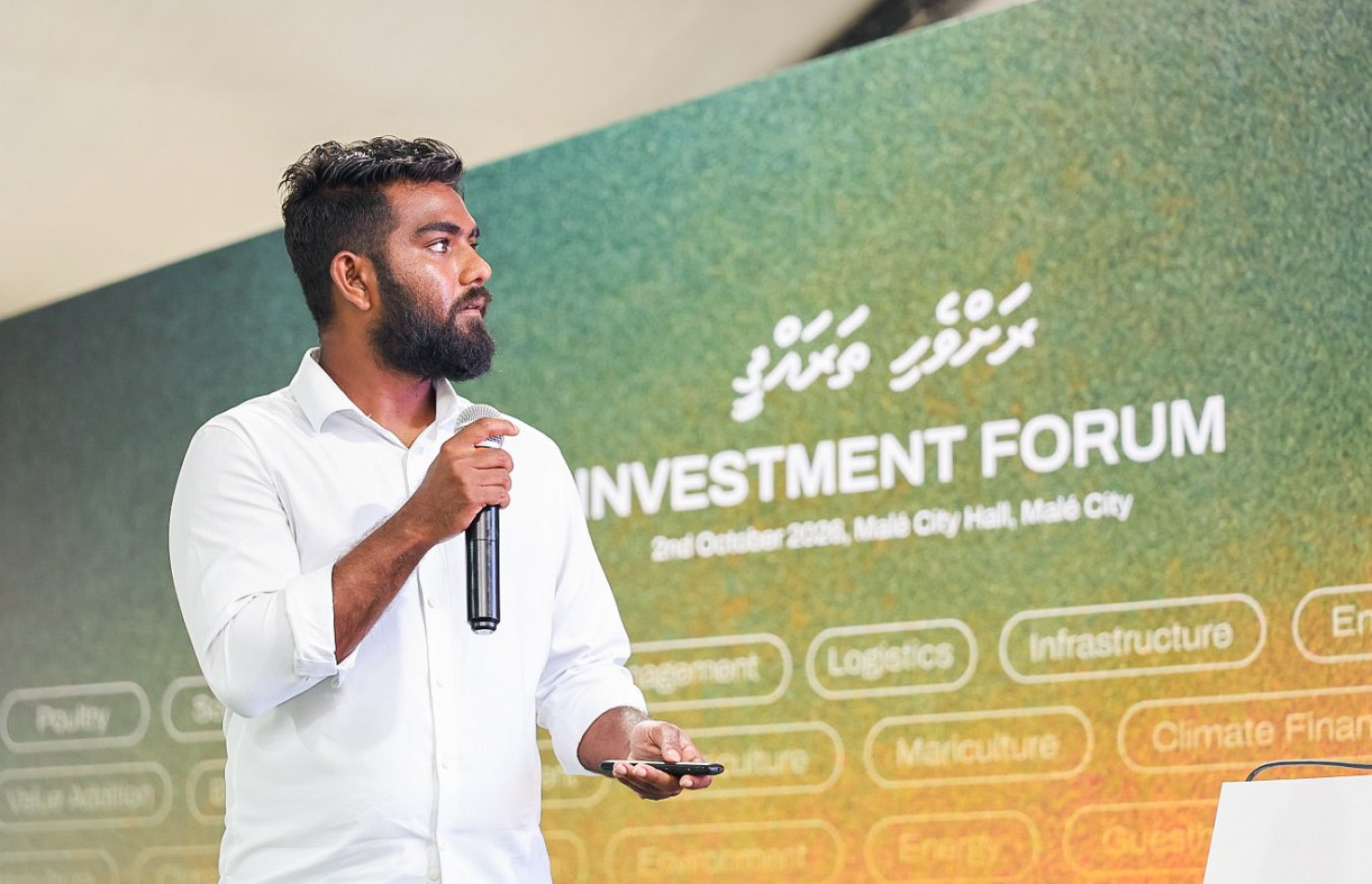
In the proposal submitted by the Blue Guide Foundation at the forum, it was stated that the project has been endorsed by the council and submitted to request government approval. Carbon financing can only be obtained after completing these stages and conducting scientific studies. Therefore, the Blue Guide Foundation requested investors' assistance in conducting marine and coral research.
"Over the next 10 years, identifying the changes to our island's trees and the activities conducted by scientists show us the true value present on the island," the foundation stated.
Regarding the carbon finance and wetland protection project planned for Fuvahmulah, the city's mayor, Ismail Rafeeq, stated that since 40 percent of Fuvahmulah is a green area, efforts have begun to cultivate varieties that efficiently store carbon.
"If Fuvahmulah's carbon credits are properly arranged, a good amount will enter the council," Ismail said.
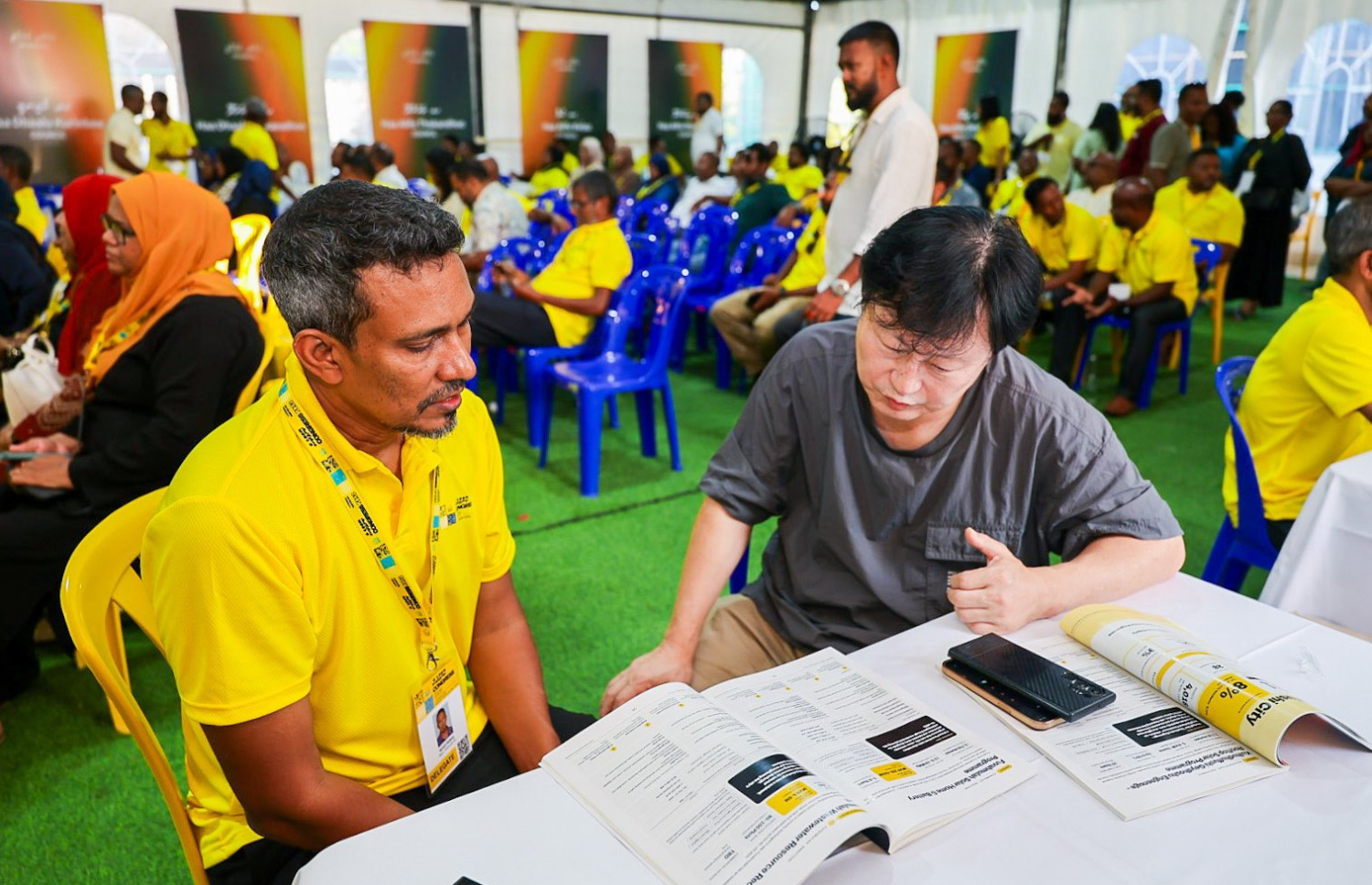
Councils Can Earn Large Revenues
Giving assurance that he will work to secure financing for these three projects, MDP Chairperson and former President Mohamed Nasheed stated that what needs to be done with the projects on the three islands is to determine how much carbon is being stored, obtain credits for it, and sell them in the international arena.
"This is a major business happening right now. It hasn't expanded widely yet, and this information and knowledge are not very abundant," Nasheed stated.
Nasheed estimates that if the project runs in Kanditheemu, an annual revenue between USD 75,000 and USD 100,000 can be generated. Nasheed highlighted that this achieves two things: protecting the island's natural environment while also generating income for the council.
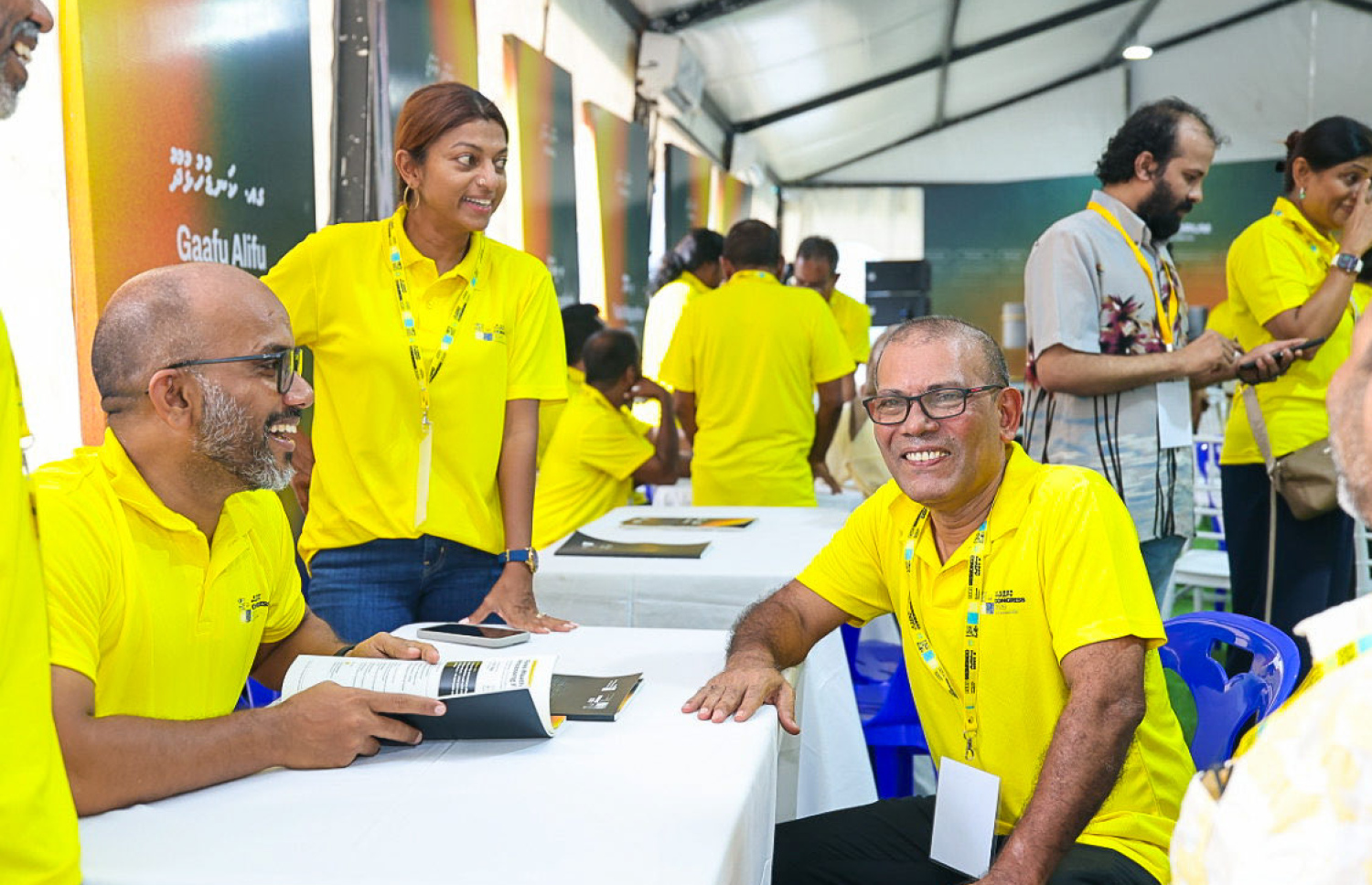
Nasheed estimates that 10 hectares of mangroves produce 5,000 tons of carbon credits. Therefore, Fuvahmulah's mangroves could produce 82,500 carbon credits annually. Nasheed pointed out that the city could then earn USD 4.9 million per year.
Looking at Addu, Nasheed stated that the city has the capacity to earn USD 6 million annually.
What is a Blue Carbon Project?
Such projects are environmental conservation initiatives implemented to naturally capture atmospheric carbon dioxide, safeguard, restore, and sustainably manage coastal and marine ecosystems.
These ecosystems include mangroves, seagrasses, lagoons, and wetlands. Unlike terrestrial forests which store large amounts of carbon above ground, blue carbon ecosystems can store massive amounts of carbon in their soils and sediment layers. If these ecosystems are destroyed or degraded, some of the stored carbon is released back into the atmosphere.
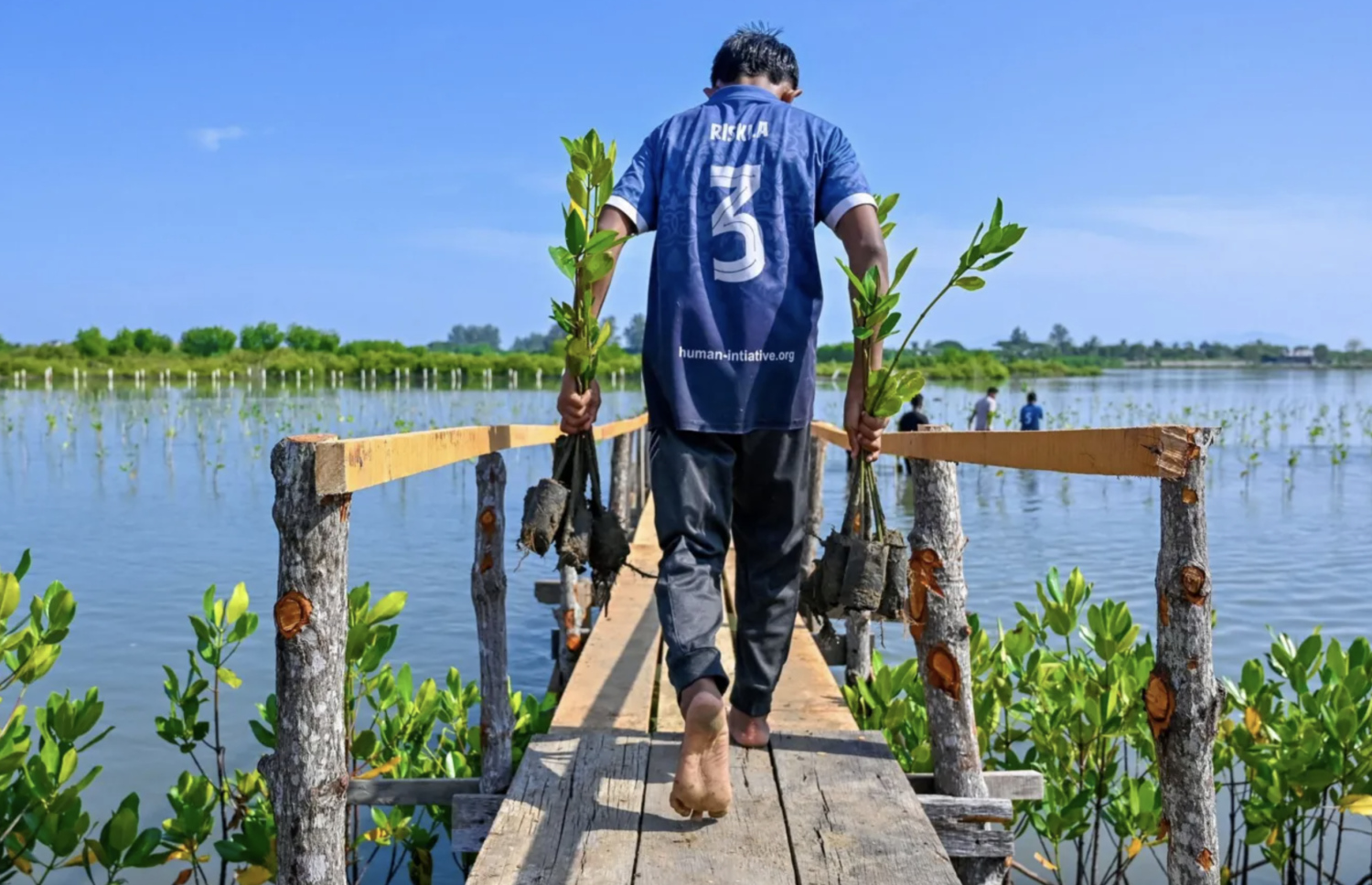
If blue carbon projects can prove that they meet the requirements of internationally recognized carbon standards and possess climate benefits, they are given the opportunity to generate "carbon credits."
A carbon credit generally represents an amount equivalent to one ton of carbon dioxide reduced, removed, or prevented from being emitted into the atmosphere through a specific project. Such credits can be sold to organizations wishing to support emission reduction projects.
The economic opportunities of blue carbon have increased international interest in these ecosystems. However, the actual amount of carbon that can be credited, the revenue generated from a project, and its long-term success depend on the ecosystem used, project rules and standards, market conditions, and the ability to prove genuine climate benefits.


