
The National Right to Information (RTI) Symposium, held from August 17 to 18 at the Manhattan Business Hotel in Malé, co-hosted by the Information Commissioner’s Office (ICO) and the United Nations Development Programme (UNDP) Maldives, the two-day event focused on bridging structural governance reforms with frontline implementation challenges. The symposium was funded through the European Union’s Accountability and Integrity Matters (AIM) Project, alongside UNDP Funding Windows supported by Denmark, Luxembourg, and the Republic of Korea.
The event brought together a broad coalition of state officials, civil society advocates, media professionals, and international partners to evaluate the trajectory of transparency and public access to information across the Maldives.
The symposium commenced with a keynote address by Swati Mehta, Regional Lead for Asia and the Pacific at the Open Government Partnership, preceding the official launch of the ICO Strategic Action Plan (2026–2031). Informed by findings from the 2025 Capacity Needs Assessment of the Commission, the five-year roadmap seeks to transition state institutions from reactive compliance toward a systemic model of "transparency by default."
Outlining the long-term vision of the commission, Information Commissioner Uz. Ahmed Ahid Rasheed highlighted the fundamental necessity of institutional openness in fostering public faith.
"My hope is that by 2031, every person, wherever they are in the Maldives, can ask for information from their government and receive it; that people know what this right is and how to use it; and that institutions genuinely understand that transparency is not a vulnerability; it is the foundation of public trust."
He further noted that the gathering "reflected the collective efforts of citizens, advocates and institutions involved in advancing the right to information."
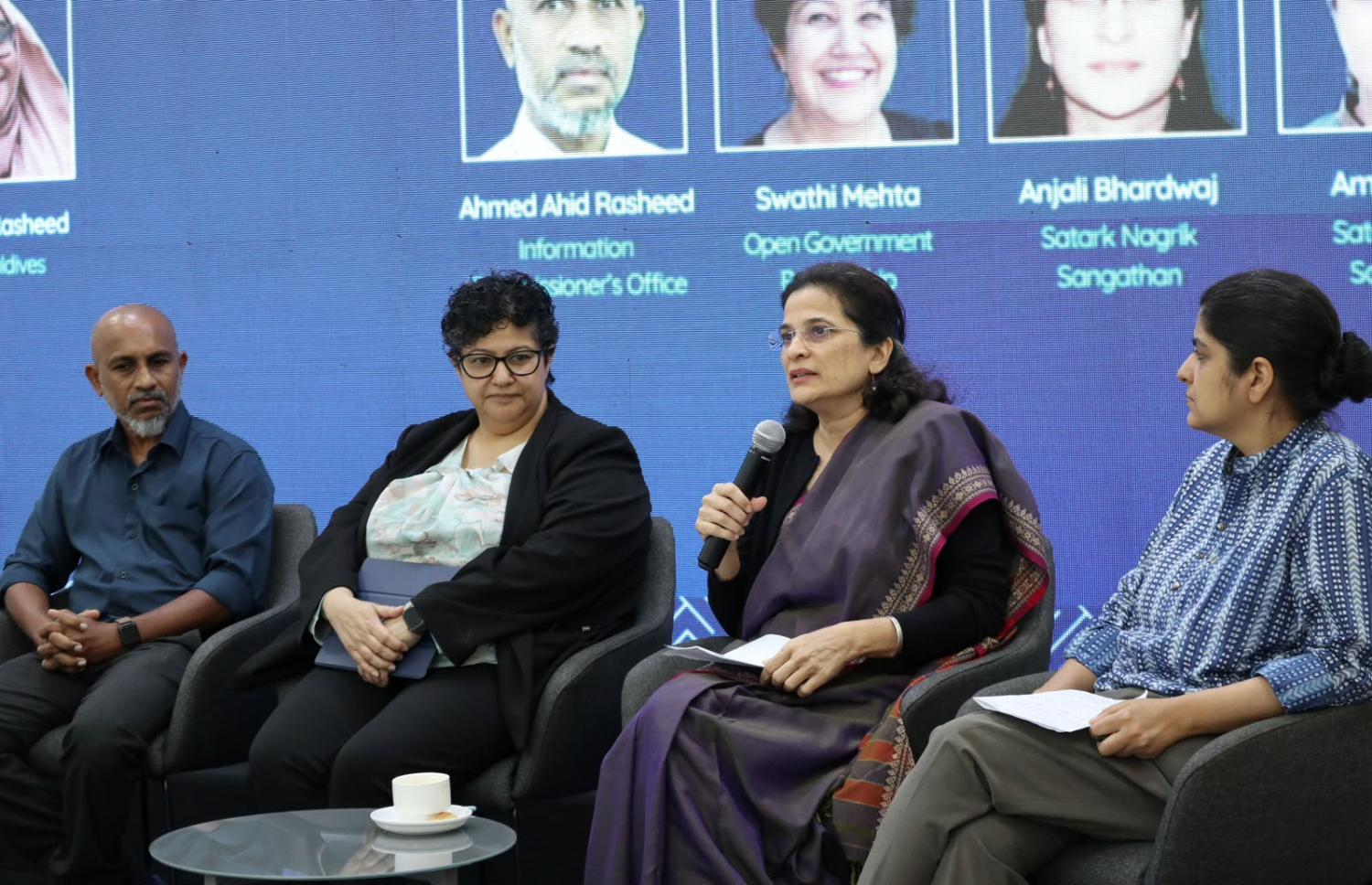
The agenda on Day 1 addressed key structural pillars across the public sector:
- Digital Transformation and Public Services: Presentations centered on "Maldives 2.0" initiatives, examining how digital policies, records management standards, and integrated administrative systems, such as the Mahoali Portal and Case Management System, support RTI compliance.
- State-Owned Enterprises (SOEs): Panel discussions analyzed governance standards and corporate compliance within SOEs, referencing key findings from the Corporate Governance Transparency Index.
- Local Governance and Front-line Implementation: Information Officers presented operational success stories and procedural hurdles, while discussions evaluated the impact of recent decentralization shifts on local council RTI compliance.
- Legislative Horizons: The afternoon sessions concluded with an assessment of ongoing progress toward drafting and establishing a dedicated Privacy and Personal Data Protection Act.
On Day 2 the focus shifted toward practical application, accessibility standards, and the lived experiences of information seekers. The morning session featured the formal launch of the RTI Training E-Modules on the Kiyeveni digital learning portal, developed to provide public authorities with structured training on proactive disclosures, processing protocols, and statutory exemptions.
To ensure accessibility, the resource incorporates Dhivehi audio descriptions, English subtitles, and sign language interpretation.Emphasizing the operational test of access laws, UNDP Resident Representative in the Maldives underscored the necessity of multi-stakeholder collaboration.
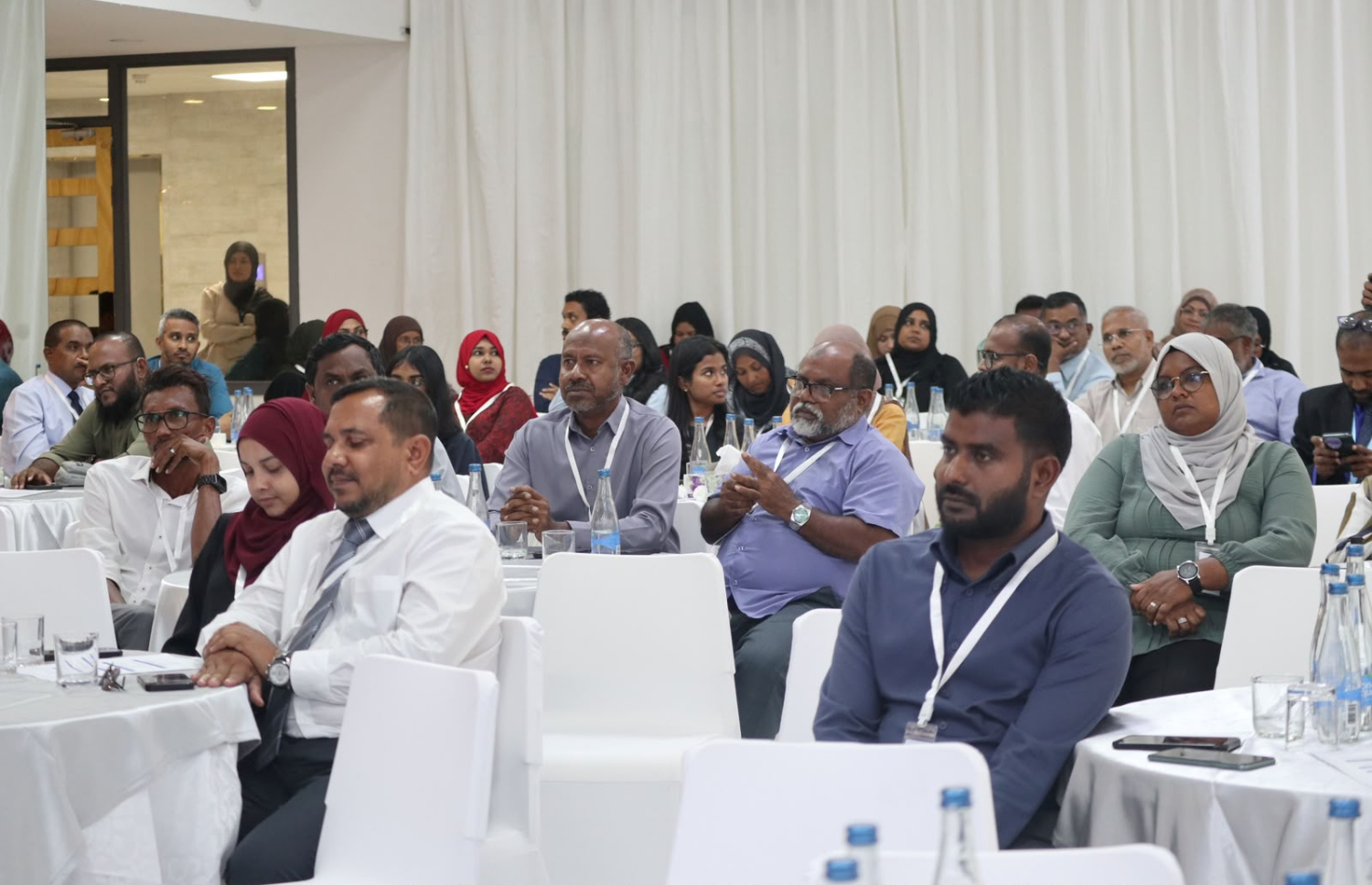
"The real test of transparency is not simply whether information is published. It is whether people can find it, understand it and use it. That requires strong institutions, supported Information Officers and citizens who know and can exercise their rights."
Key sessions on Day 2 addressed broader systemic and societal dimensions:
- International Best Practices: Regional experts detailed global RTI benchmarks and Open Government Challenges aimed at strengthening institutional accountability.
- Disability-Inclusive Access: Advocacy groups and officials identified specific accessibility barriers encountered by persons with disabilities, outlining concrete guidelines to make public documents universally accessible.
- Media and Civil Society Engagement: Representatives from news organizations and civil society groups detailed ongoing operational challenges in obtaining timely disclosures from public authorities.
- Citizen Case Studies: The symposium concluded with testimonials from individual information seekers, demonstrating the practical utility of the RTI Act in addressing community concerns and improving public oversight.
By aligning long-term strategic planning with digital infrastructure and multi-stakeholder dialogue, the National RTI Symposium reinforced the central role of information access in strengthening democratic accountability across the Maldives.


