
Former President Mohamed Nasheed has said the latest amendment to the Decentralisation Act could pave the way for a “coup d’état”.
While speaking as an honored guest at the ceremony marking the 60th anniversary of Thinadhoo's repopulation, Nasheed said that the United Kingdom (UK) and the Maldivian government held a discussion regarding the withdrawal of the British in Addu.
Nasheed, who holds an interest in historical research, said that one of the agreements was the introduction of a decentralized system in managing islands. This was made certain with the withdrawal of the British from Addu, and the election of atoll leaders when the issue of Huvadhoo was resolved.
According to Nasheed, the agreement established a system under which matters concerning atolls would be decided by leaders elected by residents of those atolls. He said the state subsequently violated that understanding made when introducing the democratic system.
"That violation was seen for 30 years during former President Maumoon Abdul Gayoom's government. We have seen that it was the residents of Thinadhoo who stood up for Maldives’ leadership system to be changed so that a government that runs based democratically on the citizens’ wishes, requests and opinions could be implemented,” Nasheed said.
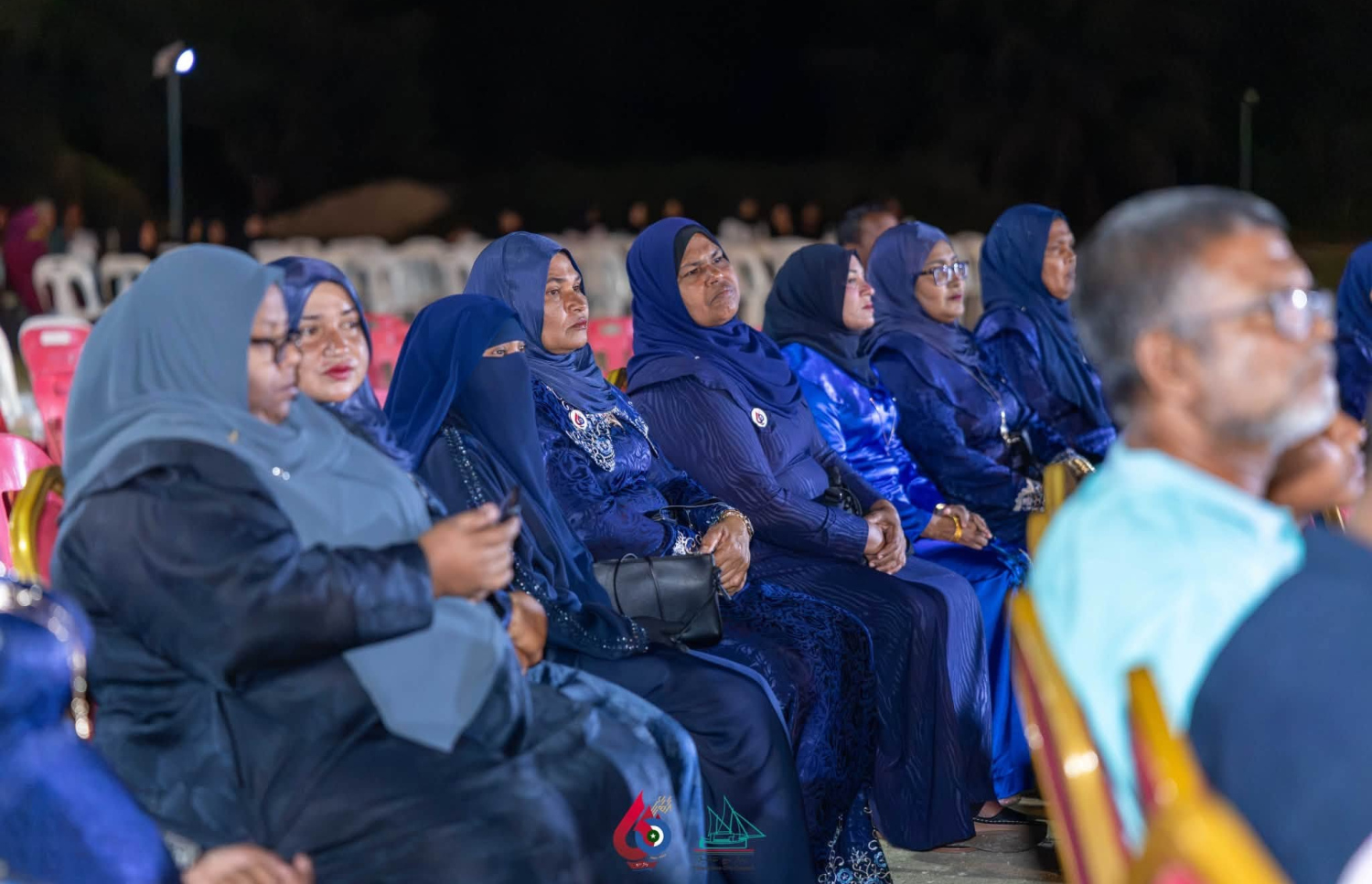
He went on to say the protest that took place due to a lack of a decentralized system resulted in the three atolls breaking away from the state, and that the efforts with Thinadhoo residents to introduce the system saw a democratic system be introduced.
He said protests over the lack of decentralized governance eventually led to three atolls breaking away from the state, while efforts involving Thinadhoo residents contributed to the establishment of a democratic system.
Nasheed said Thinadhoo’s continued development was rooted in that system and criticized the latest amendment to the Decentralisation Act, which allows land under an island’s jurisdiction to be taken if the Cabinet decides to do so.
He said that the amendment could pave the way for a “coup d’état”.
“Please think of the history of these islands when you take land from the hands of Thinadhoo residents, from the hands of Huvadhoo residents. Think about why these islands stood up and protested to change the government, and what kind of state they must have been in,” Nasheed said.
“The Huvadhoo issue is linked to a lack of a decentralized system and because of the central government being too involved in managing matters from Male',” he said.
Nasheed also said that the legal recognition of atolls had effectively been removed through amendments to the law.
“Maldives is an island nation consisting of atolls, but atolls have been legally abolished. There is no Huvadhoo atoll here, which is the largest atoll in the world. The atoll has been abolished because of an amendment to the Act,” he said.
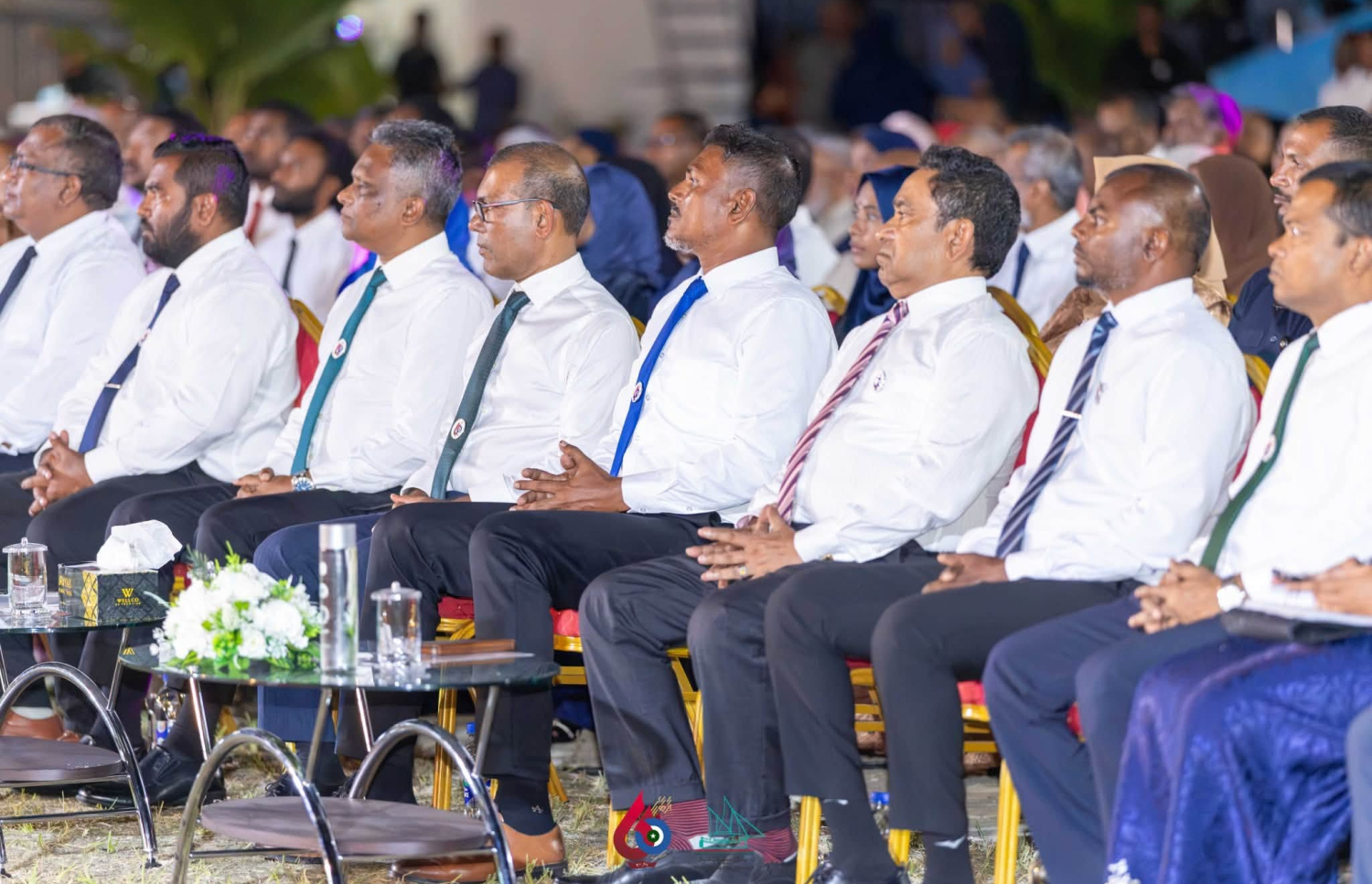
He continued by saying that no one would accept a system that allows the Cabinet to take land under an island’s jurisdiction at its discretion.
"It is being said that land under the jurisdiction of an island will be taken with the amendment to the act. It is the ministers telling the Parliament what should be done in the islands. That is not how it should be. The Maldivian people will not stand by while that happens," said Nasheed.
He said that the citizens will not allow the country to go backwards and that changes should not be brought about without the consent of its citizens.
Nasheed stated that while Thinadhoo aims for the future, finding ways to protect the country from climate and environmental changes need to be looked into. He said that planning around nature should not be forgotten.


