The council of Kulhudhuffushi City is preparing to launch a major renewable energy project with the aim of making electricity bills free for every household in the city.
This project, launching under the name "Geydhoshu Injeenu" (Neighborhood Powerhouse), was a promise made by the candidates who contested for the Kulhudhuffushi Council on behalf of the MDP in the last local council election. The decision has now been made to announce the project within the next 15 days or so.
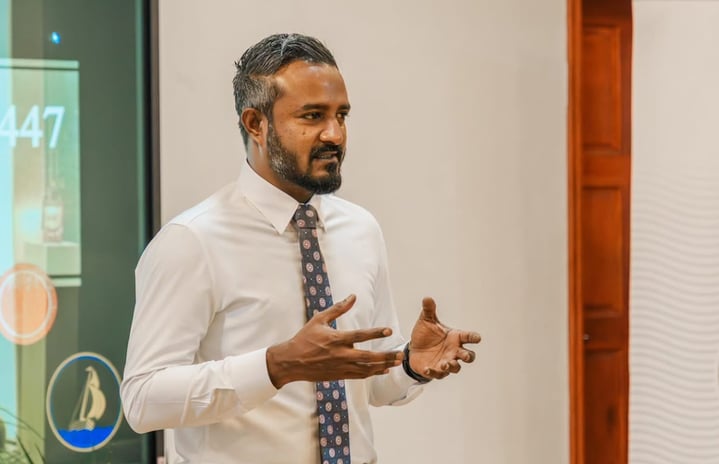
Speaking at a meeting held Thursday night to meet with the residents of Kulhudhuffushi, the city's Mayor Mohamed Athif stated that the council's goal is to halve the amount residents currently spend on electricity from the start.
"From the first day, reducing the bill of a home paying MVR 4,000 to MVR 2,000. And making it so that after four years, those homes will get free electricity. Designed in that manner, the information paper has now been completed," the Mayor said.
According to the Mayor, solar panels will be installed on homes through this project. He added that households will only have to pay for it divided into installments.
"Installing renewable energy in homes, that powerhouse could be just the home, or it could be a block. This has been designed to establish a hybrid system," Athif said.
He stated that tender will be opened very soon to find contractors for the work, and the work can be completed within a year.
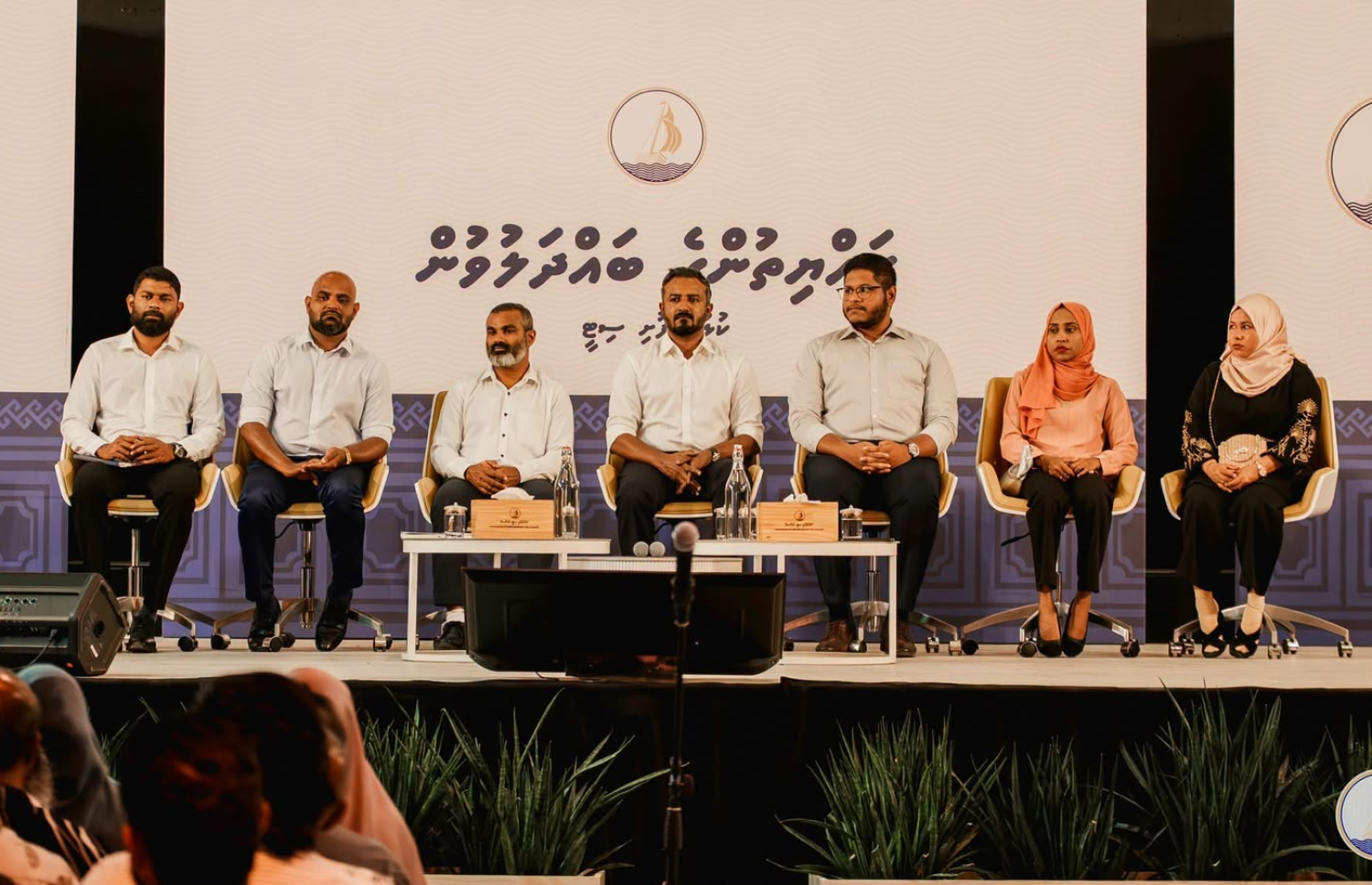
Providing further details of the project, Council Member Rilwan Mohamed stated that extensive efforts are being made to turn this project into a reality, and that the target is to make every home in Kulhudhuffushi a self-sustaining energy generation center.
"With this project, right from the first day, electricity bills of households will be reduced by half. Meaning, lowering it to MVR 1,500 for homes currently spending MVR 3,000 on electricity bills," Rilwan said.
In addition, the council member stated that the opportunity to generate income using renewable energy will be paved for every resident, and that this is a project designed entirely as an 'off-grid' system.
He said that plans are being made to proceed in the most beneficial way by evaluating whether batteries in this system will be installed individually in each home or at a block level, and that this is a sustainable, game-changing project that is environment-friendly and light on the citizens' pockets.
According to the latest census, there are more than 1,700 households in Kulhudhuffushi. While those households spend a significant amount on electricity, Fenaka receives a large income from the island.


