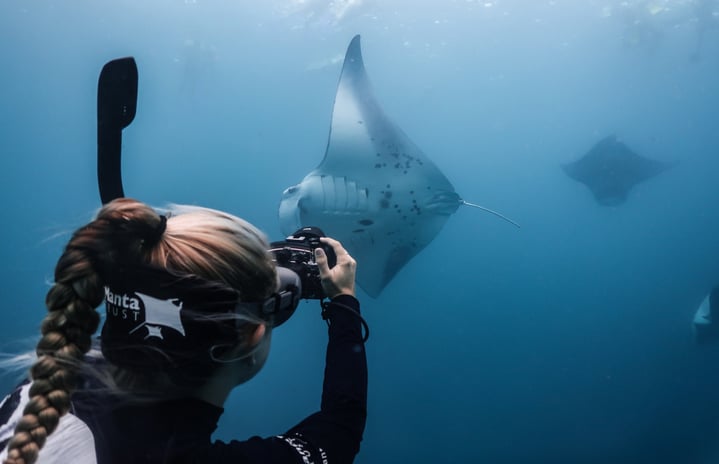
The Manta Trust and its flagship affiliate, the Maldives Manta Conservation Programme (MMCP), are inviting divers, snorkelers, underwater photographers, resorts and liveaboards to contribute to manta ray conservation through MantaBase, a global citizen science platform.
The initiative allows visitors and marine tourism operators to upload photographs of manta rays, helping researchers collect data on one of the world's most iconic marine species.
For more than two decades, the MMCP has built one of the world's largest manta ray photo-identification databases.
Maldives database now contains more than 100,000 photographed sightings and over 7,000 individually identified manta rays, making it one of the most extensive long-term marine wildlife datasets in the world.
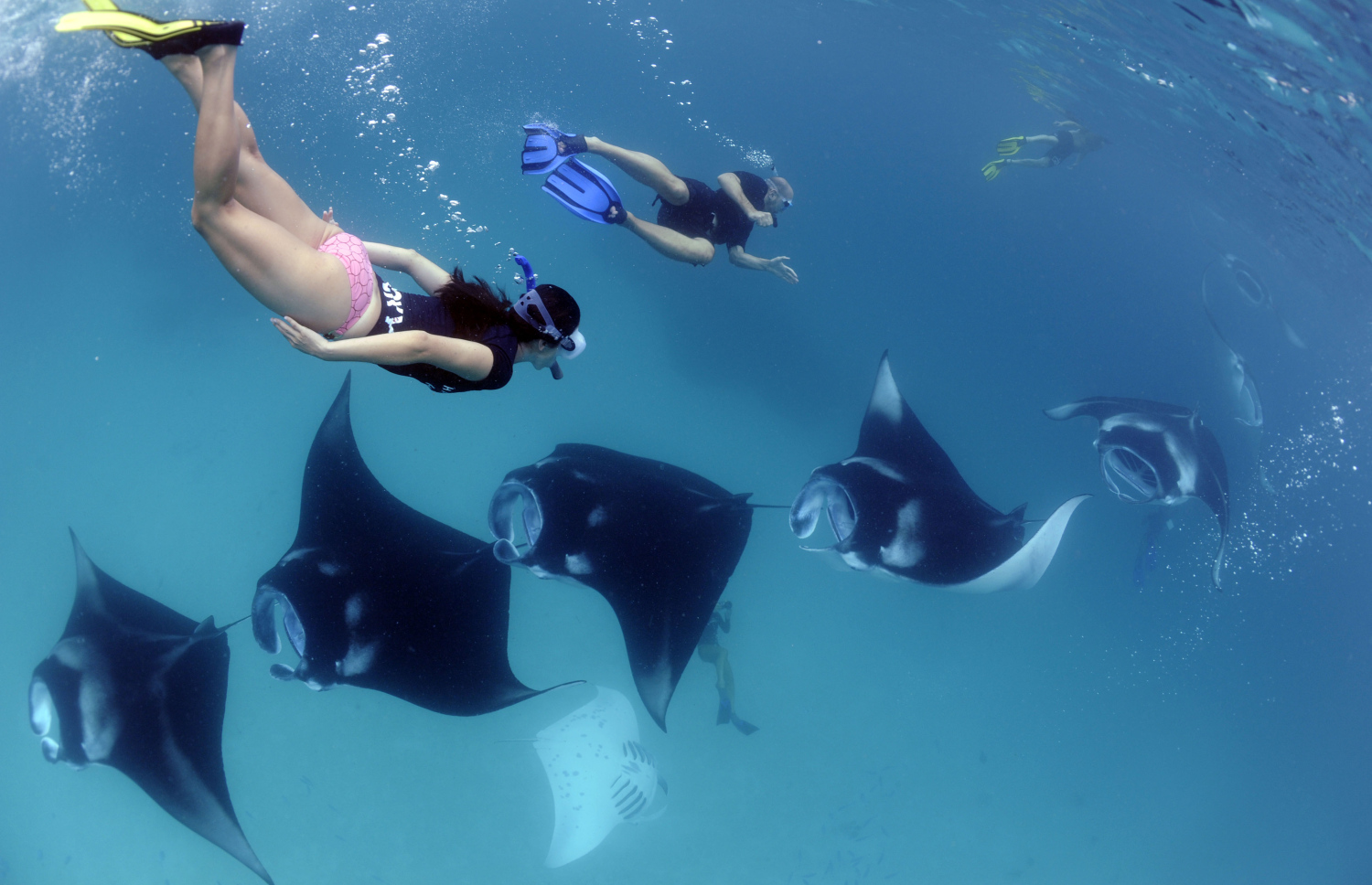
The database is now accessible through MantaBase, enabling anyone who encounters a manta ray in the Maldives to contribute to ongoing conservation research.
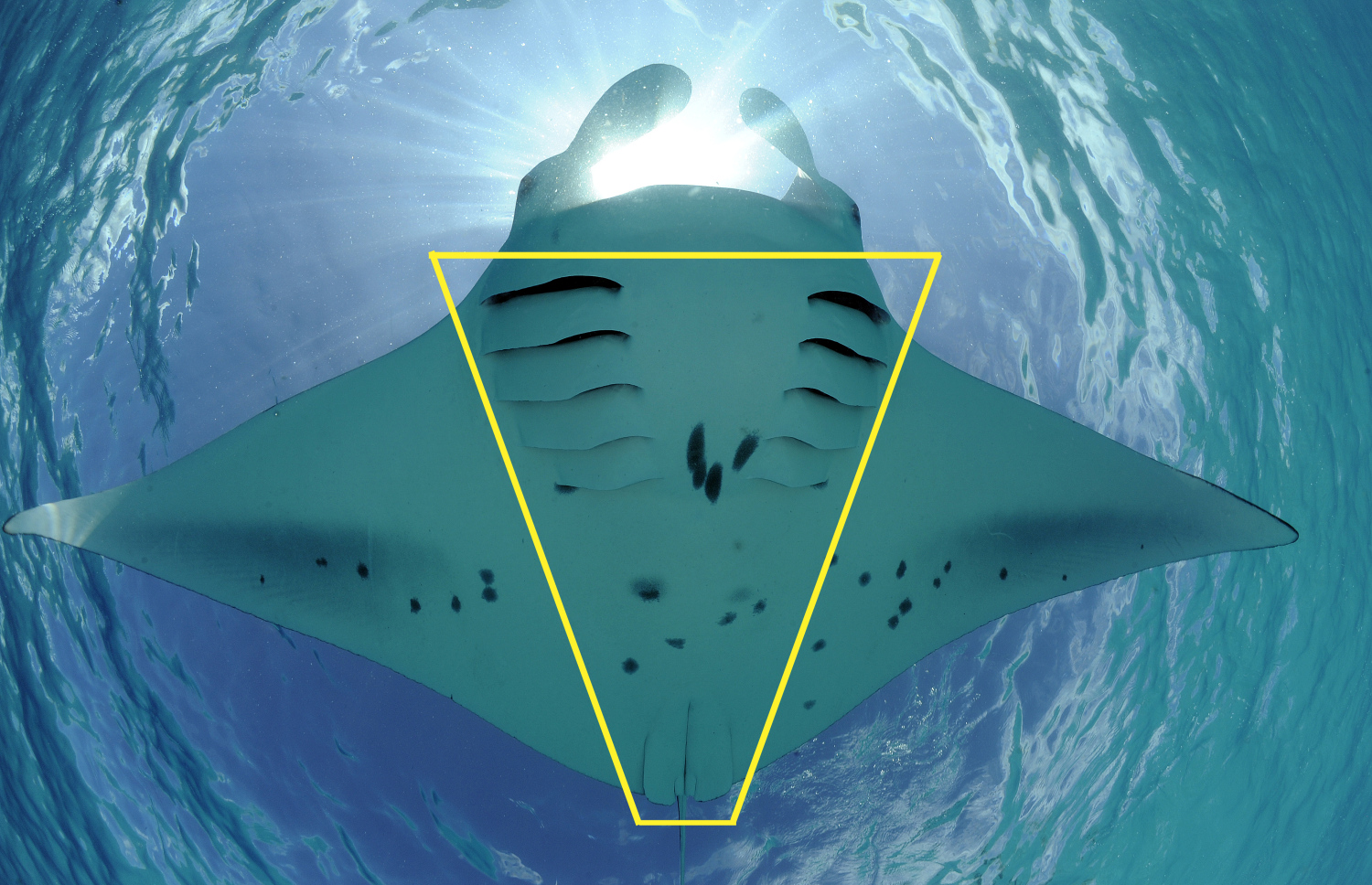
Each manta ray has a unique pattern of spots on its underside, similar to a human fingerprint. By uploading a photograph of this pattern, MantaBase's artificial intelligence-powered identification system, IDtheManta, can identify individual animals, determine whether they have been recorded previously and add new information to their sighting history.
Researchers use the data to study manta ray movements, population trends, habitat use and the effects of environmental change.
"Every photograph tells us something new," said Dr Guy Stevens, Chief Executive Officer and co-founder of the Manta Trust.
"The Maldives has become one of the most important places in the world for manta ray research because thousands of divers, guides, photographers and resorts have shared their sightings over many years. MantaBase allows anyone to become part of that conservation story."
He described MantaBase as more than a database, calling it "a community of ocean enthusiasts whose sightings, memberships and support are helping safeguard manta and devil rays for generations to come."
Over the past 20 years, the MMCP has worked with resorts, dive centres, liveaboards and local communities to study manta rays across the Maldives. The programme's research has identified key aggregation sites, improved understanding of manta behavior and migration, and contributed to the protection of important marine habitats.
Through MantaBase, divers and snorkelers can create a free account to upload sightings, identify manta rays they have encountered and maintain a personal digital logbook of their experiences.
Premium memberships offer additional features while supporting the Manta Trust's research, technology development and conservation programmes.
Dive centres, resorts and liveaboards can also register dedicated operator accounts, allowing them to track sightings linked to their organization, demonstrate their contribution to conservation and involve guests in citizen science initiatives.
Manta Trust said revenue from Premium memberships and operator accounts helps fund the continued development of MantaBase and supports global research and conservation efforts for manta and devil rays.
Manta Trust said the platform represents another step towards creating the world's largest connected database for manta and devil rays by bringing together conservation projects from around the world.
The trust encouraged visitors to upload photographs from every manta ray encounter, saying each submission contributes to a better understanding of the species and supports long-term conservation efforts.


