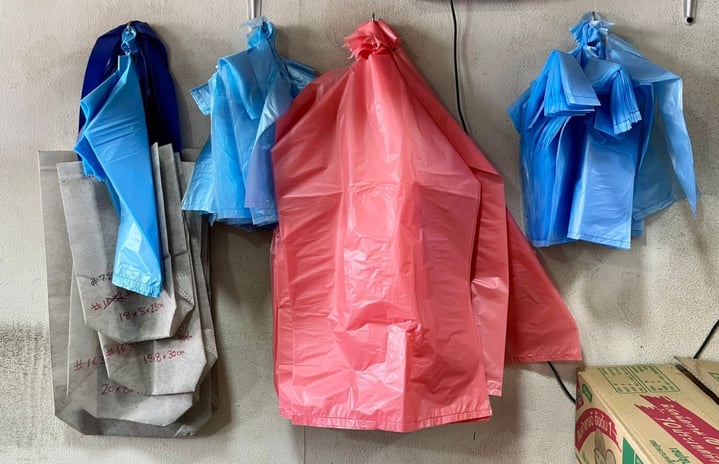
The government has drafted a regulation aimed at reducing the use of single-use plastics in the Maldives, with fines of up to MVR 100,000 for repeat violations.
The regulation was formulated by the Ministry of Environment under Article 31 of the Waste Management Act and is designed to enforce restrictions on the manufacture, import and sale of single-use plastic products prohibited under presidential decrees issued pursuant to the Export-Import Act.
Implementation and enforcement of the regulation will be carried out by the ministry, the environmental regulatory authority and Maldives Customs Service.
Under the proposed rules, the ministry must prepare and publish a national phase-out plan within 12 months of the regulation coming into force. The plan is intended to guide the gradual reduction of environmentally harmful single-use plastics by 2030.
The regulation requires the phase-out plan to be developed in consultation with relevant stakeholders and to consider both the environmental and economic impacts of reducing single-use plastics. It must also assess the availability of suitable alternatives to products targeted for phase-out.
In addition, the ministry is required to conduct public awareness programmes on the reasons for banning single-use plastics, available alternatives and upcoming implementation dates.
The regulation exempts certain categories of single-use plastics from the restrictions, including items imported for use in duty-free operations on international flights and single-use plastic products carried by departing passengers for use in airport duty-free areas.
IT also sets out detailed standards for measuring plastic bags that fall under existing bans. It specifies how the length, width and thickness of bags should be measured to determine compliance during import and sale.
According to the regulation, the thickness of a plastic bag must be calculated based on the average thickness of one side of the bag, measured at four separate points. Handles, corners and edges are excluded from the measurement. The thickness must be determined using a specialized device capable of measuring in microns.
The environmental authority and its designated officers will have powers to inspect manufacturers, importers and retailers, examine their premises and take enforcement action based on inspection findings.
The regulation adopts a graduated enforcement approach. A first violation will result in a warning. Repeat offenders may be fined up to MVR 150 per prohibited item imported, manufactured or placed on the market.
However, the total fine imposed for a violation cannot exceed MVR 100,000.


