
The managing director of the State Pharmaceutical Company, Dr. Shah Mahir, stated today that the shortage of medicine is not a problem that occurred overnight, but rather the result of a prolonged failure to adequately address the issue as it grew more severe.
During a meeting held today by the Parliament’s SOE Committee with relevant authorities to address the persisting medicine shortage, Shah, who previously headed the MFDA, emphasized that the nationwide issue did not arise instantly. He noted that the public began feeling the burden once the problem escalated due to insufficient efforts to resolve it, eventually causing "cracks in the system."
"We have now decided on how to move forward by finding a solution for this," Shah said.
Summary of Shah’s Statements:
- There is no way to know which medicines are currently available in the Maldives.
- Due to the small population, pharmaceutical manufacturers lack interest, making it difficult to source the required quantities for the Maldives.
- The private sector controls 70 percent of the medicine market, while STO holds only 30 percent.
Shah mentioned that it is difficult to obtain information on where specific medicines are stocked. As a solution, he announced the introduction of an ERP system to monitor the supply chain, which will allow real-time tracking of medicine availability in pharmacies. Once this system is fully operational, it will be easier to forecast the country's medicinal needs in advance, enabling bulk forecasting and procurement.

Additionally, Shah stressed the importance of the government taking control of the medicine market.
"Just as rice, sugar, and flour prices are controlled in the Maldives, since medicine is also an essential product, we can only do this by shaping it such that we can control this market in line with the government's latest decision to make medicine and its quantities available," Shah said.
"This does not mean doing it in a way that leaves no room for the private sector. The long-term plan should be to work with the private sector, knowing in advance the medicines they bring, understanding the quantities they import, and doing it in a way that they too can be relied upon."
The Managing Director of Aasandha Company, Aminath Zeeniya, stated that 60 percent of the heavy spending on the health sector goes to pharmacies. However, she noted that even within the Aasandha scheme, the issue of medicine unavailability has become severe, leading to frequent complaints from the public.
Zeeniya explained that Aasandha follows the MFDA's Approved Drug List (ADL). She pointed out that while patients can obtain medicines on this list without out-of-pocket expenses, it has been observed that the ADL is often not properly consulted when pharmacies are registered. She added that when pharmacies apply for empanelment with Aasandha, the company checks if basic medicines are in stock, which often leads to "difficulties from the pharmacies."
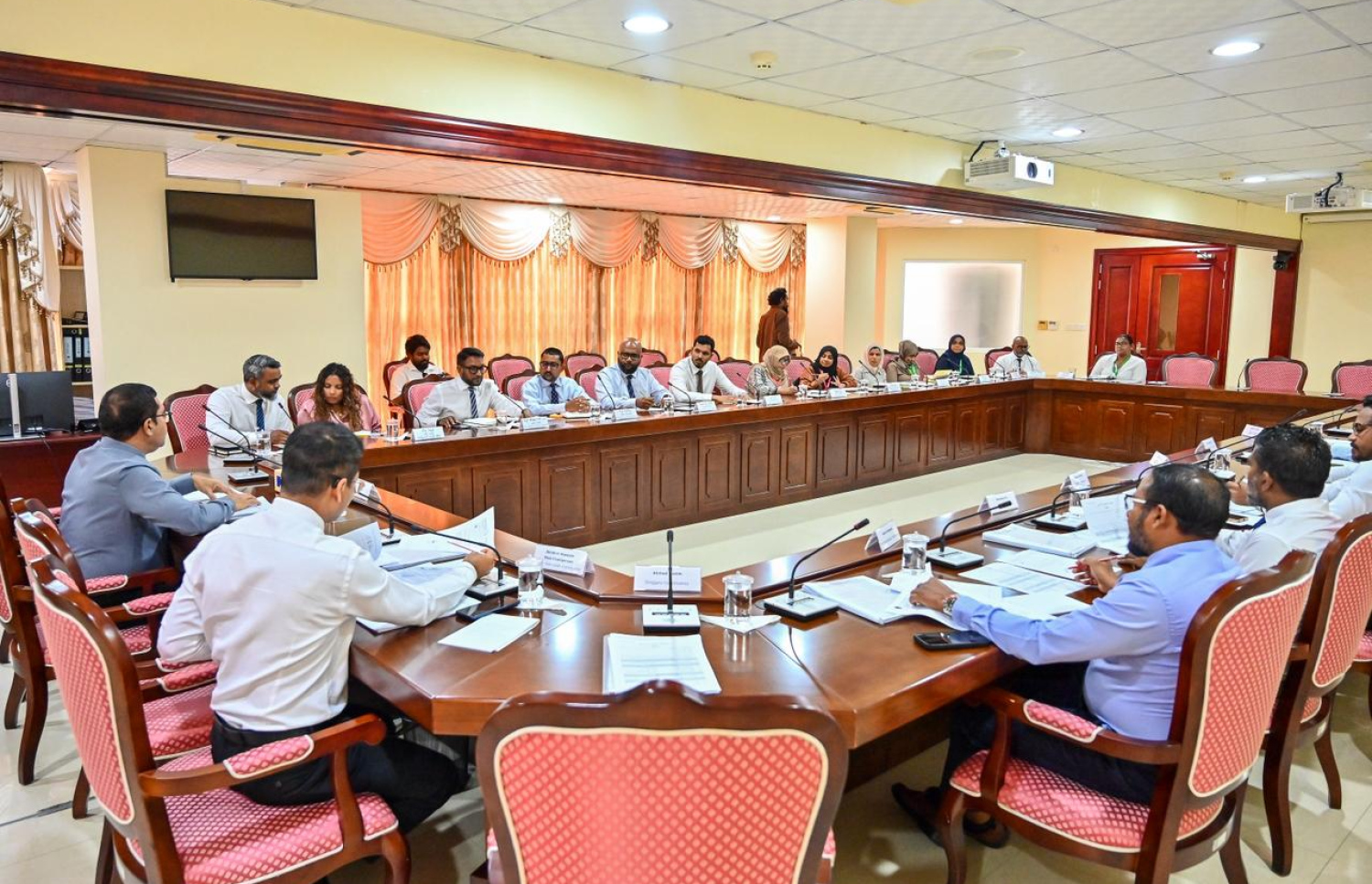
"We take action as much as we can; empanelment can only happen if minimum medicines are available," Zeeniya said.
Efforts were made by the government last year to resolve the medicine issue, including the introduction of prescribing medicines by their generic names. However, Zeeniya noted that this has not worked effectively due to increased complaints that generic prescriptions lead to the dispensing of low-quality medicine. She emphasized, however, that only high-quality medicines are registered on the ADL.
High profits, limited bulk procurement, and no MRP
Under the Health Services Act, a Maximum Retail Price (MRP) for medicine must be established. Although the previous government allowed time for this, the MRP was never implemented due to concerns from pharmacies. Additionally, a bulk procurement system was initiated in collaboration with the UNDP and the Ministry of Finance.
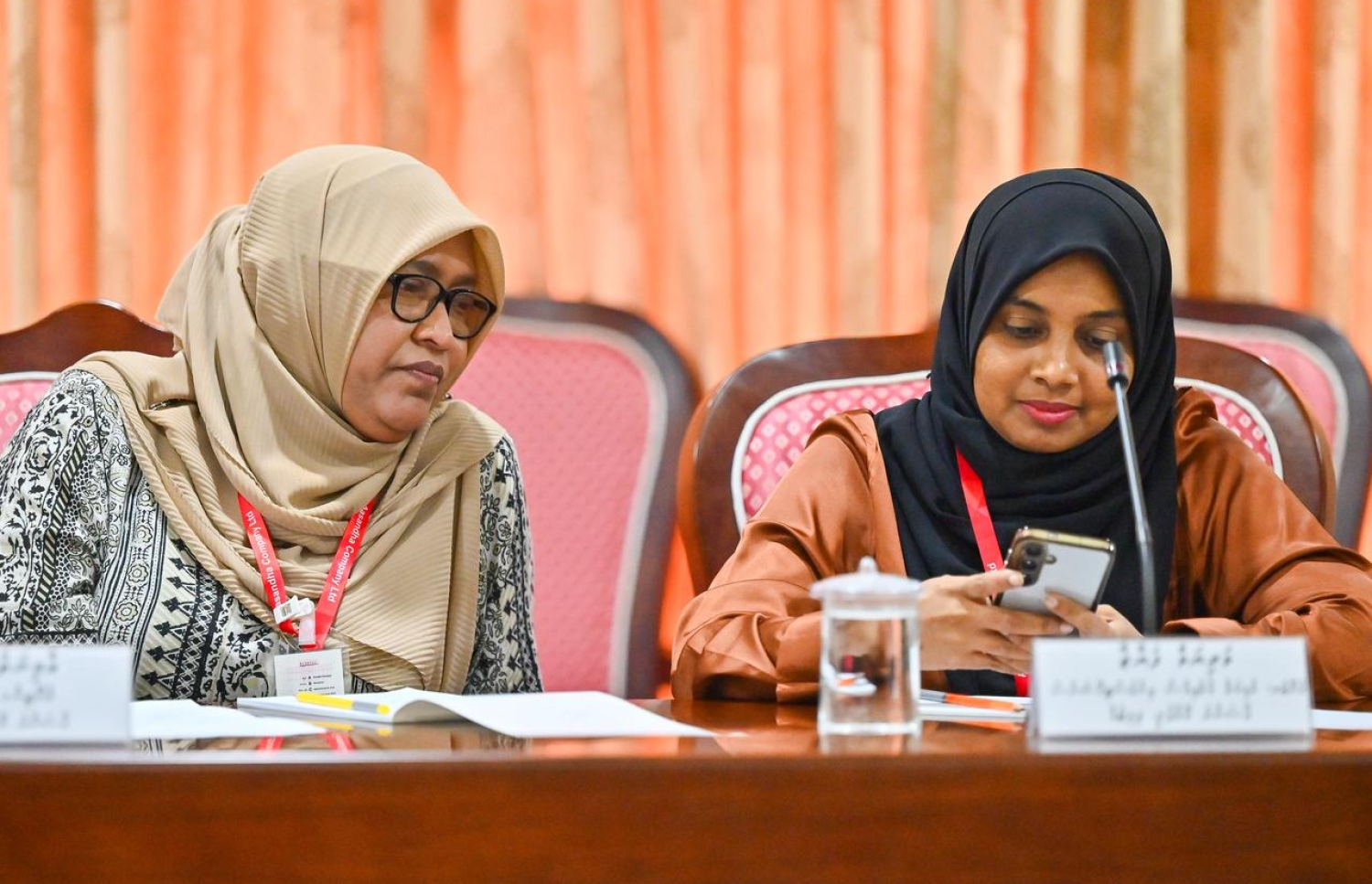
Zeeniya noted that two years ago, profit margins on medicines were as high as 500–600 percent, and bulk procurement was introduced as a solution. However, she stated that only a very small number of medicines have been brought in through bulk procurement so far. She raised the question of what the true underlying cause of the shortage is, noting that while over 800 pharmacies are empaneled with Aasandha and more than 3,000 medicines are registered on the ADL.
"But, people still cannot get medicine," she said.
Mariyam Fayaza, Manager of Aasandha’s Medical Investigation Section, stated that 25 types of medicine are currently provided under the bulk procurement system, and since these are obtained at lower costs, they can be dispensed more affordably.
She noted that while they allow a three-month window for revising prices and registering related medicines, challenges arise because the country currently lacks a set MRP. This makes setting rates difficult as there is no established wholesale rate, leading to challenges particularly from the private sector.
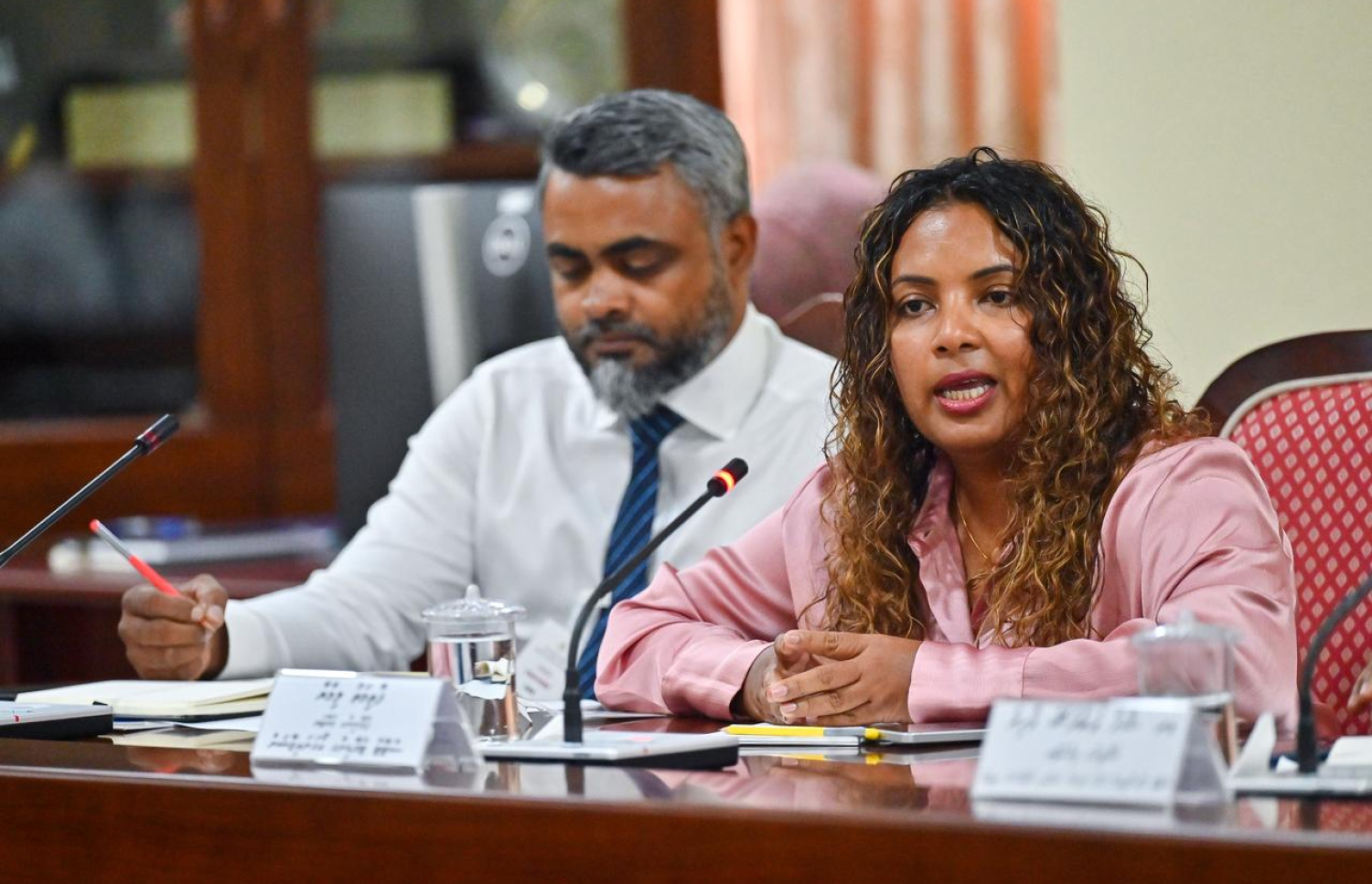
Fathimath Limya, Planning Manager of STO, the state company that has historically imported medicine, stated that while STO’s head office can see real-time stock levels across its pharmacies and has a system to transfer stock between islands, doctors have no platform to view this availability.
She noted that while 62 parties are registered to import medicine and over 4,000 are on the ADL, only 1,300 medicines are actually brought into the country with complete documentation.
She added that while MFDA changes have allowed STO to bring in 2,000 medicines with fewer documents, the long-term sustainability of such temporary solutions remains unclear.


