
A large proportion of corals planted in Kaafu atoll Rasfari lagoon have died due to coral bleaching, according to the latest annual report of the Rasfari Restoration Project.
Environmental Protection Agency (EPA) referred to in the report as the Environmental Regulatory Authority (ERA) said the 2024 bleaching event killed most of the corals planted under the restoration initiative. As a result, the project shifted its focus last year to replanting coral fragments, strengthening monitoring systems and maintaining the coral nursery.
Last year marked the second year of the five year restoration programme.
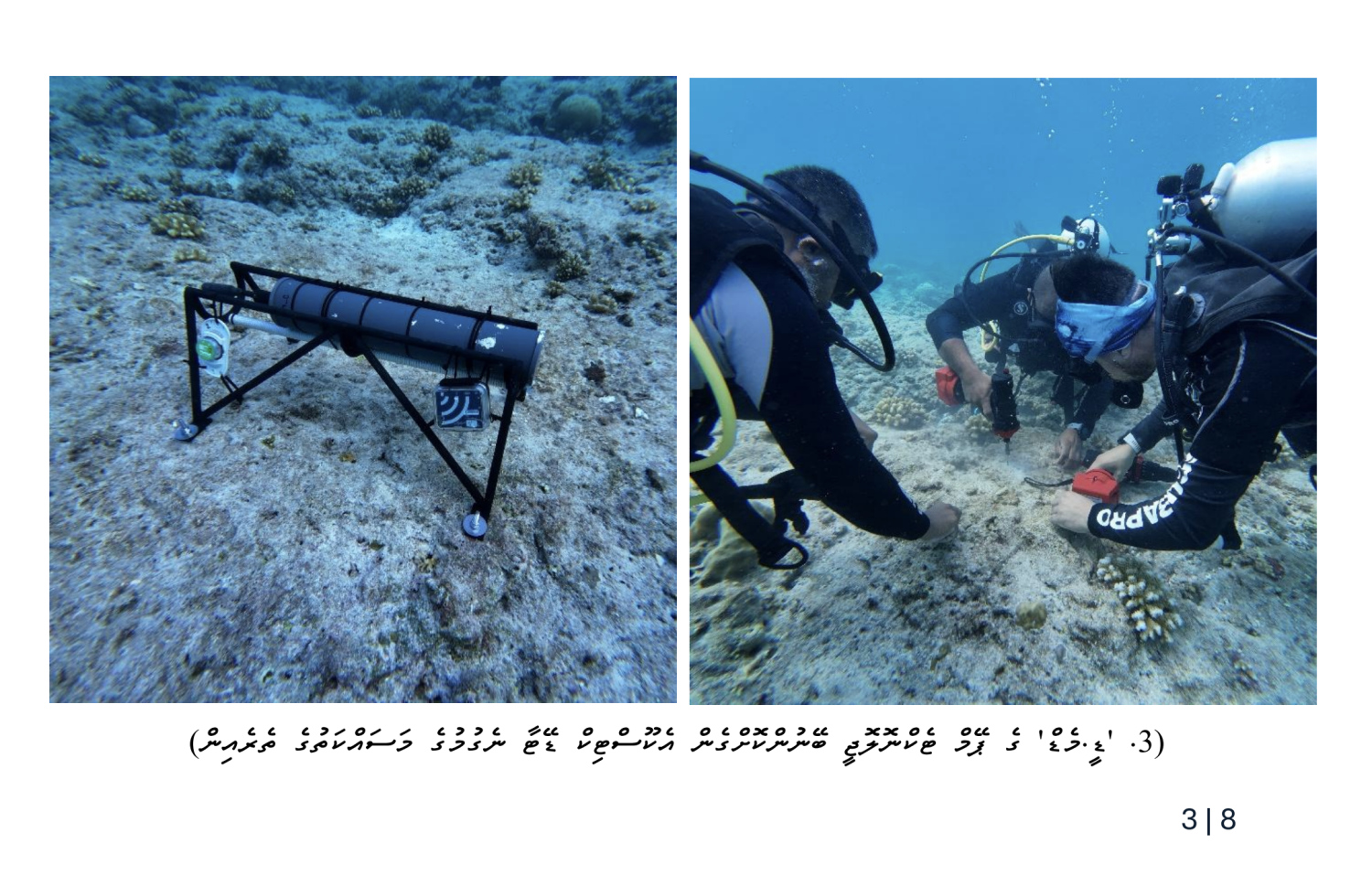
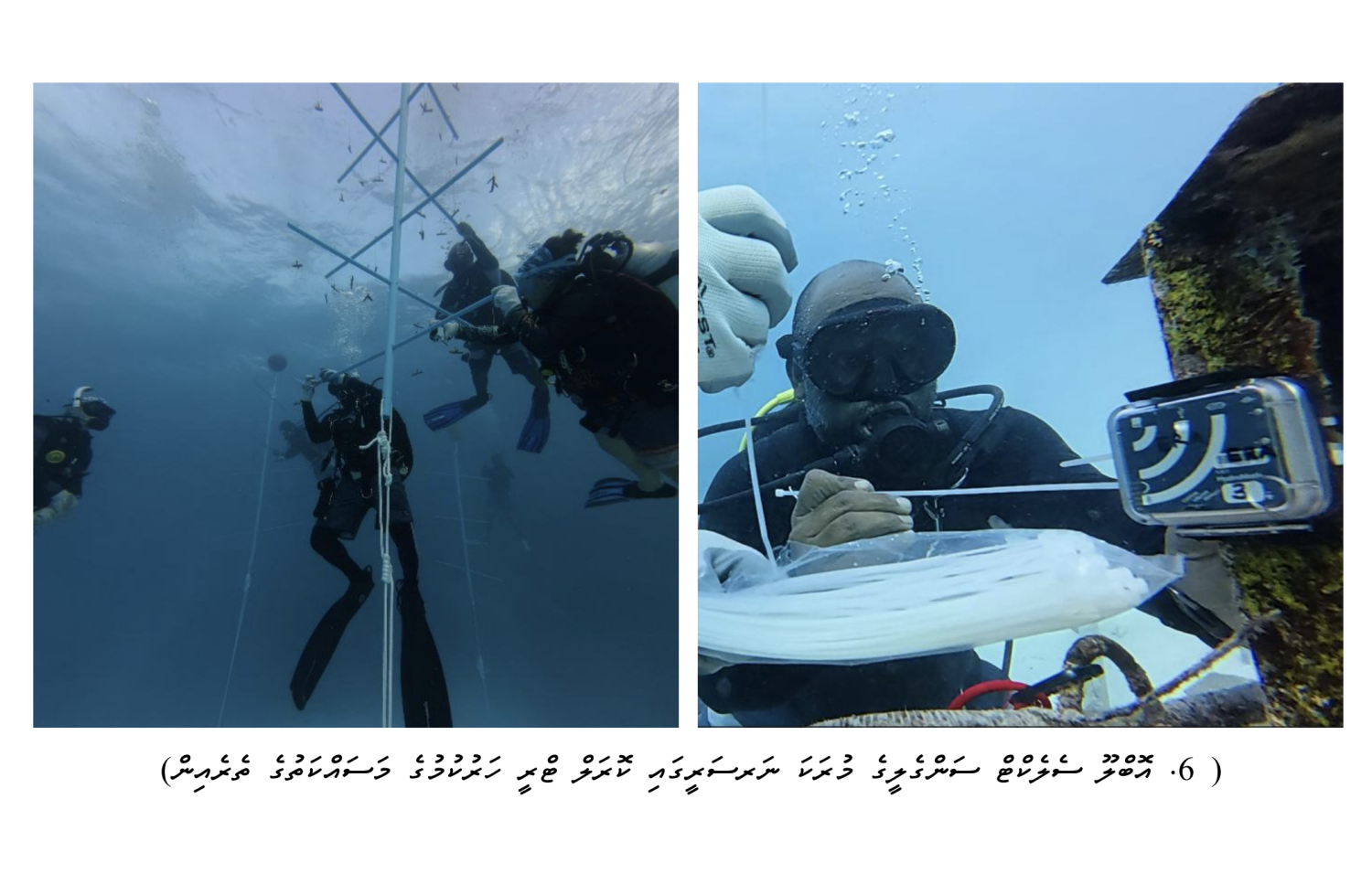
According to the report, 2,800 coral fragments were fastened to metal frames in the nursery for conditioning and cultivation. In total, more than 3,000 fragments were maintained for conditioning. A further 1,600 coral fragments were out planted to reef sites in the lagoon.
Long-term monitoring sites were established in affected areas of Rasfari lagoon and within restoration zones using updated methodologies. The sites are intended to track the health of planted corals and assess long-term environmental changes in the lagoon.
Two control sites were also set up to measure natural coral growth rates in degraded reef areas. The purpose of these control sites is to compare natural recovery processes with active restoration efforts under the project. Temperature loggers have been installed at the sites to monitor reef health, and data collection is ongoing, the report said.
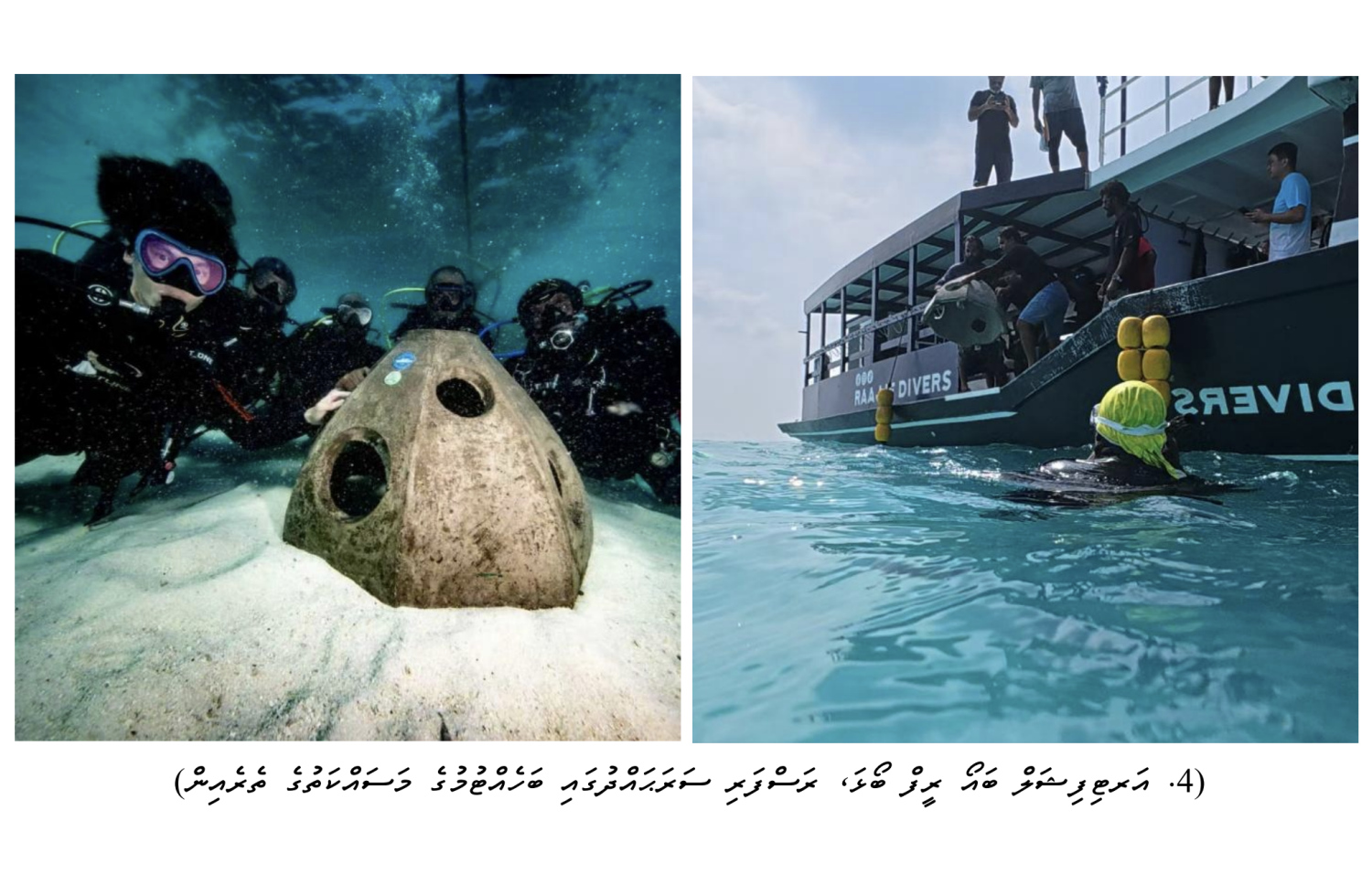
The EPA launched the five-year coral restoration project on 3 November 2023 in the government-protected Rasfari lagoon in Male' atoll.
The initiative was funded through compensation recovered after the Panama-registered vessel Navio Amarillis ran aground on 18 August 2021 while en route from Tuticorin, India, to South Africa. An EPA assessment found the grounding caused severe damage to 8,867 square metres of reef, killing coral and other marine life.
Following the assessment, the vessel’s owner was initially ordered to pay MVR 893 million in fines and compensation. The amount was later reduced. To date, the owner has paid MVR 100 million in fines and MVR 154 million in compensation, which funded the rehabilitation project.
It marked the largest environmental fine recovered under the Environment Act and the first time such funds were explicitly allocated for ecological restoration.
Years of bleaching
Coral bleaching occurs when rising sea temperatures stress coral, causing them to expel the symbiotic algae (zooxanthellae) that live within their tissues. Without the algae, corals lose their color and turn white. Prolonged bleaching can lead to coral death.
Global sea temperatures have reached record highs over the past two years, triggering widespread bleaching events, including across the Maldives.
The first major bleaching event recorded in the Maldives occurred in 1998. The most severe since then was in 2016, when the Maldives Marine Research Institute reported that 73% of shallow reefs experienced bleaching.
Scientists warn that climate change and rising ocean temperatures remain the primary drivers of bleaching. Local stressors including lagoon dredging and land reclamation can compound the damage and hinder reef recovery.


