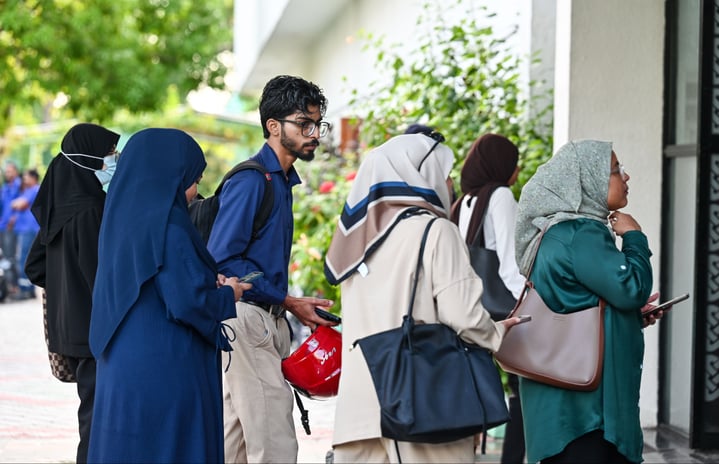
President Dr. Mohamed Muizzu stated last night that the Civil Service Commission (CSC) has announced that they will once again begin observing the 2010 regulation for the civil service dress code.
The code that was set in the 2010 regulation for the civil service dress code has not been implemented. Instead, the code that was set in 2014 is currently being used.
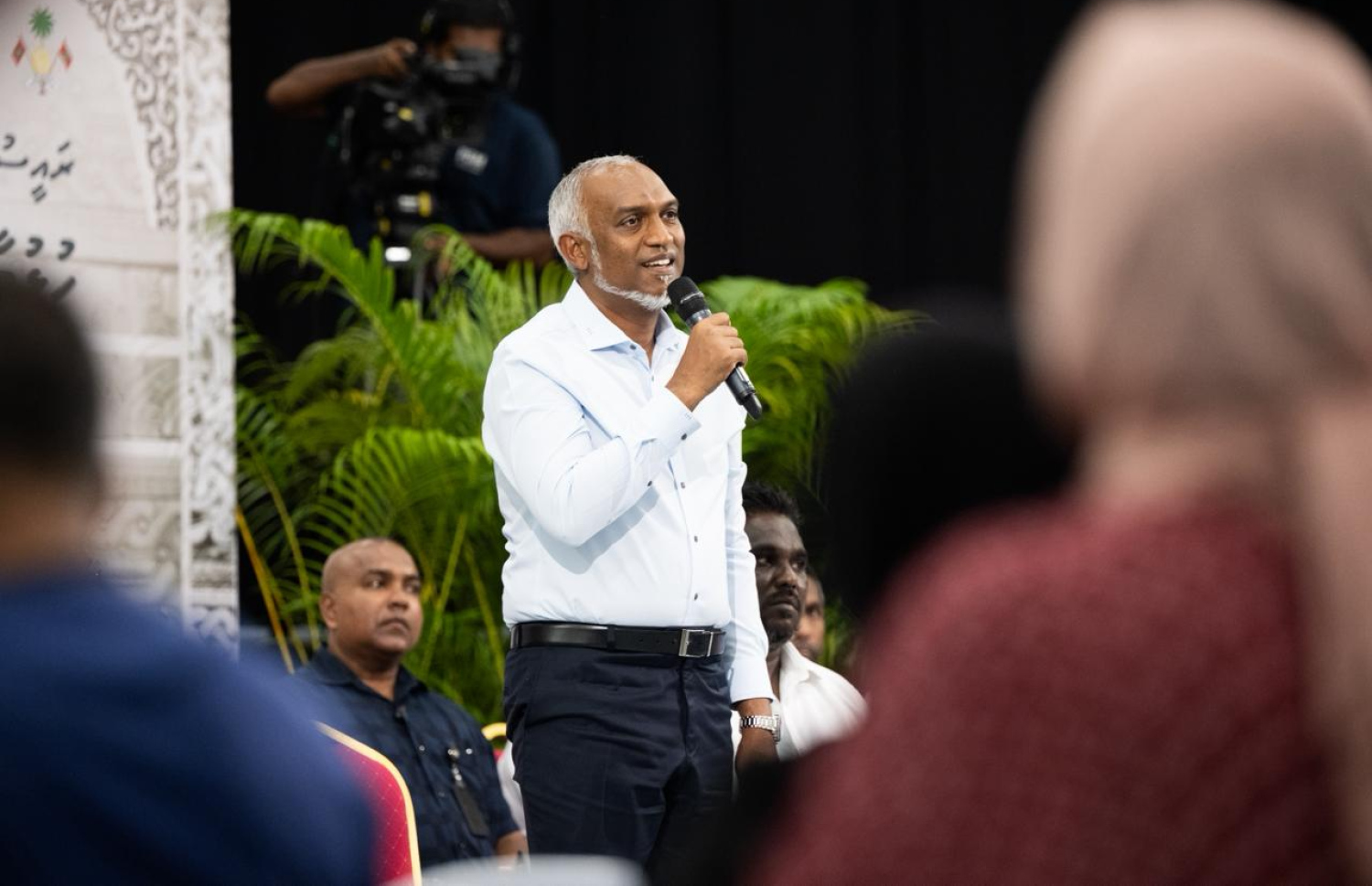
During the Hulhumale' Phase 1 community meeting last night held at Rehendhi School, President Muizzu stated that citizens have complained that the civil servant dress code has fallen behind the social dress code.
The President said that Maldives Civil Service Regulation had a very good code regarding civil servant attire. However, he said that it has been changed due to certain reasons and that the CSC has said that they will begin observing the previous code.
"By the power granted to me under the constitution, I have informed the CSC to restore the regulation to what it once was, to gazette it and to observe it," said the President.
President Muizzu went on to say that he hopes the CSC will publicize the changes soon.
As per the CSC's 2014 Civil Service Regulation which began being observed in that same year, "Civil Service employees shall report to work in appropriate attire and maintain cleanliness, keep hair and beard well-maintained and act within the moral standards accepted by society, during official and unofficial working hours and shall be dressed in a manner where the status of the employee and office is maintained in front of the public receiving their services. In addition, the attire of the employee shall not, due to the nature of the services that the employee provides, be one that hinders the employee from providing the assigned services."
The regulation also outlines attire and items not permitted during official working hours, which states the following:
- Attire with unacceptable foul words, language, drawings, cartoons and photographs.
- Flimsy see-through attire.
- Jeans of any type or colour.
- Short or long pants with showy muti-pockets (attached everywhere or embossed pockets (including tights))
- Flip flops, tennis, jogging shoes and half-shoes.
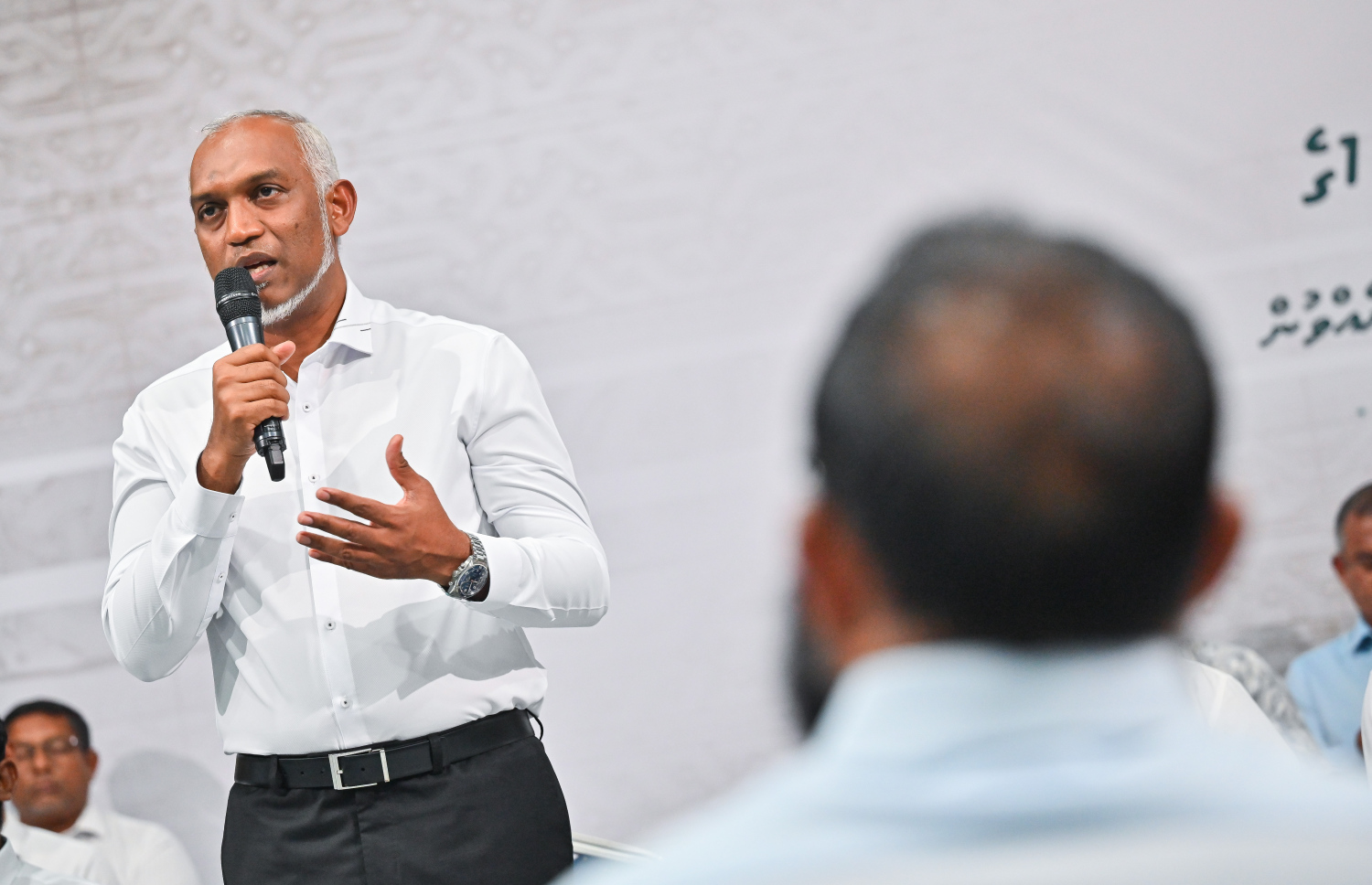
The 2010 Civil Service Regulation states that, "Since all services of the Civil Service is one which has to be accountable, and in a situation where an employee has to be recognized and identified related to being accountable, employees of the Civil Service shall be dressed to a level where they can be identified and recognized by another, during working hours."
The 2010 regulation also outlines the work that needs to be done in certain attire, how they should dress for special occasions, how attire for uniformed employees should be, women's attire, pants, trousers, suits, suit pants, the neckline of a dress, how the arms should be, length of the attire, the top of the attire, formal shirt, jackets, shoes, support service employee attire, accessories, makeup and hair colors.
The former regulation also outlined how men should dress as well. The regulation also states that having their attire abide by the dress code fits into an employee's ethics and that if anyone is in violation of it, corrective action would be taken against it.


