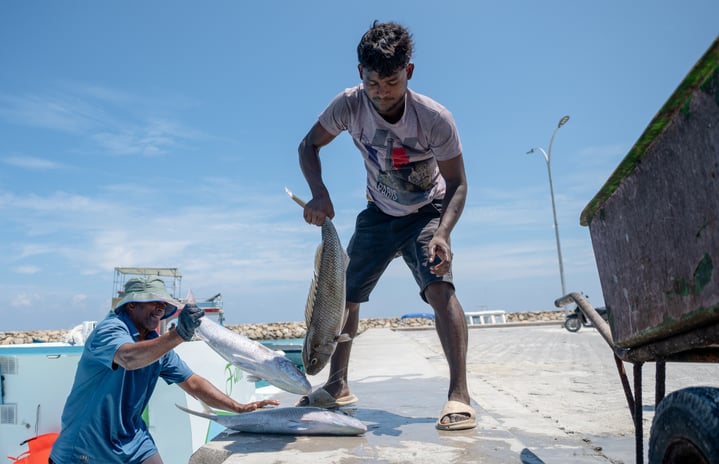
After spending about a week out at sea fishing, Abdul Haadhee had come to his home island, Lh. Naifaru, to sell the remaining catch after weighing and selling the bulk of his fish at Felivaru – state-owned fish-processing and canning hub located nearby the island.
We met him at the harbor of this fishing island, renowned for its many skilled master fishermen, just as he had finished unloading his boat and was preparing to head back out to sea at sunset.
Following a period of low catches, schools of fish are finally beginning to surface again, prompting almost every fishing vessel in Naifaru to set sail. While schools of fish are present both inside and outside the atoll, overall catch volumes remain low due to a severe scarcity of baitfish.
Before he departed, I asked Haadhee to explain what was happening in the fishing industry, given Naifaru’s rich fishing history. Intrigued, he invited me aboard the boat for the interview. As he remarked that he could list countless reasons for the decline in fishing, his deep concern over the issue was evident.
Settling comfortably into a joali (traditional woven chair) atop the boat’s cabin, he began his story.
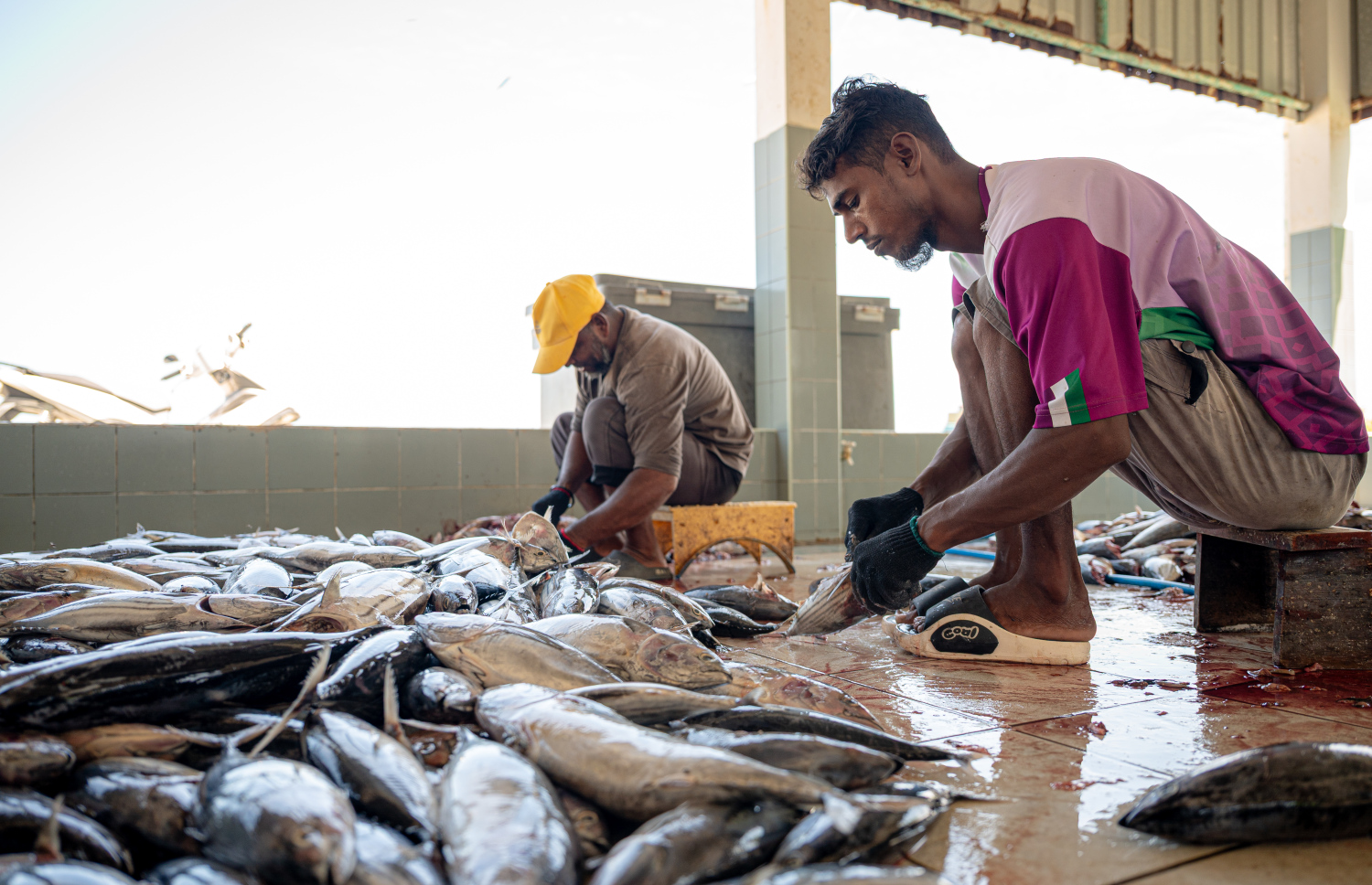
In the twenty-five years Haadhee has spent as a fisherman, he has never seen the industry hit such a severe slump. According to Haadhee, a boat captain (keyolhu), who fishes aboard an Addu Atoll fishing vessel, pole-and-line fishing has declined sharply due to a severe drop in baitfish populations.
"Take Male’ (Kaafu) Atoll, for example. From olden times up until about five years ago, it was a place teeming with baitfish. You could always find some kind of bait there. But over the past five years, baitfishing has been on a steady decline," said Haadhee, who travels across all atolls of the Maldives to fish.
He believes that one of the primary reasons for the decline in the baitfish population is the destruction of reefs caused by severe coral bleaching, which has been exacerbated by the rise in land reclamation projects. Land has been reclaimed across numerous islands to address land scarcity and for infrastructural developments such as building airports.
Male’ Atoll, home to the country's capital city, has seen the highest concentration of land reclamation projects in the Maldives to date. According to a study assessing the environmental and socio-economic impacts of land reclamation in the Maldives, half of the 4,000 hectares of land reclaimed nationwide between 2000 and 2024 is located in Male’ Atoll.
However, because baitfish have also become scarce in atolls untouched by land reclamation, fishermen say the crisis is heavily tied to climate change as well.
"It has been two or three years now since we've been able to properly catch bait. Honestly, at this point, I even have no idea what is happening anymore," Haadhee said.
Driven by climate change, warming ocean temperatures have put both reef ecosystems and tuna populations at risk. With fish products accounting for roughly 96 percent of the Maldives' exports, extreme marine heatwaves pose a major threat to the survival of the industry.
Forced to Travel Further for Bait Amid Rising Costs
Fishermen say that having to travel long distances just to find baitfish is driving up their operational expenses. Some vessels now burn 6 to 7 barrels of fuel per day solely on bait-hunting trips. At a time when market fuel prices are surging, this has become an added financial burden that fishermen are forced to bear.
While a liter of diesel cost MVR 13.92 (USD 0.90) at the beginning of the year, the price has since jumped by 26 percent to MVR 17.54 (USD 1.14).
Based on the state fisheries company MIFCO’s current purchase rate of MVR 23 (USD 1.49) per kilogram for skipjack tuna, a boat burning 6 to 7 drums of fuel at MVR 17.54 (USD 1.14) per liter must catch between roughly 915 kg and 1,068 kg of skipjack just to break even on fuel costs alone.
The livelihoods of the entire families of the twenty or so crew members working alongside Haadhee depend solely on fishing income. Consequently, fluctuating fuel prices and poor catches directly hit the earnings of fishing households.
Home to a population of around 5,000, Naifaru operates roughly ten fishing vessels, and dozens of families still earn their living by boiling and drying fish, as well as making rihaakuru (traditional tuna paste).
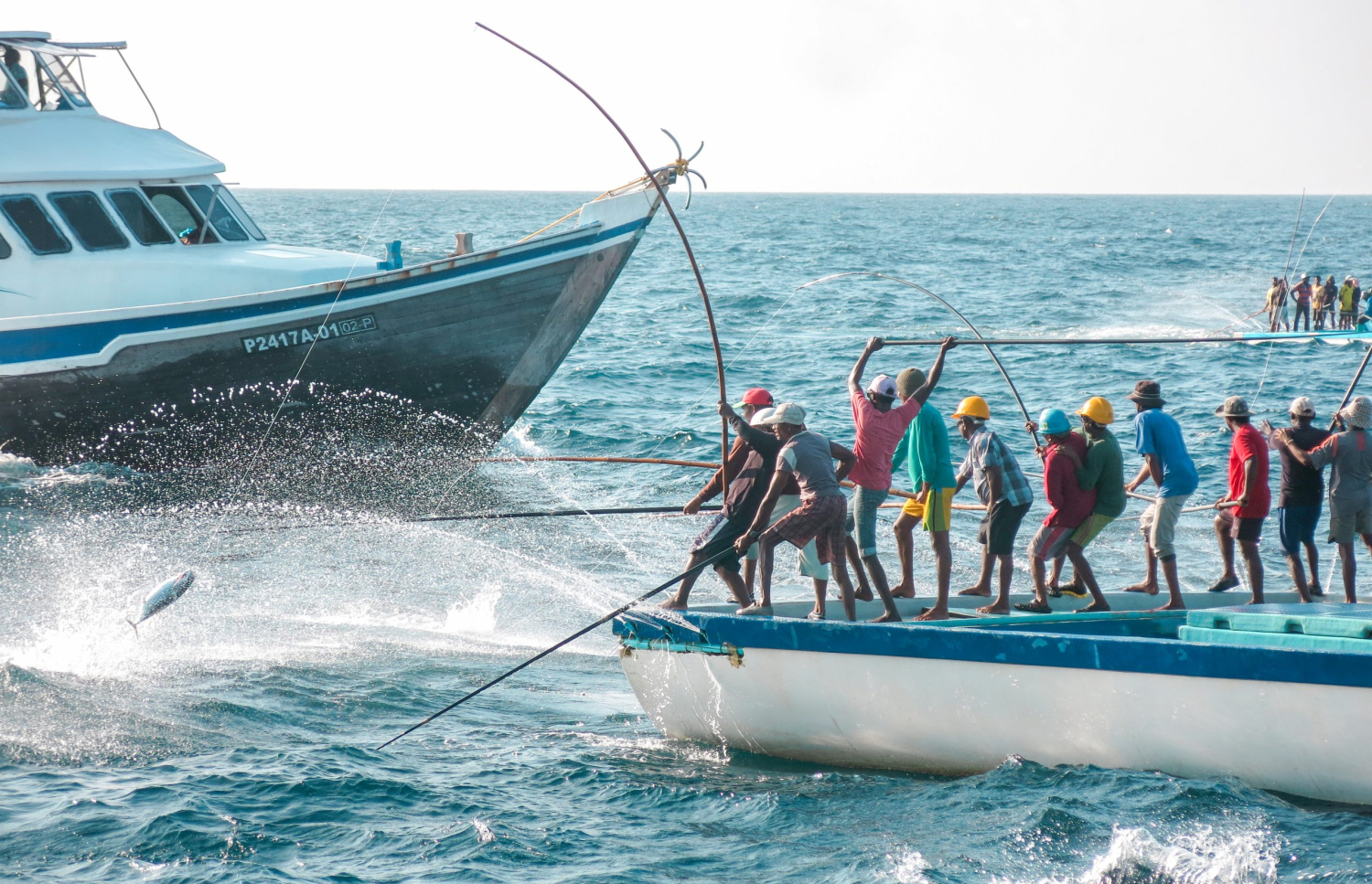
Earlier this year, following a spike in global fuel prices, MIFCO initially reduced its fish purchasing rates. However, under a floating price mechanism introduced in June, the company has raised its purchasing price six consecutive times so far this year.
Although skipjack tuna was bought at MVR 17 (USD 1.10) per kilogram when fuel prices first surged earlier in the year, it is currently being purchased at MVR 23 (USD 1.49) per kilogram.
Ali Niyaz, a Naifaru fisherman who dives to catch bait, noted that baitfish were readily available near the island prior to the start of Naifaru's land reclamation project earlier this year. However, since reclamation began, bait has completely vanished from both the immediate vicinity and the wider atoll, forcing boats to travel great distances to find it.
According to Niyaz, the only places in the Maldives currently yielding any decent amount of bait are Vaavu Atoll and Raa Atoll.
"Fishermen from the far south travel all the way up to Vaavu Atoll to collect bait and then head back down to fish, while fishermen from the north rely on Raa Atoll," Niyaz explained.
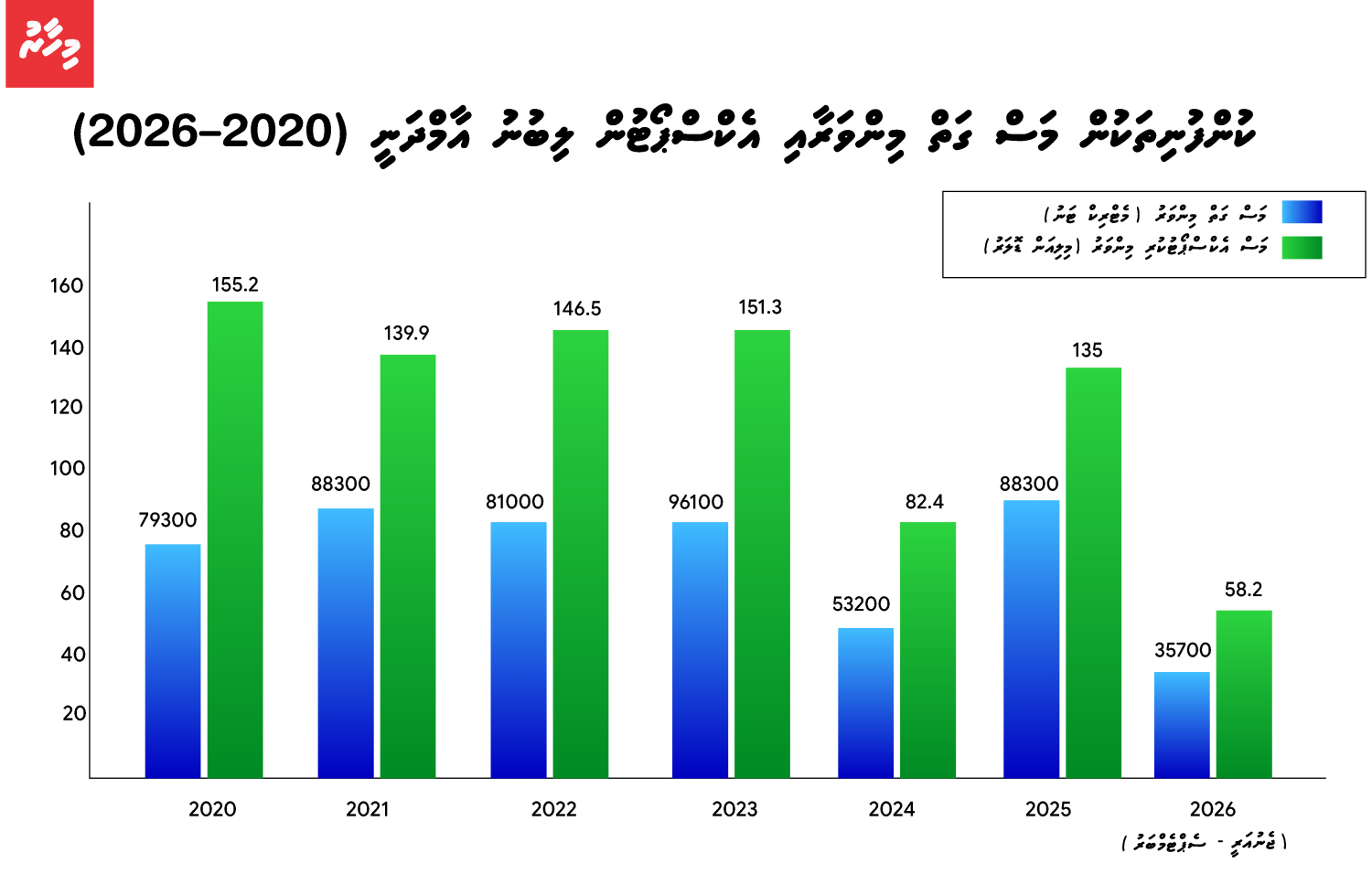
Statistics from the Ministry of Fisheries and Maldives Customs reveal that compared to the first nine months of last year, the volume of fish purchased by processing companies during the same period this year has dropped by nearly half or 48.9 percent.
With skipjack tuna purchases plummeting by 57.9 percent in particular, revenue from fish exports has fallen from $106.2 million during the same period last year to $58.2 million.
How Warming Oceans Are Impacting Baitfish Supplies
By reading the wind direction and ocean currents, Maldivian fishermen know exactly where to steer to locate schools of fish. However, fishermen say that global climate change is now disrupting this centuries-old, inherited expertise.
Maldivian fishermen also agree with the assessment that another key factor driving the decline in catches is the warming of global sea surface temperatures, fueled by a powerful El Niño event developing thousands of miles away in the Pacific Ocean.
"Even the nakaiy [traditional Maldivian monsoon calendar] doesn't align accurately anymore. Nowadays, people sometimes check their phones and say, 'baitfish are getting ready to enter such-and-such area.' Yet they don't show up, and we go without finding any," said Niyaz, who has years of experience in baitfishing.
"It strongly points to climate change being the reason [for the decline in baitfish]."
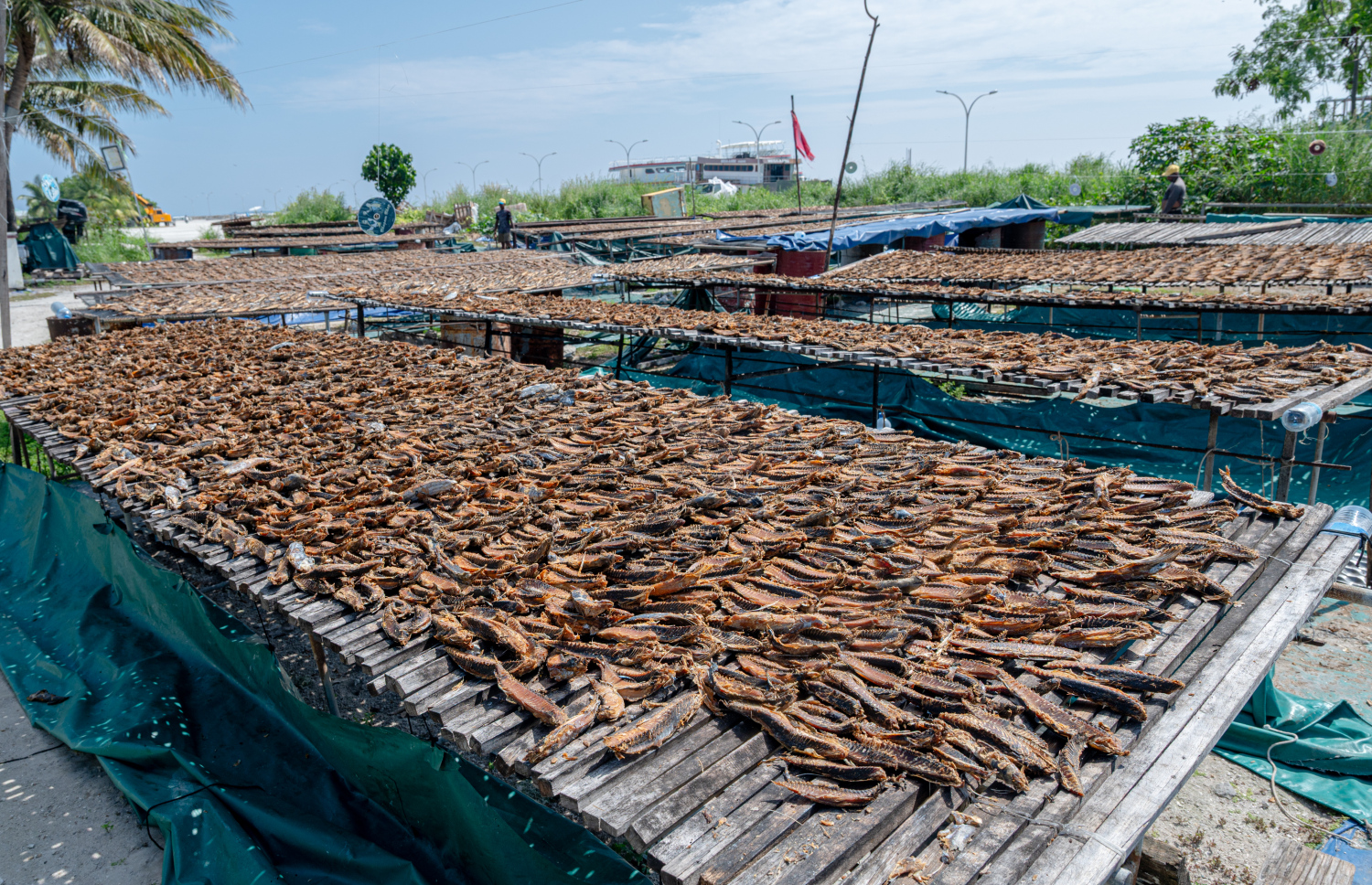
According to the World Meteorological Organization’s (WMO) State of the Climate report released during COP31, this year has seen the worst ocean conditions on record.
El Niño is projected to reach peak intensity next month. Because there is always a time lag before its effects reach the Indian Ocean, the impacts on the Maldives are expected to persist through the second quarter of next year.
Former Maldives Meteorological Service climatologist Ahmed Shabin noted that it is still difficult to gauge the exact strength of this El Niño or compare it to past events. This is because, as he explained, the developing El Niño is unusually intense and is compounded by shifts in the Indian Ocean Dipole (IOD).
A positive IOD warms the western Indian Ocean while cooling the eastern region. When this aligns with El Niño, both phenomena exert force on Maldivian waters in the same direction, driving ocean temperatures even higher and prolonging the heatwave.
"This happened in 1997–1998, which caused some of the worst coral loss the Maldives has recorded. The concern this year is similar," he said.
During an El Niño event, as the ocean's cooler layer (the thermocline) sinks deeper, plankton—the primary food source for baitfish—also retreats deeper away from shallow reefs. Consequently, common baitfish like silver sprats (rehi) and fusiliers (muguraan) become scarce, forcing vessels to travel great distances in search of bait. At the same time, tuna also dive deeper in search of cooler waters and food, causing surface pole-and-line catches to drop.
As a result, fuel expenses for fishing vessels skyrocket while lower catch volumes directly erode fishermen's incomes.
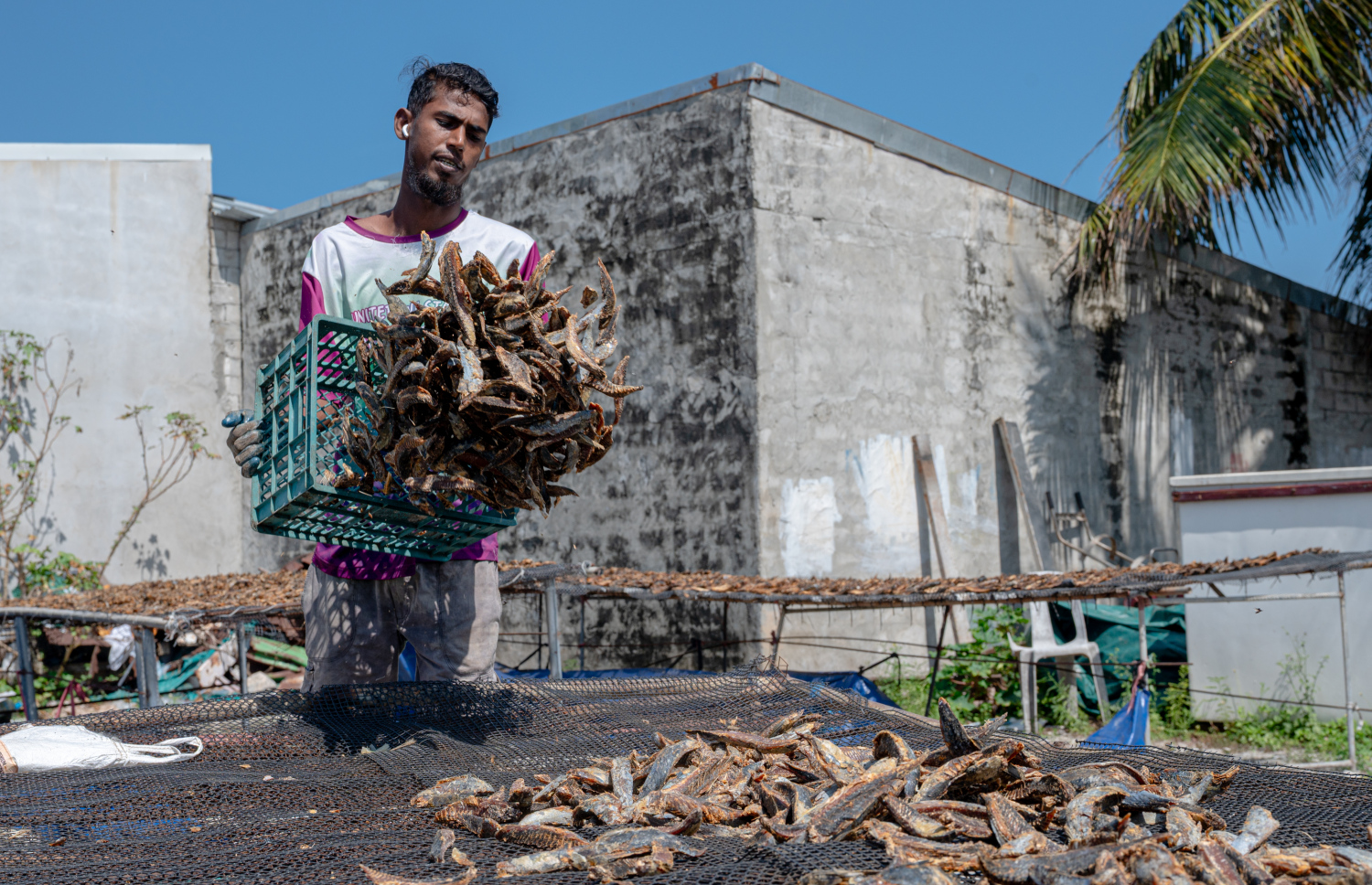
Citing climate model studies, Shaabin stated that as the planet continues to warm, the frequency of extreme El Niño events is projected to roughly double, shifting from a once in 20 year occurrence to roughly once every 10 years.
“Under high-emission scenarios, extreme positive Indian Ocean Dipole events could become almost three times more frequent, from about once every 17 years to once every six," he said.
“There is debate on the exact numbers, but the direction is clear: fishermen should expect these disruptions to become a regular part of life rather than a rare shock.”
The Urgent Need to Regulate Catches and Protect the Ocean
A literature review published by Maldives Resilient Reefs (MRR)—a local environmental non-governmental organization—examining the impacts of climate change on Maldivian fisheries found that, regarding tuna fisheries, overfishing and evolving fishing gear are currently exerting an even greater negative toll on the industry than climate change itself.
The review also notes that direct human-induced damage to coral reefs, such as land reclamation, diminishes the natural capacity of marine ecosystems to recover from the impacts of climate change.
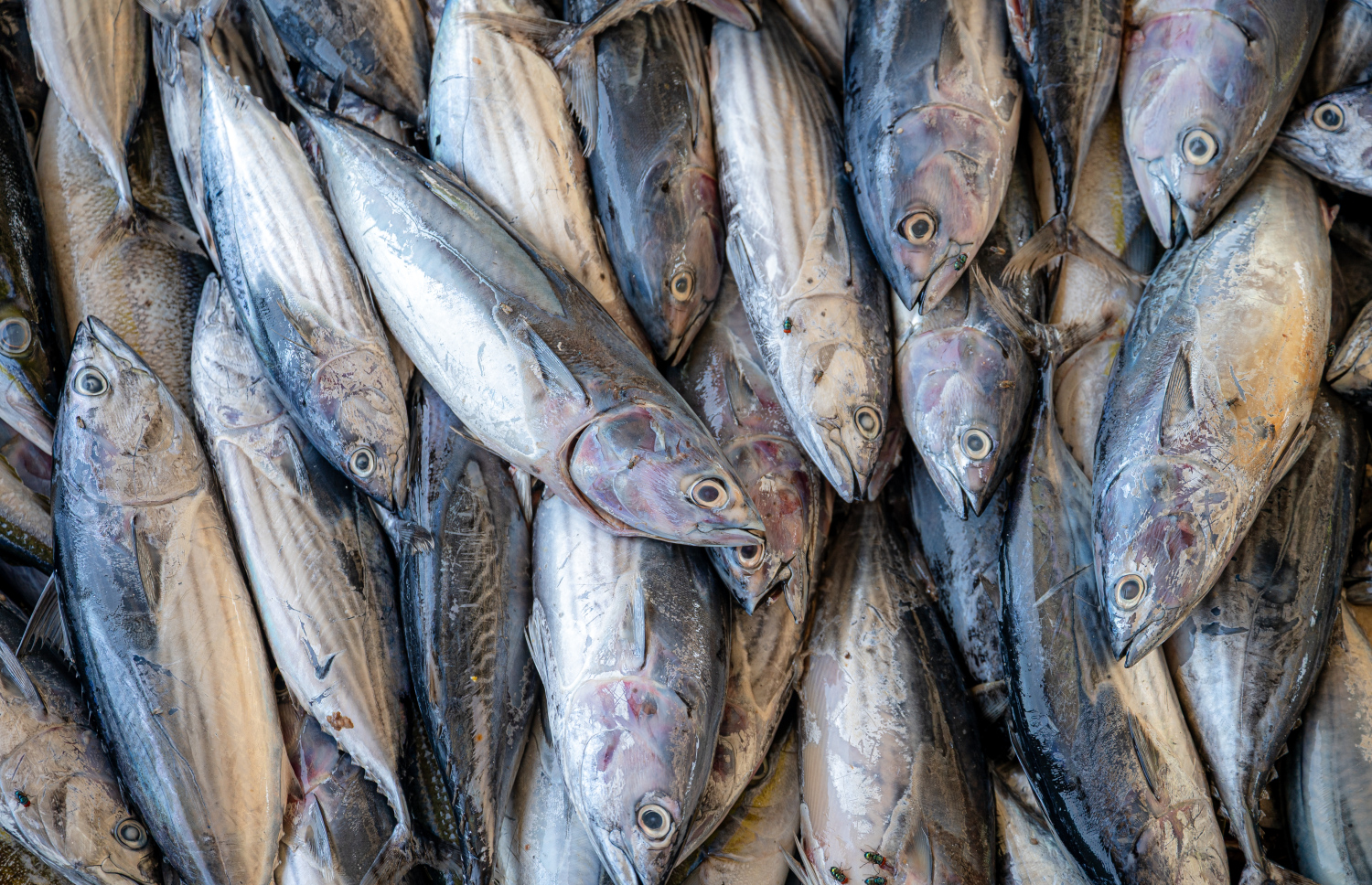
While halting global climate change is not something the Maldives can achieve alone, the review emphasizes that regulating catch volumes and properly managing coral reefs and marine habitats can significantly boost the resilience of the Maldivian fishing industry against climate-driven damage.
In a separate legal review assessing how well climate change is integrated into the Maldives’ fisheries legal and policy framework, the organization concluded that there is no need to invent an entirely new fisheries management system to confront climate change. Instead, what is required is moving existing, legally mandated systems and policies off paper and actively implementing them in routine fisheries decision-making using scientific climate data.
Last month, MRR also presented the findings of these reviews to the People’s Majlis (Maldives Parliament)’s Committee on Climate Change and Environment.
During the committee session, the organization pointed out that when other nations abandoned their traditional fishing methods in favor of heavy commercialization to solve declining catches, the outcome backfired, causing fish stocks in their waters to plummet drastically.
Therefore, MRR believes that if the Maldives were to abandon its centuries old pole-and-line fishing tradition and transition to purse net fishing, ordinary Maldivian fishermen would bear the brunt of the harm. Furthermore, such a shift would tarnish the Maldives' globally recognized sustainable fishing brand and reputation, ultimately driving down the market value of Maldivian fish.
MRR told the parliamentary committee that the solution lies in protecting at least 30 percent of the Maldives' marine territory to strengthen natural ecological resilience.
Although 93 marine areas are currently designated as protected in the Maldives, they account for less than 0.1 percent of the nation’s total Exclusive Economic Zone (EEZ).
Adaptation Is the Only Path Forward
In the face of natural climate phenomena like El Niño and a positive Indian Ocean Dipole (IOD), the only course of action is to anticipate their potential impacts and adapt. This requires taking urgent measures to curb human-induced damage to marine ecosystems, and ensuring there is no room for violating regulations during land reclamation projects.
Both civil society organizations and the general public have voiced concerns over land reclamation projects. Numerous complaints have been filed with the Environmental Regulatory Authority (ERA) this year regarding damage to reefs and fisheries caused by reclamation work carried out without silt screens—in violation of ERA guidelines—as well as dredging sand outside permitted zones.
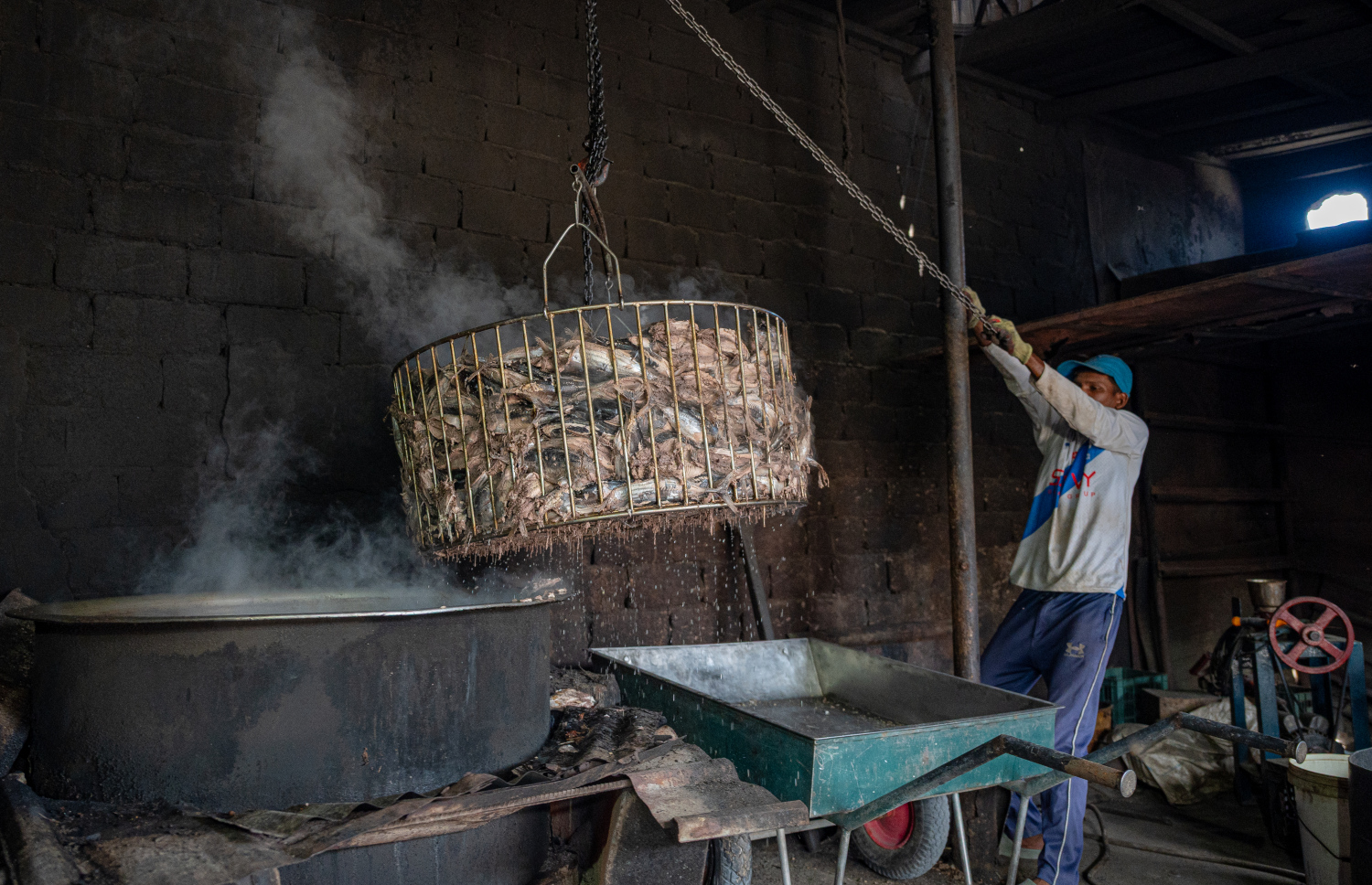
Speaking in an interview with Mihaaru last September, Minister of Fisheries Ahmed Shiyam stated that the Maldives Marine Research Institute (MMRI) is currently assessing the condition of the country's coral reefs on an atoll-by-atoll basis.
"Unlike in the past, this time we are monitoring each atoll individually and will share that data with the ERA. Policies and decisions will be formulated based on such findings from relevant authorities," the Minister said.
The Minister noted that one of the strongest selling points used to secure premium prices for Maldivian fish in the international market is the country's sustainable pole-and-line and handline fishing methods. Therefore, any search for alternative fishing methods must carefully take this into account and involve broad consultations with stakeholders.
Opinions also varied widely among the fishermen interviewed in Naifaru regarding net fishing, as commercial net fishing for tuna and pelagic species, such as purse seining and drift gillnetting, is strictly illegal in the Maldives. While some view it as a necessary solution for now, others fear that introducing purse seining alongside dwindling baitfish stocks could completely deplete tuna schools.
Despite advancements in fishing vessels, modern technology enabling travel to distant waters, and their many years of experience and capability, Naifaru fishermen like Hadhee and Niyaz feel helpless as no sign of a solution is yet in sight. Heading out on their boats only to watch the fishing grounds run dry, just as the baitfishery has disappeared, would be the most heartbreaking voyage in fishing. After expressing the depth of that apprehension, Hadhee concluded his interview on a note of hope.
This story was produced with the support of Informed Earth as part of the COP31 Ocean Virtual Reporting Fellowship.