
This year’s COP summit arrives at a precarious time for the Maldives. Facing potential weather disruptions linked to the Pacific El Niño, rising sea temperatures that have fueled coral bleaching and threatened marine biodiversity, and economic fallout from Middle Eastern conflicts, the nation is once again compelled to raise its voice on the global stage to defend its fragile ecosystem.
At a time when global economic instability and geopolitical tensions have driven up oil prices, posing severe challenges to businesses and daily livelihoods, it is small island nations like the Maldives that bear the heaviest brunt of these shocks.
The United Nations’ annual climate conference, COP31, is underway in Antalya, Türkiye, running from today until November 20, with a special delegation from the Maldivian government participating.
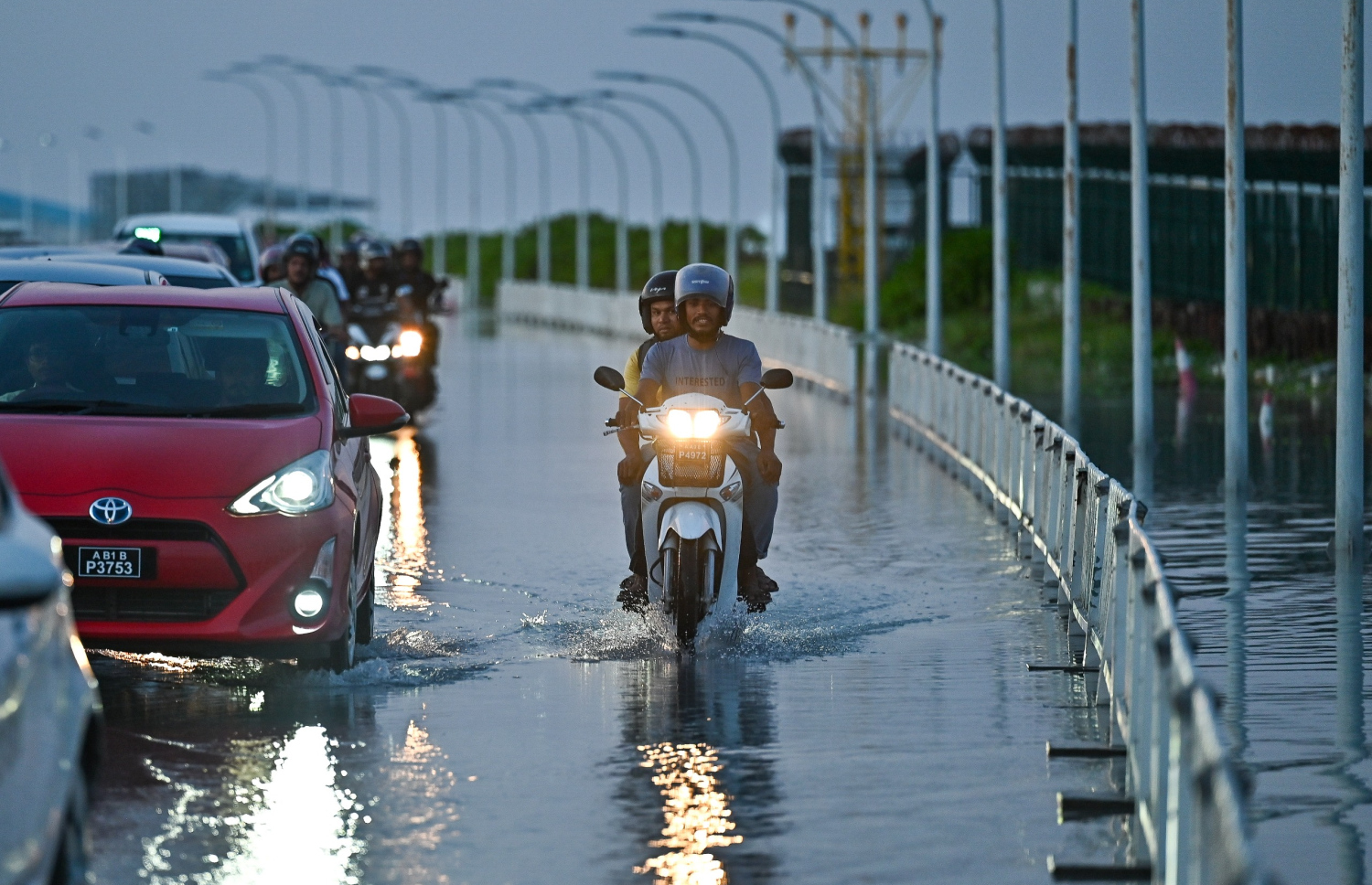
For a low-lying island nation like the Maldives, COP31 is far more than a political or diplomatic forum; it is directly tied to the country's survival. As the world’s lowest-lying nation, standing an average of just 1.5 meters above sea level, even the slightest uptick in global temperatures poses an existential threat to its existence.
Despite the goal established 11 years ago under the Paris Agreement to cap global warming at 1.5 degrees Celsius, figures from the Copernicus Climate Change Service confirm that global temperatures will exceed 1.5°C again this year. It is the second year since 2024 in which the world's average temperature has climbed beyond this critical boundary.
What Are the Maldives' Demands?
The Maldives has consistently been at the forefront of COP summits, championing the rights and voices of island nations. Heading into this year’s high-level summit, the Maldivian delegation arrives with clear objectives and crucial demands: securing debt-free climate finance delivered directly as grant aid, establishing a formalized delivery mechanism for Loss and Damage support, and presenting an actionable framework of tangible measures for island protection.
In a written response to Mihaaru, the Climate Change Department of the Ministry of Climate Change, Environment and Energy noted that the Maldives will collaborate closely with the Alliance of Small Island States (AOSIS), representing 39 Small Island Developing States (SIDS) and other international partners to present its views, priorities, and negotiating targets at COP31.
Under the nation’s latest overarching climate pledge, the Nationally Determined Contribution (NDC 3.0), coastal protection across the islands has been cemented as a central pillar of national development planning. NDC 3.0 serves as a 10-year national master plan aimed at curbing greenhouse gas emissions and shielding the islands from the impacts of climate change.
“Coastal solutions have consistently been a key priority, especially when it comes to resilience-building on islands in the Maldives,” the ministry stated.
In preparation for this year’s climate summit, Maldivian youth submitted key recommendations to the national delegation during the "Youth Track to COP31", organized by UNICEF Maldives last September. Participants stressed that climate action must remain an urgent priority both nationally and globally, insisting that youth voices must be integral to shaping policies and solutions.
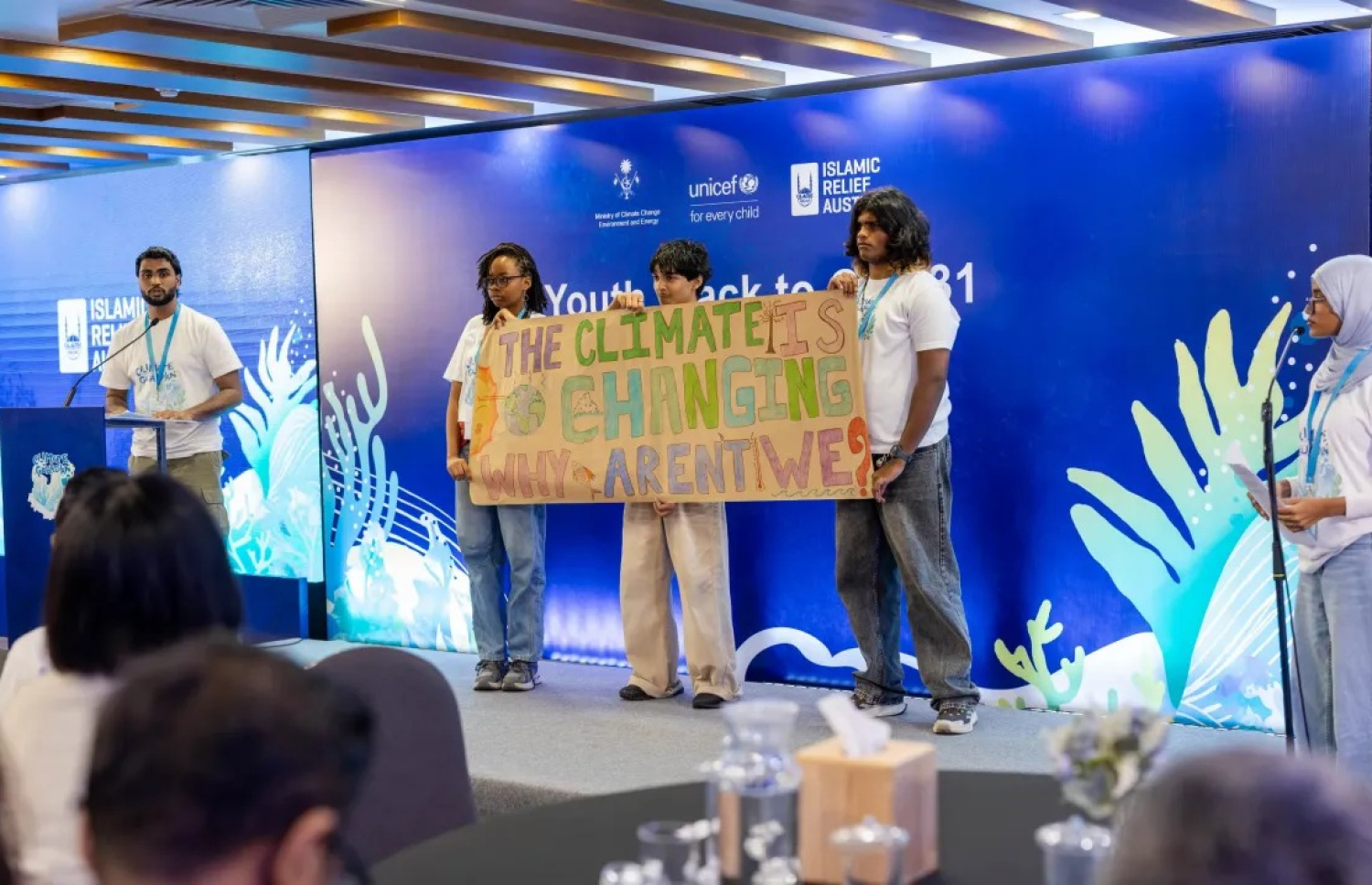
“For us, the ocean is food, income, culture and identity. When we talk about coral bleaching, declining seagrass meadows, coastal degradation or development that damages marine ecosystems, we are talking about something deeply connected to our communities and our future,” the youth statement highlighted.
Participants underscored that marine ecosystems must be protected before they require restoration, pointing out that restoration is exceedingly costly, complex, and carries no guarantee of success. They also noted that despite existing written regulations, enforcement often falls short, and environmental fines rarely carry a meaningful deterrent.
“We want transparency about what is being developed, how environmental decisions are made, where environmental penalties go, and whether commitments are actually being delivered,” participants stated.
Key Objectives for the Maldives
Building on its leading role in the creation of the Fund for Responding to Loss and Damage (FRLD), established to assist countries grappling with irreversible climate impacts, the Maldives will focus at COP31 on fast-tracking operational arrangements to ensure direct access to the fund, the ministry said.
Ministry officials highlighted that securing direct access to this financing will pave the way for initiating critical coastal protection projects far more rapidly than is currently possible.
The Maldives’ core priorities regarding climate finance at COP31 include:
● Raising serious concerns over declining financial contributions from developed nations to help small island states recover from climate-induced loss and damage.
● Pushing to accelerate the implementation of commitments outlined under the New Collective Quantified Goal (NCQG) on climate finance, established at COP29 in 2024.
● Ensuring the unique circumstances and acute vulnerabilities of the Maldives are fully recognized throughout climate finance negotiations.
● Drawing global attention to the critical necessity of grant-based financing to prevent vulnerable small nations from being plunged into deeper debt in their fight against climate change.
For Maldivians, the success of this summit will not be judged by lofty political statements or rhetoric, but by tangible results. Real success at COP31 hinges on concrete assurances of grant aid tied to clear disbursement timelines, streamlined and simplified access to the Loss and Damage fund, and substantive action to honor the commitment to cap global temperature rise at 1.5°C.
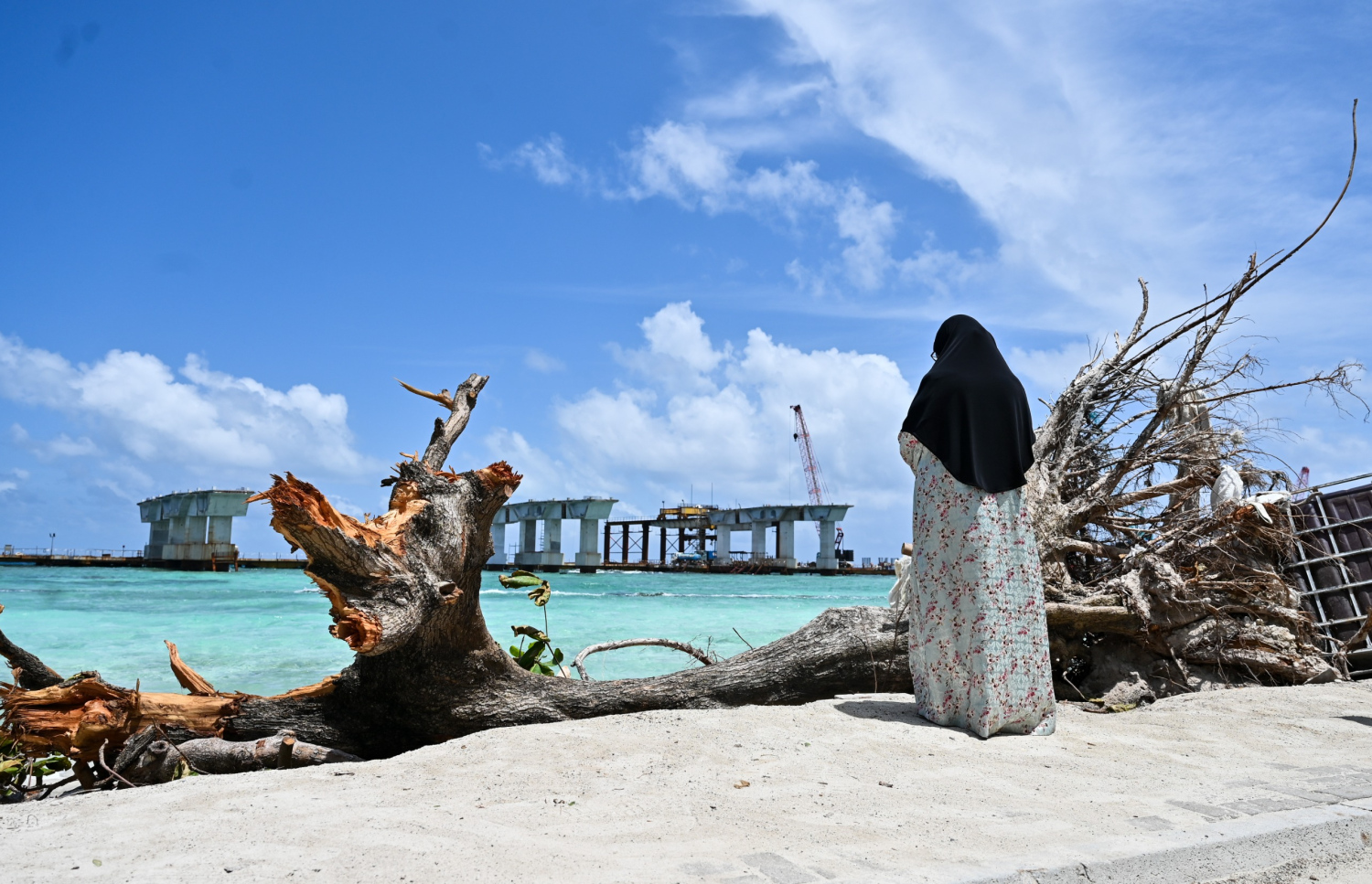
Securing climate finance to cope with environmental devastation has long been a key advocacy priority for the Maldives at COP summits over the years, mirroring the central demand of vulnerable small island nations across the globe.
Described globally as the "Blue COP", this year's conference marks a critical and historic juncture for ocean preservation. While ocean issues were once addressed merely on the sidelines of international climate talks, the primary focus of this summit is to establish formal, binding resolutions to protect marine environments.
With more than 80 percent of the Maldives’ land area sitting barely a meter above sea level, rising oceans will exponentially worsen tidal surges and severe coastal erosion. Crucially, the twin pillars of the Maldivian economy and livelihoods—fisheries and tourism—rely entirely on a thriving marine ecosystem. For the Maldives, robust decisions to safeguard the oceans, coupled with real climate finance, are the strongest lifeline to ensure its islands are not wiped off the map and are preserved for generations to come.
This story was supported by Informed Earth.


