
The Maldives Expo 2026 set a new benchmark for national industrial exhibitions, being by far the largest economic and cultural exhibition ever held in the country. It was launched by President Dr Mohamed Muizzu in Hulhumalé and saw the participation of hundreds of local and international exhibitors, with over 4000 products on display. Covering a wide range of areas from innovation and commerce to art, the Expo transformed the city into a living exhibition of the island's ingenuity and capability. It attracted hundreds of thousands of visitors and was a powerful demonstration of the economic potential that exists in the country's dispersed communities.
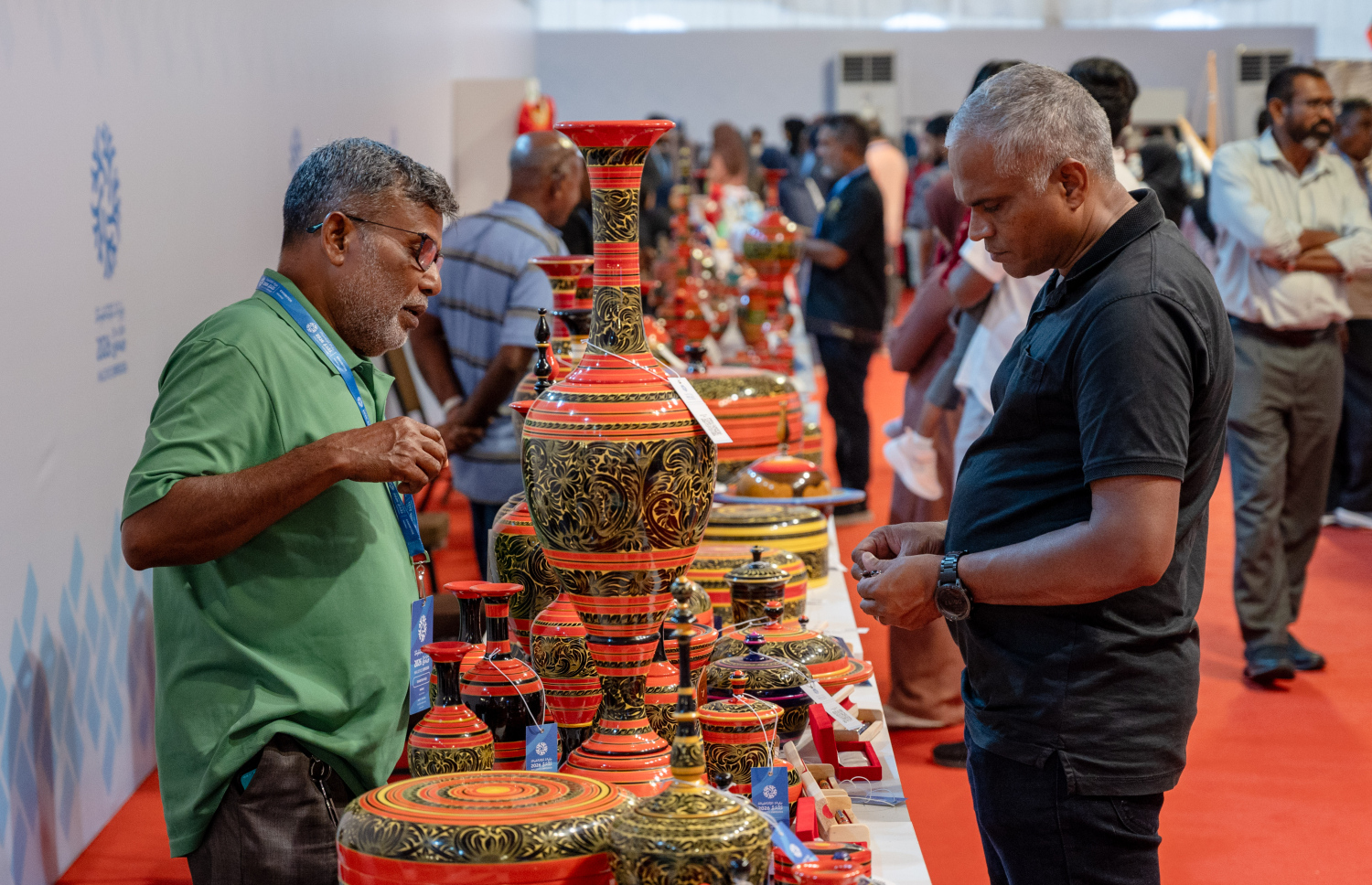
Right at the core of the whole event was a very structured, multi-tiered competitive framework with 16 main award categories and over 70 sub-categories in total. It was designed to drive excellence across the board in all the different industries. You had everything from individual craftsmen right down to the outer atolls to the major corporate players, all with their own displays to present. The whole point was to get them in front of the buyers, the investors and the policy makers. It was no longer just a trade fair in the traditional sense, it had become a real economic environment where the traditional craftsman and the modern enterprise were both present and in competition.
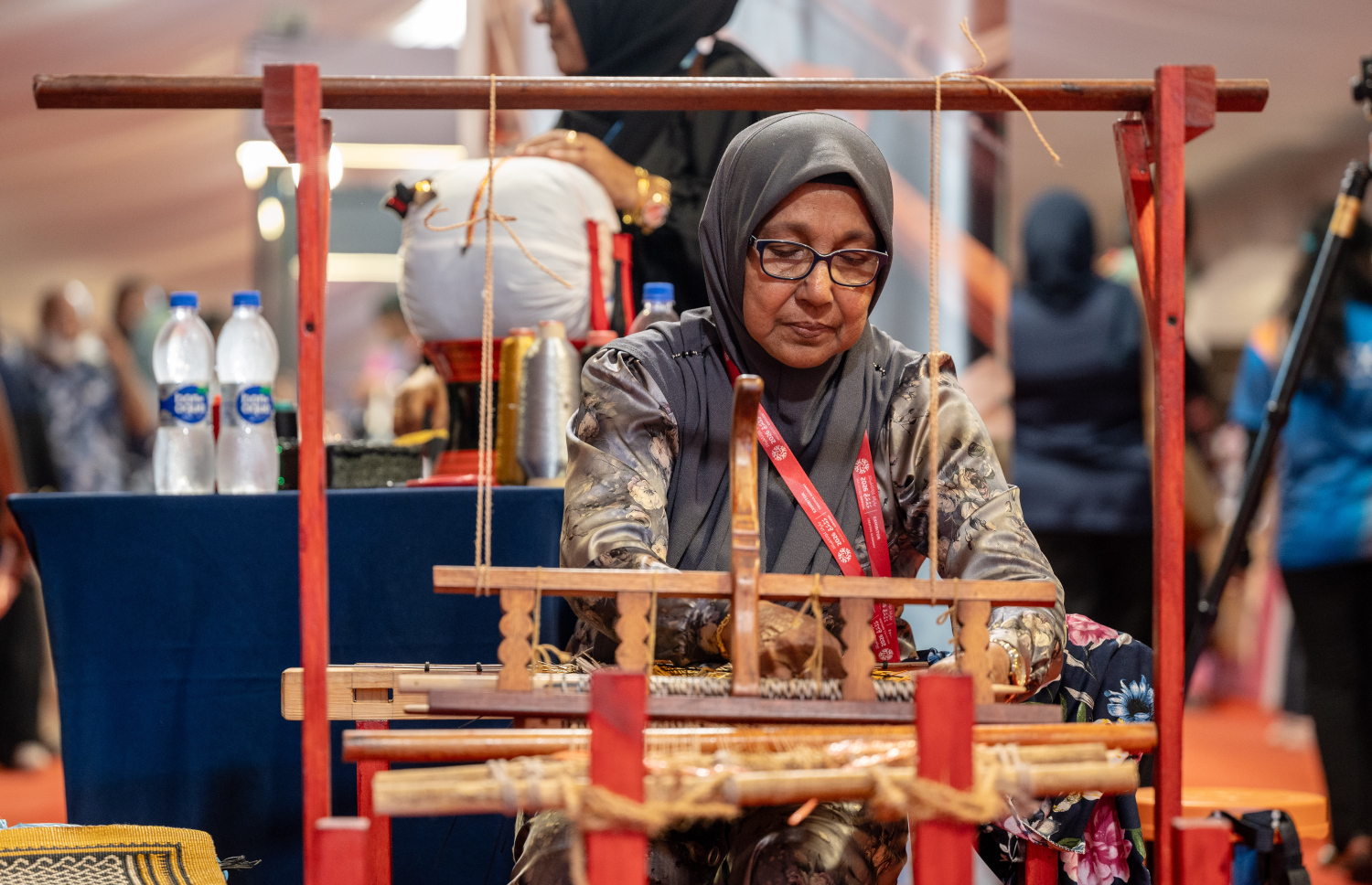
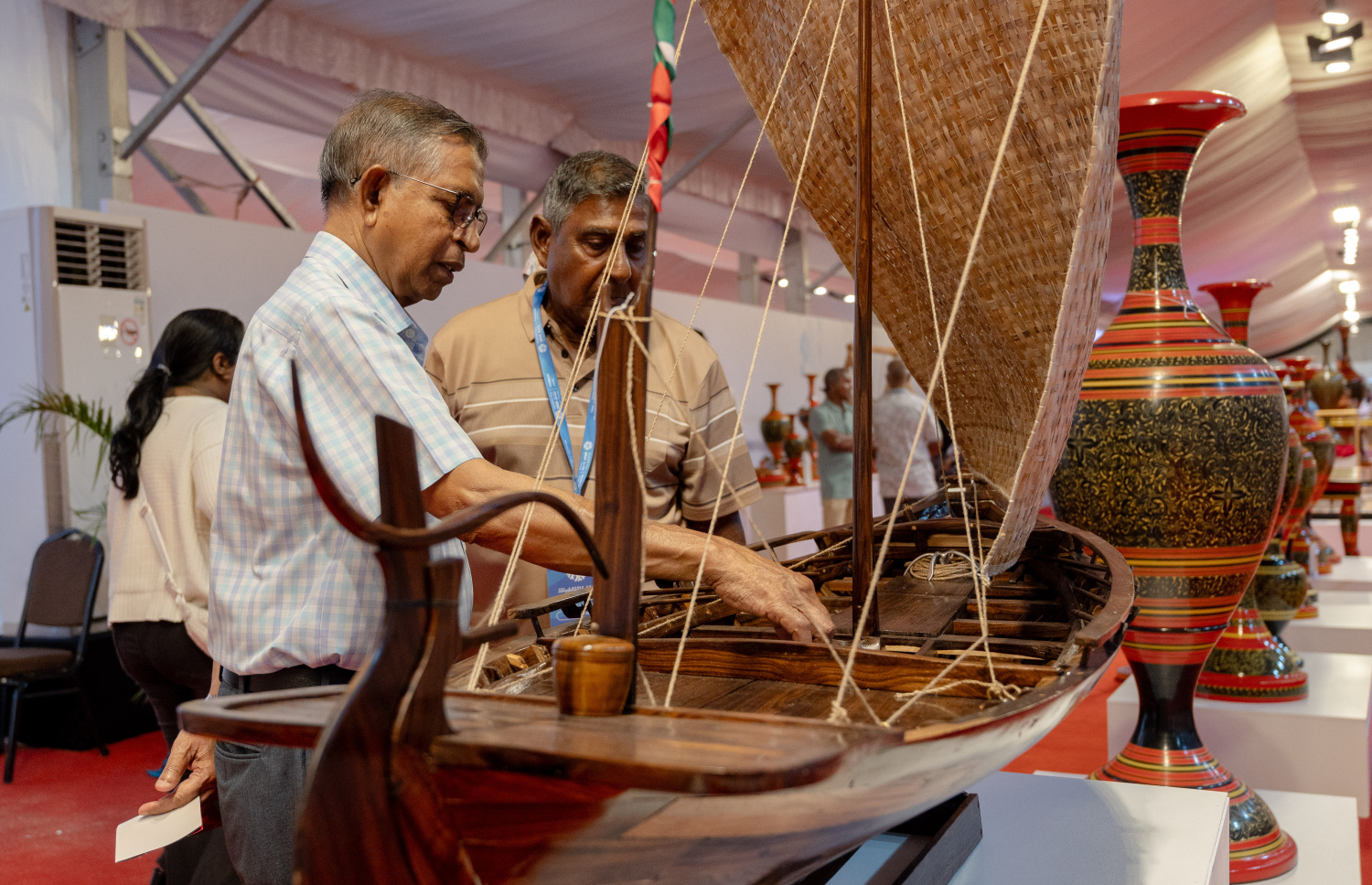
The physical layout of the expo was divided into distinct thematic zones to facilitate engagement and highlight the key growth areas. The Creative Economy Zone featured master craftsmen and contemporary designers displaying fine lacquer work, intricate thatch weaving, modern fashion and visual arts as a demonstration of how the traditional aesthetic can be applied to the modern marketplace. The Marketplace Zone was a very active zone with traders, farmers and food producers from across the atolls all on display, selling their wares, their produce and their indigenous ingredients as a real life reflection of the country's many micro economies.
Tech and long term economic development were the key themes in the Digital & Innovation District alongside the Visitor Economy District. The Digital Pavilion was all about the pace of growth of the local tech start-up scene with a number of bespoke software solutions, fintech applications and smart island logistics tools on display, all of them developed to address the specific challenges of the archipelago. The Visitor Economy District looked at the nation's bedrock industry and re-imagined it through the lens of community based tourism, eco resorts and heritage tourism, with a clear emphasis on environmental sustainability and the delivery of real local experiences rather than just the 'mass tourism' model.
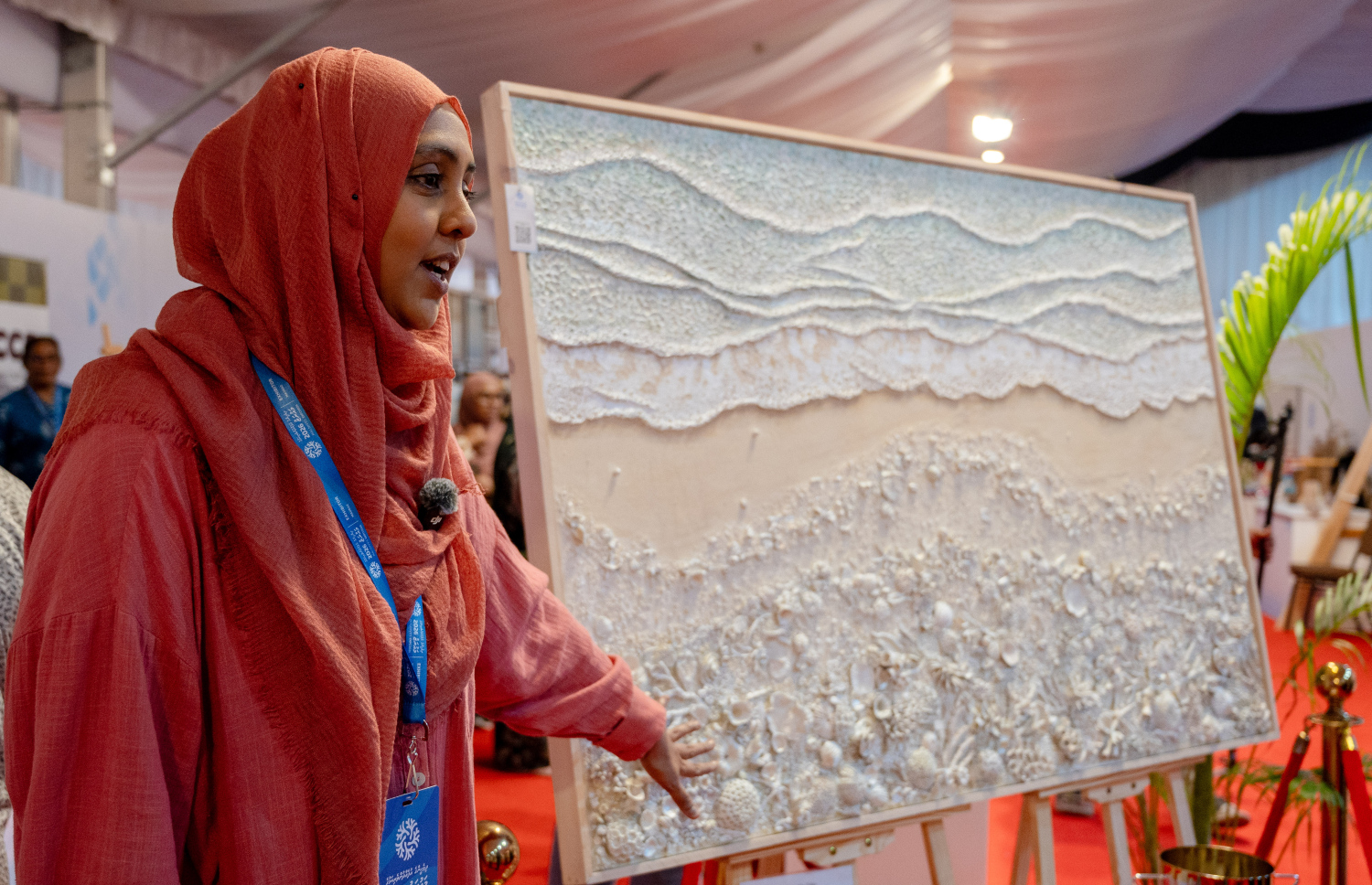
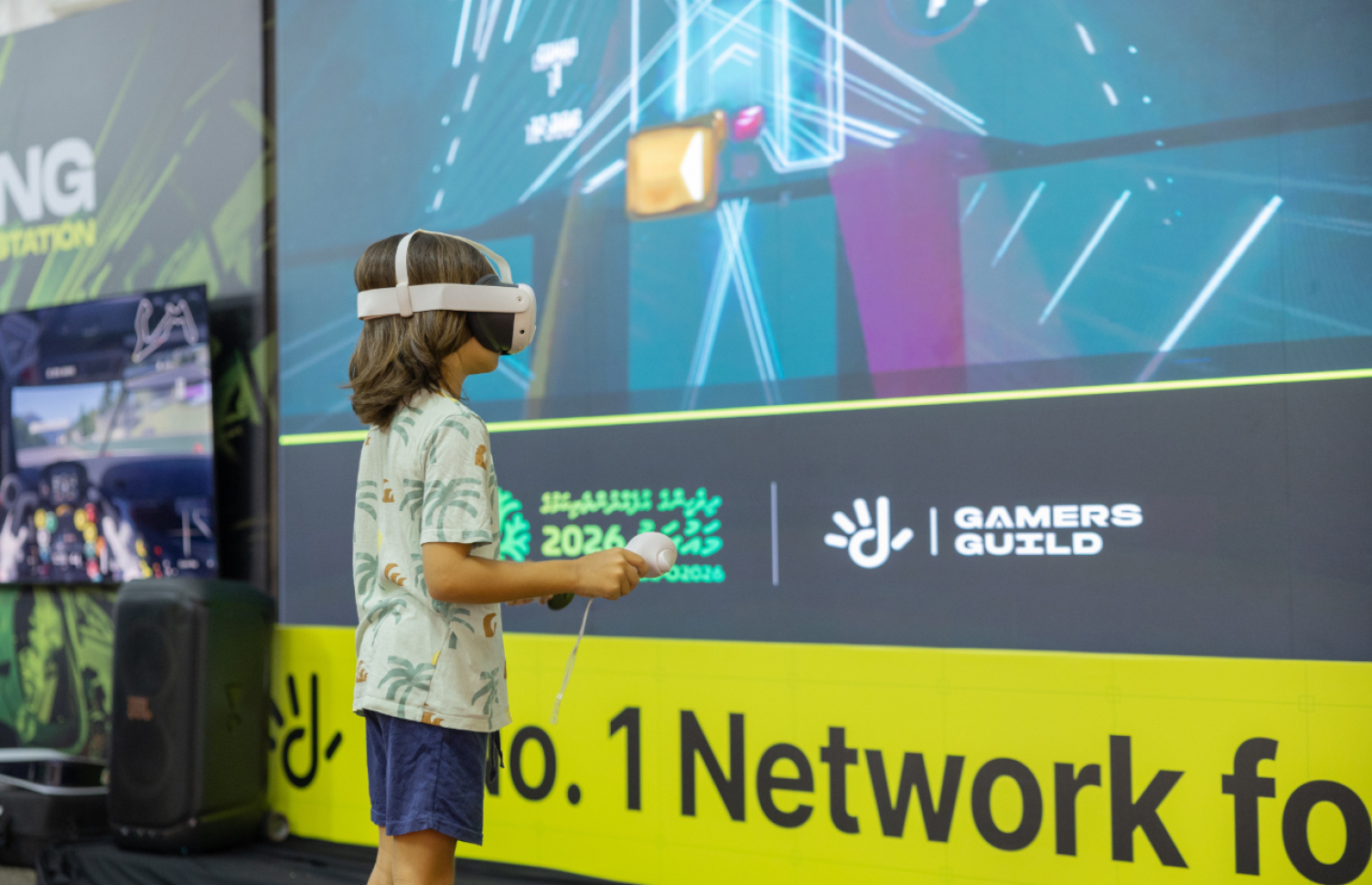
The scope of the exhibition was further broadened with the addition of the International Exhibitors District and the Entertainment District. The International Zone provided a vital forum for foreign business delegations, regional trade associations and international technology suppliers to showcase their wares and to look at the possibility of joint ventures with local companies. The Entertainment District also provided a constant flow of activity on site with live music, theatre, traditional drumming and a range of interactive digital art which kept the event a real celebration for families and the general public.
Beyond the immediate commercial activity on the floor, mega events such as the Maldives Expo 2026 have significant wider socio-economic benefits for the community as a whole. They provide micro entrepreneurs and small business owners with direct access to a huge audience, thereby removing a major marketing hurdle and giving a real level playing field to producers from remote islands. The exposure allows producers to adjust their packaging, pricing and brand messaging in real time based on consumer response, which in turn accelerates the maturity of the business and leads to job creation in both the rural and urban areas.
Just as important is the exhibition's role in the preservation and re-invigoration of Maldivian cultural heritage. In a globalized world where traditional skills are being slowly eroded, skills such as boat building, stone carving and traditional food preparation are at risk. The exhibition brings these traditional skills to the forefront on a national stage alongside the modern technology companies, thus restoring their status and economic value. Craft is no longer just a 'thing of the past' but is an essential and viable part of the modern Maldivian identity which is absolutely worth investing in and preserving.
Perhaps the most lasting legacy of the Maldives Expo 2026 will be in the way it has inspired the youth. The young people who pass through the various districts are exposed to a very real range of possibilities that go well beyond the traditional job market. You see young local engineers, young local techies, young local creative directors going on to achieve success in their own fields and it really does demystify the concept of entrepreneurship. It instills in them a real sense of self-reliance. It's a case of taking their very particular geographical and cultural context and realizing that that's not a disadvantage, that's actually the very thing that can be used to build a very high quality, world class enterprise.
Ultimately the Maldives Expo 2026 went well beyond being a mere trade show and became a defining statement of national resilience and aspiration. It was a powerful demonstration of how a nation can successfully combine international collaboration with local enterprise, technological progress with cultural preservation. It was a blueprint for sustainable development and a clear indication that when a country invests in its people, respects its heritage and is open to innovation, it can build a truly sustainable economic base which will go on to inspire future generations.


