
For decades, moving to the Greater Malé area has been an undisputed rite of passage for young Maldivians seeking higher education, technical training, and early career opportunities. Yet, behind the promise of modern living lies a persistent, exhausting reality: an affordable place to call home simply does not exist for young, single adults.
As Greater Malé expands with high-density social housing developments and soaring luxury apartment towers, a massive demographic has been systematically left behind.
College students, fresh graduates, and young professionals entering the workforce fall squarely into a housing blind spot. They do not earn enough to afford multi-room private apartments, nor do they meet the family-centric criteria required for state social housing schemes. The result is a glaring market gap that stifles independence and drains the youth of vital early-life experiences.
The high cost of shared space
It is estimated that nearly 75 percent of young adults migrating from the outer atolls to the greater Male area end up squeezed into informal accommodation arrangements. In these makeshift setups, four to five individuals often share a single bedroom, with each person paying between MVR 3,000 and MVR 4,000 every month just to secure a single bed.
For those seeking privacy, the alternative is hardly better. Renting an individual room in a shared apartment typically costs between MVR 6,000 and MVR 9,000 per month, often eating up over half of an entry-level salary. Worse still, these high rates rarely come with basic life necessities. Many tenants are denied kitchen access, laundry facilities, or a common living area, and they are frequently subjected to unpredictable split utility bills.
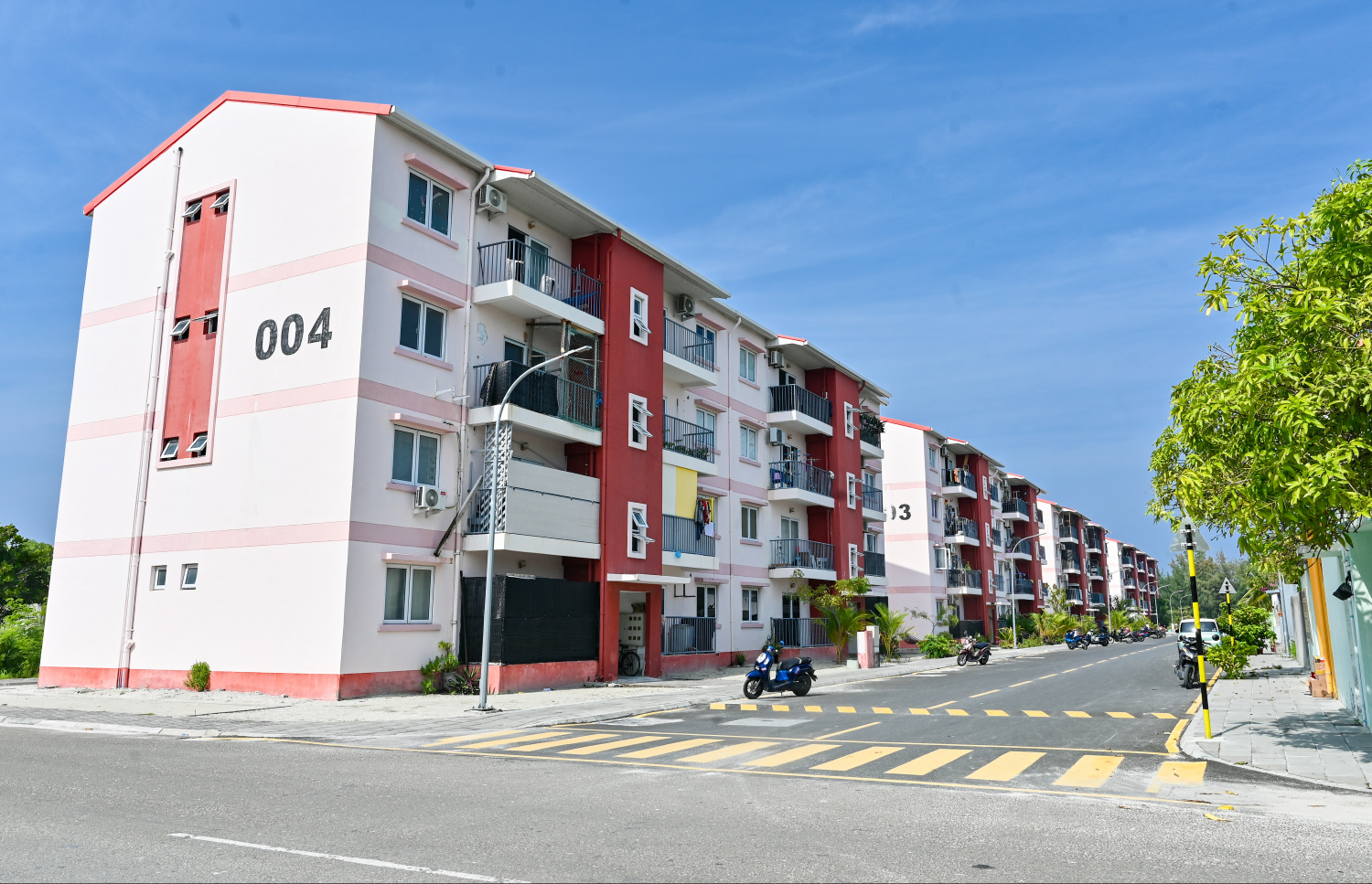
Without legal protections tailored to single room-renters, young adults spend their late teens and early twenties in a perpetual cycle of moving from one unstable house to another. This continuous search for a decent living environment robs them of personal stability, emotional peace, and financial security during their most formative years.
Why social housing and luxury developments miss the mark
The rapid expansion of the housing market across Greater Malé has created a stark real estate binary that completely bypasses young, single adults. On one end of the spectrum lies state-sponsored social housing, which is fundamentally structured around family units, point-based systems favoring dependents, and multi-bedroom floor plans. Because eligibility criteria heavily prioritize married couples, single applicants and young students moving from the outer atolls are structurally excluded from entering these lotteries or securing flat allocations.
On the other end of the spectrum, private real estate developers concentrate almost exclusively on multi-room luxury developments and high-end apartment towers in Malé and Hulhumalé to maximize profit margins. These private rentals frequently command monthly rents ranging from MVR 20,000 to MVR 35,000 or higher, placing them entirely out of reach for anyone earning an entry-level salary or managing a student budget.
Because current urban development recognizes only low-income family welfare or high-net-worth commercial investments, the young adult demographic is trapped in a massive structural housing gap, forced into unregulated, overcrowded shared rentals simply because the market offers no viable middle ground tailored to single-income earners.
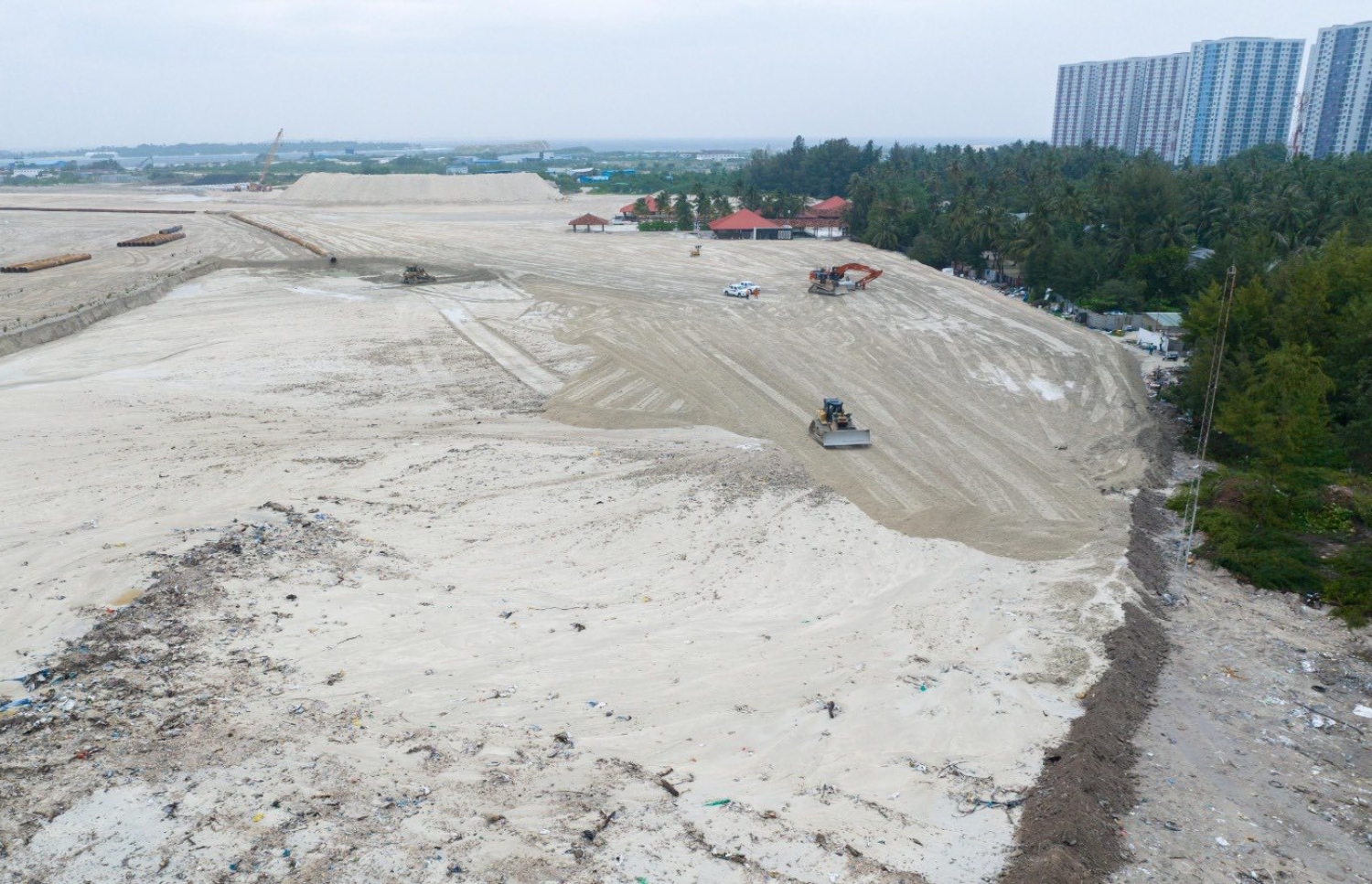
Because government-led social housing projects prioritize family units, single young adults are structurally locked out. On the other hand, commercial real estate developers focus almost exclusively on multi-bedroom luxury units in Malé and Hulhumalé to maximize return on investment. This leaves young adults completely stranded between state welfare and market affordability.
The modern solution: Compact condos and micro-housing
To fix this structural market failure, urban planning in the capital needs to embrace dedicated condominium complexes designed specifically for single occupancy, often referred to globally as micro-apartments or studio condos.
By focusing on self-contained, compact layouts ranging from 250 to 400 square feet, developers can maximize building footprints while offering affordable, dignity-first housing options. A modern condo block tailored for students and young workers would offer:
- Private living space: Fully functional studio units featuring a private bathroom, kitchenette, and dedicated study area.
- Shared amenities: On-site commercial laundry rooms, communal co-working spaces, and shared recreational areas to build a sense of community.
- Predictable utility bills: All-inclusive sub-metered water and electricity, preventing the disputes common in shared family apartments.
- Flexible lease terms: Leases structured around academic calendars or young professional career tracks.
Unlocking economic and personal growth
Investing in single-person condo infrastructure isn't just about providing shelter, it is an investment in human capital. When young Maldivians have access to safe, predictable, and affordable housing, they gain the stability needed to excel in higher education, launch career initiatives, and build financial independence.
Bridging this housing gap in Greater Malé will require targeted policy incentives, such as tax breaks for developers building micro-housing or private-public partnerships dedicated to student accommodation. By shifting the development focus from sprawling multi-room units to smart, compact condos, the Maldives can finally offer its youth a dignifying place to call home.
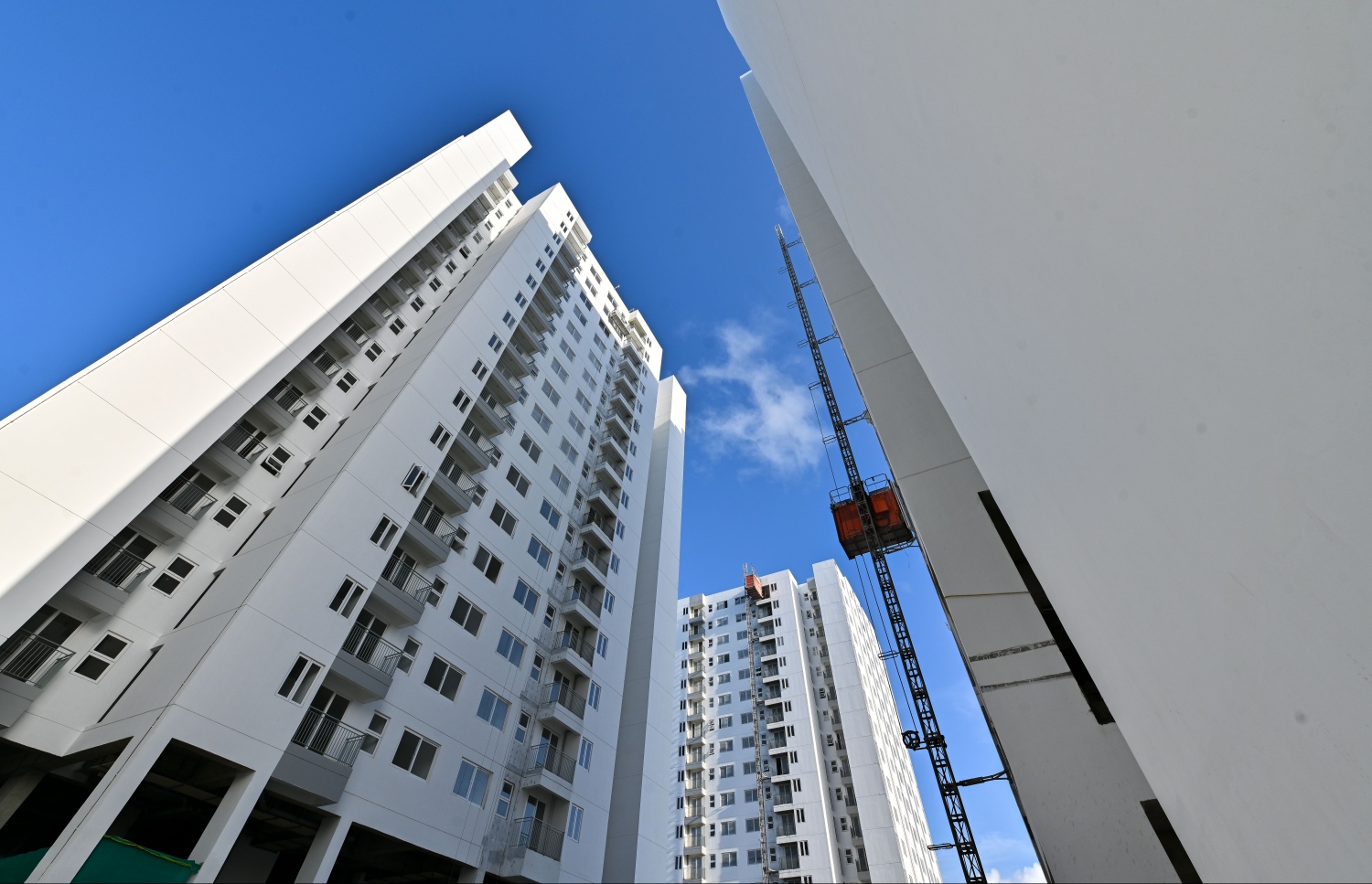
Government initiatives and emerging policy steps
Recognizing the immense pressure on the national housing sector, the government has rolled out sweeping overarching frameworks like the "Housing for All" policy and the Aailee Boahiyaavahikan (Family Housing) program, alongside massive land and flat allocation drives in the Greater Malé region. While these large-scale public initiatives primarily target family units, married couples, and long-term registered residents, they reflect an intensifying state focus on resolving structural housing bottlenecks.
At the same time, institutional efforts, such as limited student accommodation blocks operated by institutions like the Maldives National University (MNU), demonstrate an official acknowledgment of the housing distress faced by youth in the capital.
However, because these institutional hostels are limited in capacity and broad national schemes remain structurally fixated on family households, experts note that specific state-backed incentives for private micro-studios, dedicated youth co-living regulations, and public-private partnerships focused entirely on single-person rentals will ultimately be required to fully close the gap and secure a sustainable future for the country's rising workforce.


