Our Earth is experiencing rapid climate change across the globe. Temperatures have risen faster than before and its effects are being seen across the world.
Maldives is not being left out of these global changes. Rising sea levels, coastal erosion, flooding, weather patterns that change constantly and the degradation of the ecosystem are occurring in real time. This is not a phenomenon that we can talk about as though it is in the distant future. It is here and it is happening now.
A trio of Maldivian youth have taken the initiative to develop the Local Conference of Youth (LCOY) Maldives 2026 National Youth Statement on Climate, which was written up after Yania Hussain Ishan, Fathimath Muhammed Ahmed and Abyan Abdul Rasheed Ali, the Core Youth Organisers of LCOY Maldives 2026, conducted national and regional consultations, thematic focus group discussions and the final validation process as part of the LCOY Maldives 2026.
This is just one cog in a global movement of climate conferences led by the youth prior to the United Nations Climate Change Conference (COP31). The LCOY provides youth with the platform and the opportunity to share lived experiences, identify priorities and offer assistance in any way possible toward national and international climate discussions.
LCOY Maldives 2026’s workshops saw over 100 young people participate in the effort across Maldives. 30 youth and 7 participants online were a part of the national sessions in Male’, with 16 youth in Kulhudhuffushi and 7 youth in Laamu Gan being part of regional workshops. 11 individuals lent their assistance via five thematic focus group discussions, which led to LCOY Maldives 2026’s Statement coming together after 41 youth contributed to its validation through Youth Track to COP31.
What Their Workshops Uncovered and What Connected the Communities
LCOY Maldives 2026’s workshops were able to uncover key experiences and concerns that are shared across Male’, Kulhudhuffushi and Laamu Gan. These were able to shape the LCOY’s climate priorities and proposed actions in their Statement.
They outlined how factors such as flooding, extreme heat, changing weather patterns, coastal erosion and ecosystem degradation are affecting every aspect of daily lives. They were able to identify that climate vulnerability is shaped by development and understood that local knowledge must shape decisions. When development projects do not protect what already exists and changes the surrounding environment in a way that does not account for the state of the local environment, and when those decisions are made without local knowledge, it can put further pressure on the risks being faced by communities, stated the organisers.
The organisers want it understood that climate action is not limited to any one generation and that everyone should be able to speak and connect regarding the subject matter so that amicable solutions may come about. Climate education is also a major factor and should be integrated into schools.
While participation through consultation is good, they said the younger population and communities want to contribute in more meaningful ways within making decisions, implementation, monitoring and evaluation, ending with feedback on the outcomes and how they have been influenced.
The organisers recognized that the responsibilities held by governments, institutions and major economic forces are what can bring about true, lasting change. Accountability across governments and nations that have high emissions, and mitigation measures by those will ensure that damage to the environment can not only be repaired, but perhaps even prevented.
Climate and Health, Action for Climate Empowerment
The organisers highlighted that the quickened pace of climate change can have an impact on health, with access to healthcare in an island nation such as Maldives having its own challenges. Limited access to mental health support, and vulnerable demographics face mounting risks from health issues stemming from climate change.
Increased accessibility across sexual and reproductive health information and services, mental health and psychosocial services, Polyendocrine Metabolic Ovarian Syndrome (PMOS), endometriosis, infertility and health stressors that could be tied to the climate are all essential, with the organisers stating it should be affordable, equitable and accessible through decentralised services. They also said local governance must ensure all of their supporting pillars within healthcare, such as equipment, staffing, transport, referral systems and pathways are bulletproof. Healthcare facilities and providers need to be ready to handle climate-related health issues, with climate-related stress and anxiety being recognized as genuine health concerns.
Education in nutrition can strengthen food security and raise awareness regarding environmental health risks.
They suggest strengthening across various points such as regional and international cooperation among Small Island Developing States (SIDS) so that everything from knowledge, research, technology and financing can be shared and increased across borders. Early warning systems and public communication needs to be improved as well, to the point where the public receives the relevant information in a timely manner, allowing for counteraction in the short and long term.
The organisers wrote that the government’s 20-year National Development Plan and the National Adaptation Plan needs to have climate and health priorities with the proper planning and foresight so that meaningful and lasting action can be taken, which would include infrastructure that is resilient against heat and is responsive to the climate so that the environment people live in is safe both physically and mentally.
Research and data collection done locally regarding climate-related health impacts should be invested in so that national and decentralised planning can be structured around the evidence. They need to be grounded in evidence and neutral in tone, said the organisers, so that each individual can form their own opinions and express them when it comes to major development planning decisions.
Conservation and restoration efforts should involve the public and must be afforded necessary resources so that monitoring and implementation can have significant impacts, as per the organisers. Accessibility of information via a central research hub will also reduce climate knowledge gaps, especially if they are available in dialects, languages and literacy levels appropriate for varied communities.
Misinformation must be kept in check so as to ensure better policy and decision making from meaningful public and civic participation. The organisers stated support for climate initiatives led by the community and youth in all islands, inclusive participation and varied forms of climate engagement will not only introduce variety but also ingrain passion into acting in the fight against climate change.
Loss and Damage, Oceans
They went on to say that climate change is causing loss and damage on an unprecedented scale across the globe. The loss of every type of ecosystem should be recognized, assessed and addressed so that national and international accountability can lead to climate justice. More support and accessibility needs to be put into Loss and Damage finance, which can strengthen decentralised preparedness, mitigation and post-disaster relief based on the needs of the island across temporary housing, livelihoods, food security, accessibility, transportation and more.
According to the organisers, a minimum-preparedness standard needs to be put into place so that necessities such as essential food, water, medicine and ore can be stockpiled ahead of time should services and transport be hindered.
Maldives’ oceans are vital to the country, tied directly to culture, food, identity and income. The organisers suggest increasing and integrating knowledge on the ocean in all its forms, along with Traditional Ecological Knowledge (TEK), strengthening accountability and transparency regarding land reclamation and coastal development.
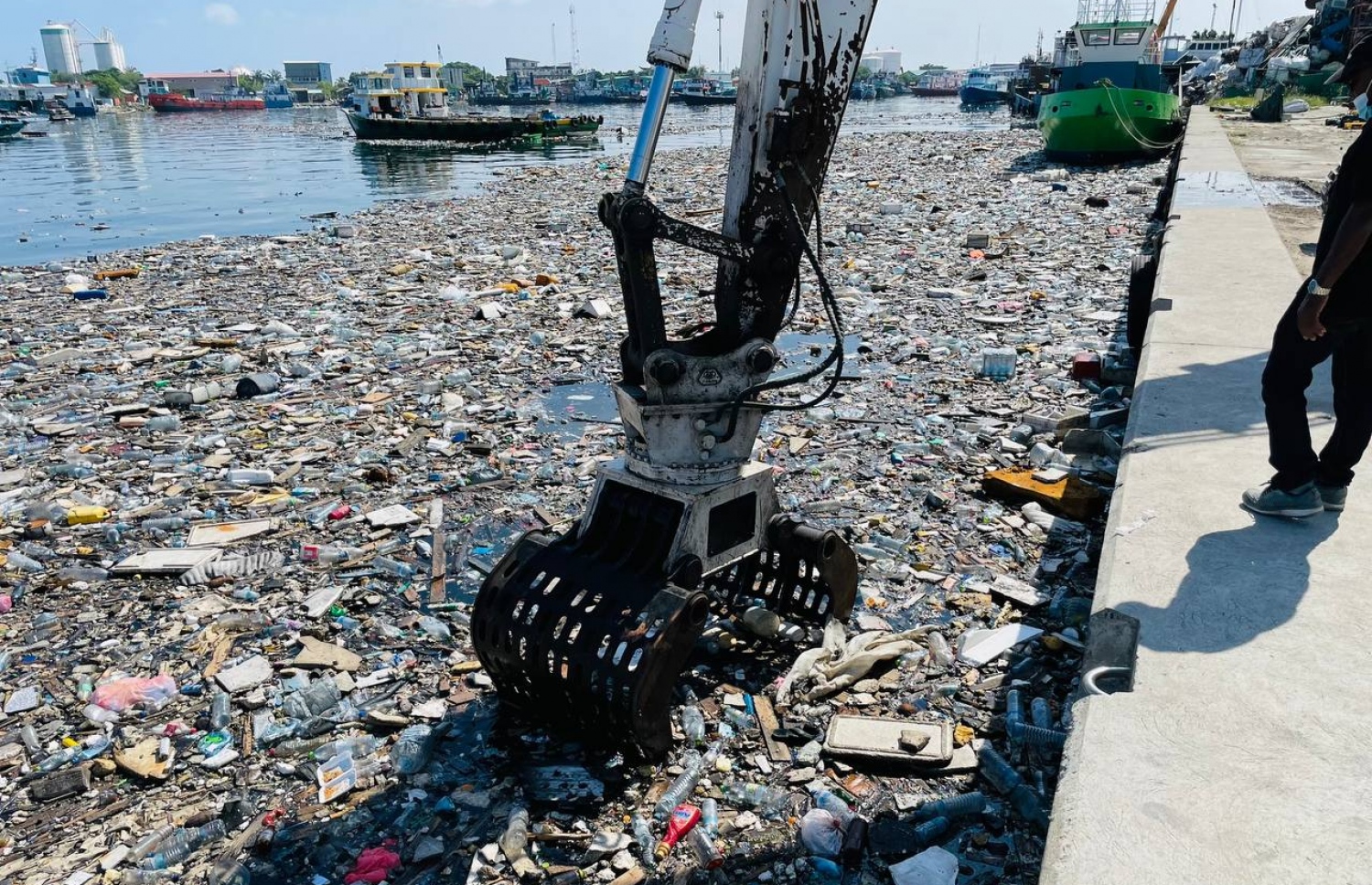
The strengthening of waste management can limit pollution of the marine environment, with the enforcement of waste management regulations minimizing its negative impact, by reducing burning of waste and reliance on landfills, the organisers wrote.
Fishing, along with anchoring practices needs to be made sustainable and standardized as well, said the organisers. Businesses need to prove their environmental accountability via an internal monitoring system such as Environmental Sustainable Governance (ESG).
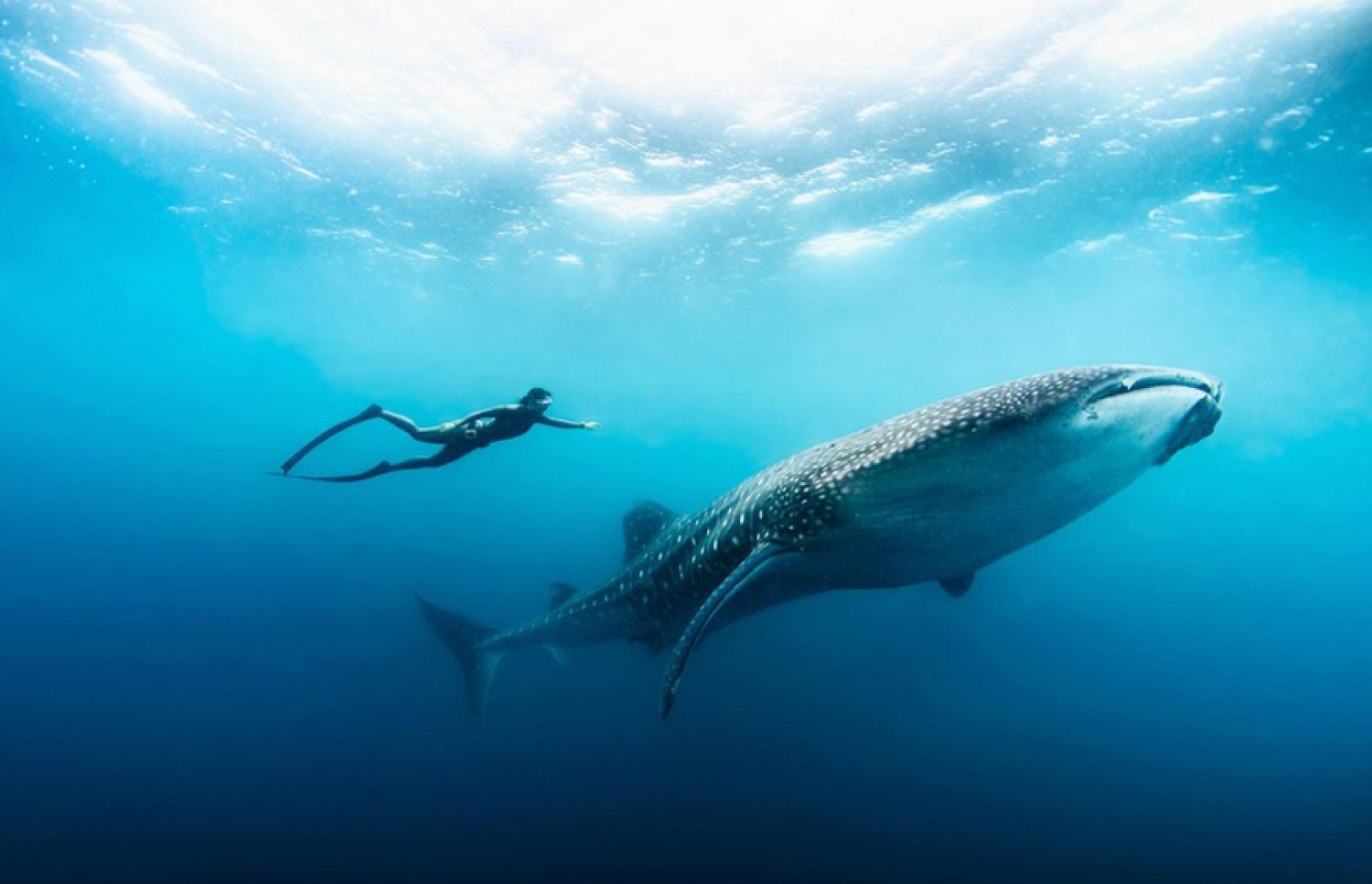
Marine Protected Areas (MPAs) and Protected Conserved Areas (PCAs) need rigorous guidelines that are publicly accessible, practical and clear so that environmental and moral boundaries are observed both on and off site. The organisers said that this, along with waste management, reef protection, freshwater use and more can be applied to tourists as well along with locals, so that environmental impacts can be further reduced.
The dependence on imported single-use plastics should be brought down so that local waste-reduction systems can be strengthened and other solutions are promoted, stated the organisers. Additionally, sustainable and renewable energy solutions should be invested in specific to the Maldives so that fossil fuel usage can be minimized.
Climate Finance, Next Steps
Funding is genuinely being pumped into climate action in Maldives but it needs to be more accessible and better regulated, the organisers said. This can be done by the Ministry of Finance and Public Enterprises whereby they can precisely document, maintain and release climate finance records, which will boost transparency.
Grant-based climate finance and other non-repayable forms should be made more accessible as well so that youth-led and community based initiatives have more opportunities, suggested the organisers. Climate finance should also cover skills and training development so that all parties can move forward with projects that have true impact. Promoting climate finance methods that are Shariah-compliant can allow for more financing across communities and projects. When financing is made easy and accessible at the grassroots level, projects will increase in both quality and quantity, stated the organisers.
LCOY Maldives’ Statement is not only keen on providing recommendations, they want to ensure concrete action is taken. They want the recommendations and priorities of the youth to both reach and be recognized by national and international climate negotiations after their Statement is presented to YOUNGO and the Maldives COP31 delegation.
They also want to put together a mechanism led by the youth that will track the impact the recommendations will have on national and financial scales, and they want regular progress to be communicated.
The organisers say that consistent engagement will lead to climate policy change in such a way that it is moulded to varied islands.
The organisers stated that advocating on international platforms such as COP31 via YOUNGO, other youth networks and SIDS will put Maldives, its environmental hurdles and youth-led initiatives on the map. And finally, they want to revise their Statement if need be through LCOY processes that may be established in the future or via national youth climate efforts so that further action can be taken.


