
On September 21, the government of Maldives signed a commercial terms agreement with UAE company Eagle Hills to develop the Maldives Waterfront and Marina on 500 hectares of reclaimed land in Rasmale’.
The proposed Maldives Waterfront and Marina will come with hotels, resorts, premium residences, branded residences, marina experiences, waterfront promenades, dining, retail, wellness and entertainment features, according to a joint statement from the Maldives government and Eagle Hills.
The development is designed to bring together education, healthcare, community infrastructure and high-quality public spaces, building an integrated environment combining tourism, residential life and year-around economic activity, it states.
"In Eagle Hills and its Chairman, Mr Mohamed Alabbar, the Maldives has a partner whose record speaks for itself - from the making of Downtown Dubai to Belgrade Waterfront and destinations across three continents, few names in global real estate carry the same authority in building city-scale destinations from the ground up. That is the calibre of partnership we have secured for Rasmale',” Minister of Infrastructure, Housing and Urban Development Dr Abdulla Muththalib stated then.
"The Maldives is a truly special place, with unmatched beauty and global appeal. Our ambition is to build responsibly on that strength and create something truly world-class," Mohamed Alabbar, Chairman of Eagle Hills, said.
"All our contractors are local to that country, as are all our suppliers and architects," Alabbar said in a more recent interview about Eagle Hills’ projects in various countries.
Alabbar asserted that he has no interest in carrying out a project which does not benefit the Maldivian community. A project run in the Maldives which does not benefit its people is a failure in itself, he said.
Emaar Properties, also headed by Alabbar and renowned as the developer of Burj Khalifa and Dubai Mall, will also be a part of the Rasmale' project.
To get a better understanding of what Eagle Hills is truly offering through this project, The Edition visited a similar, albeit much larger, property operated by Emaar in Egypt, Marassi.
Marassi, Egypt
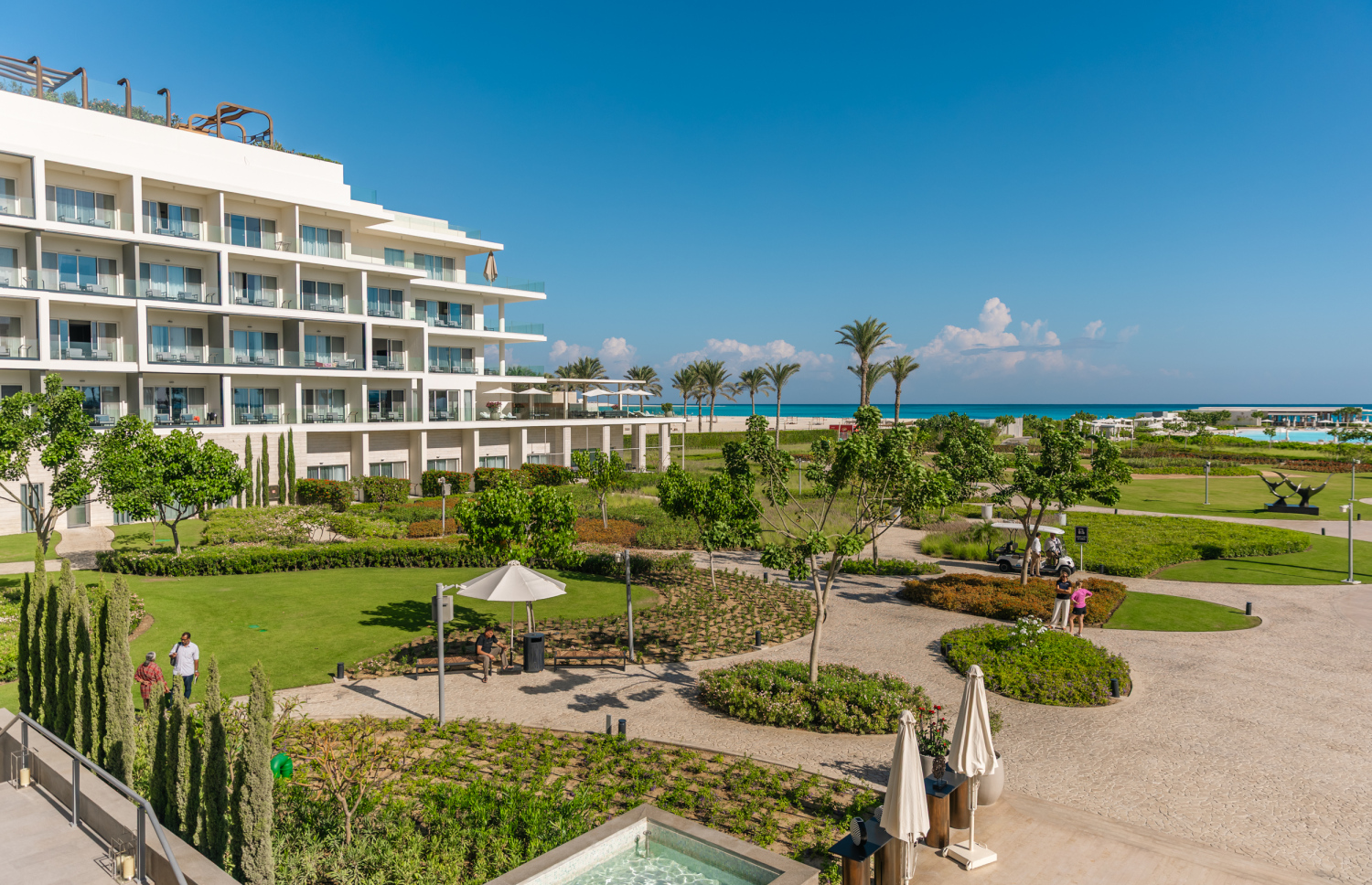
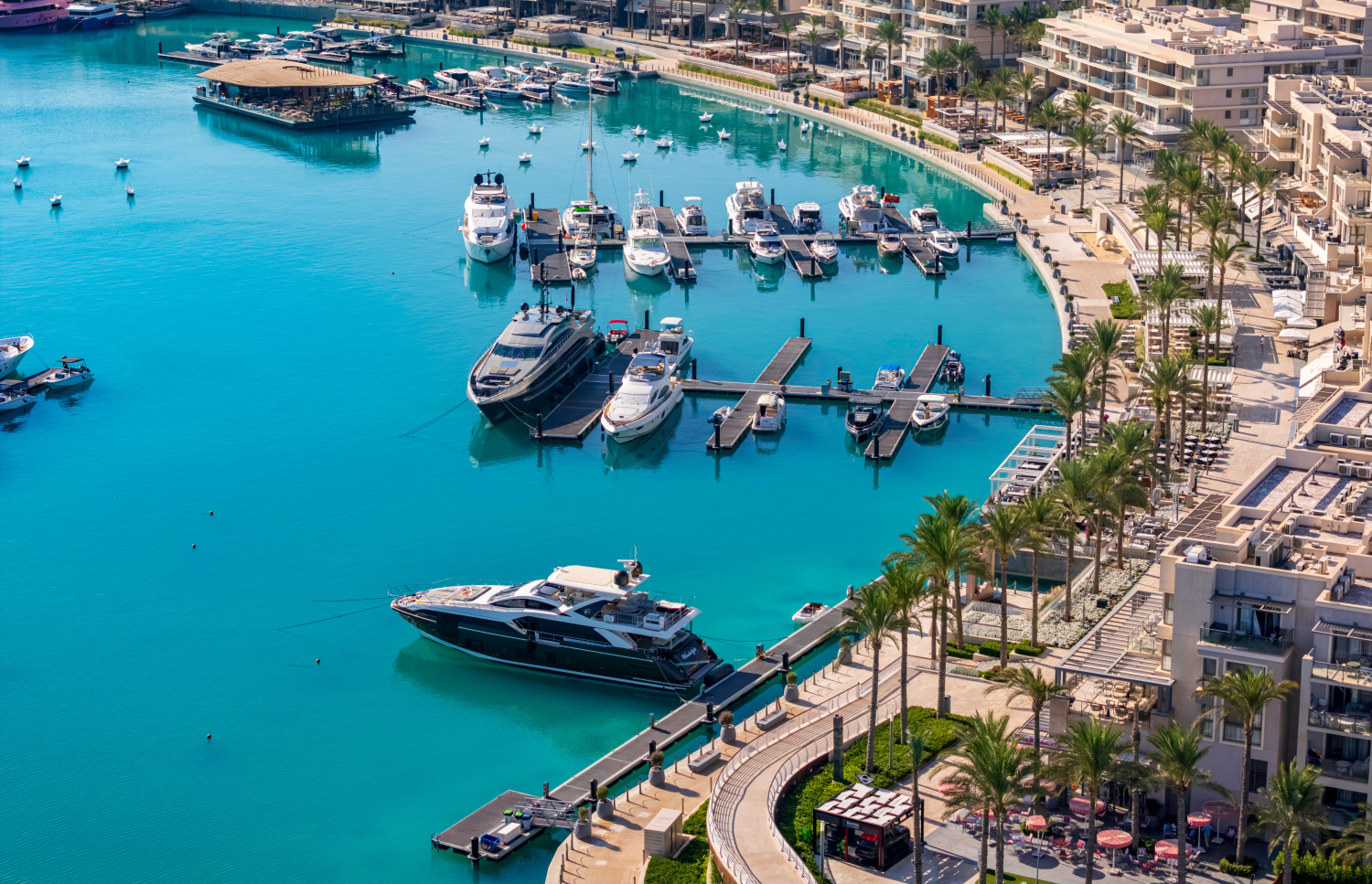
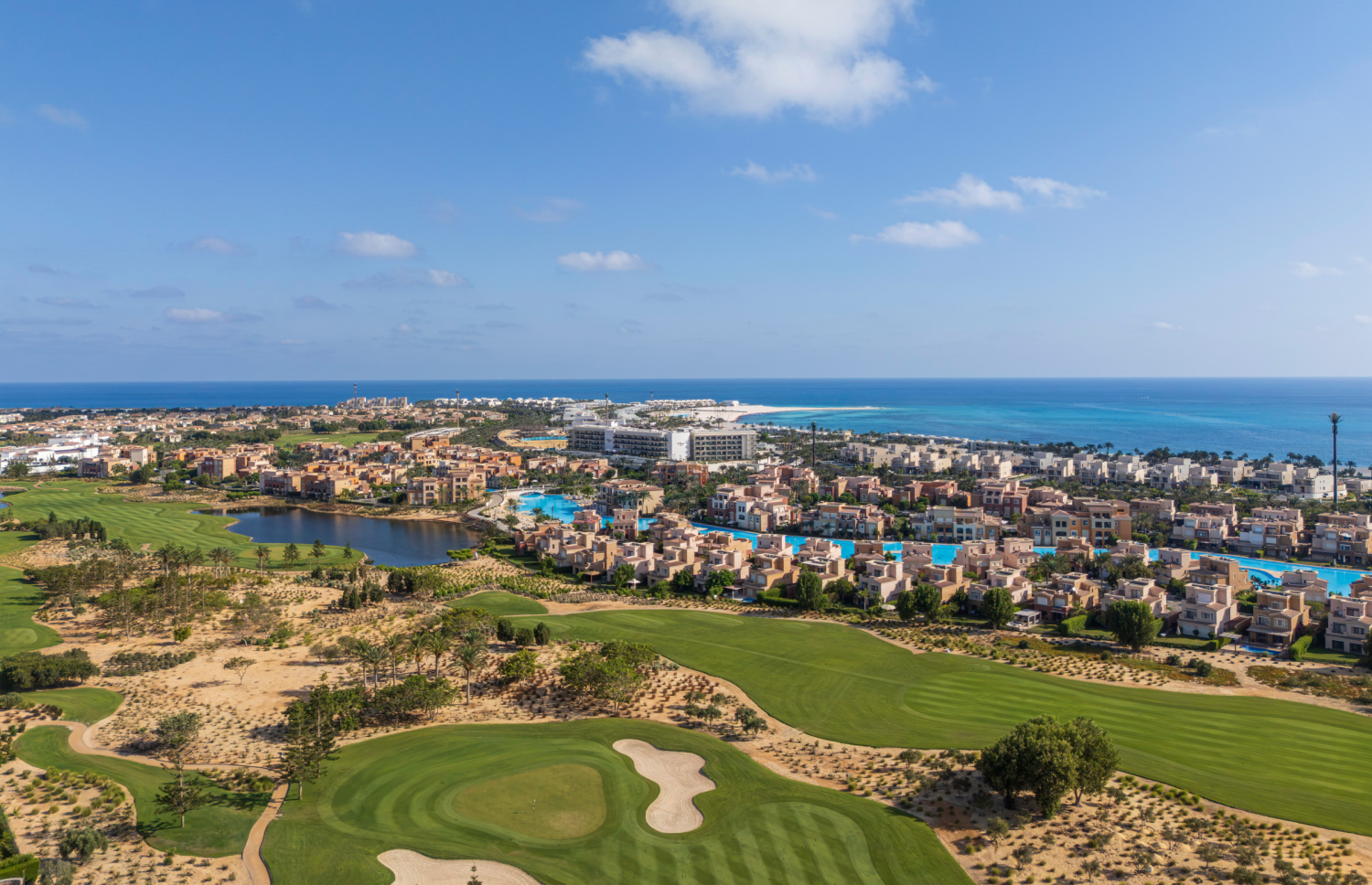
Located on Egypt’s North Coast, Marassi offers hotels, residences, a marina, an 18-hole golf course, several beaches, a water park and a combination of other comprehensive products and services.
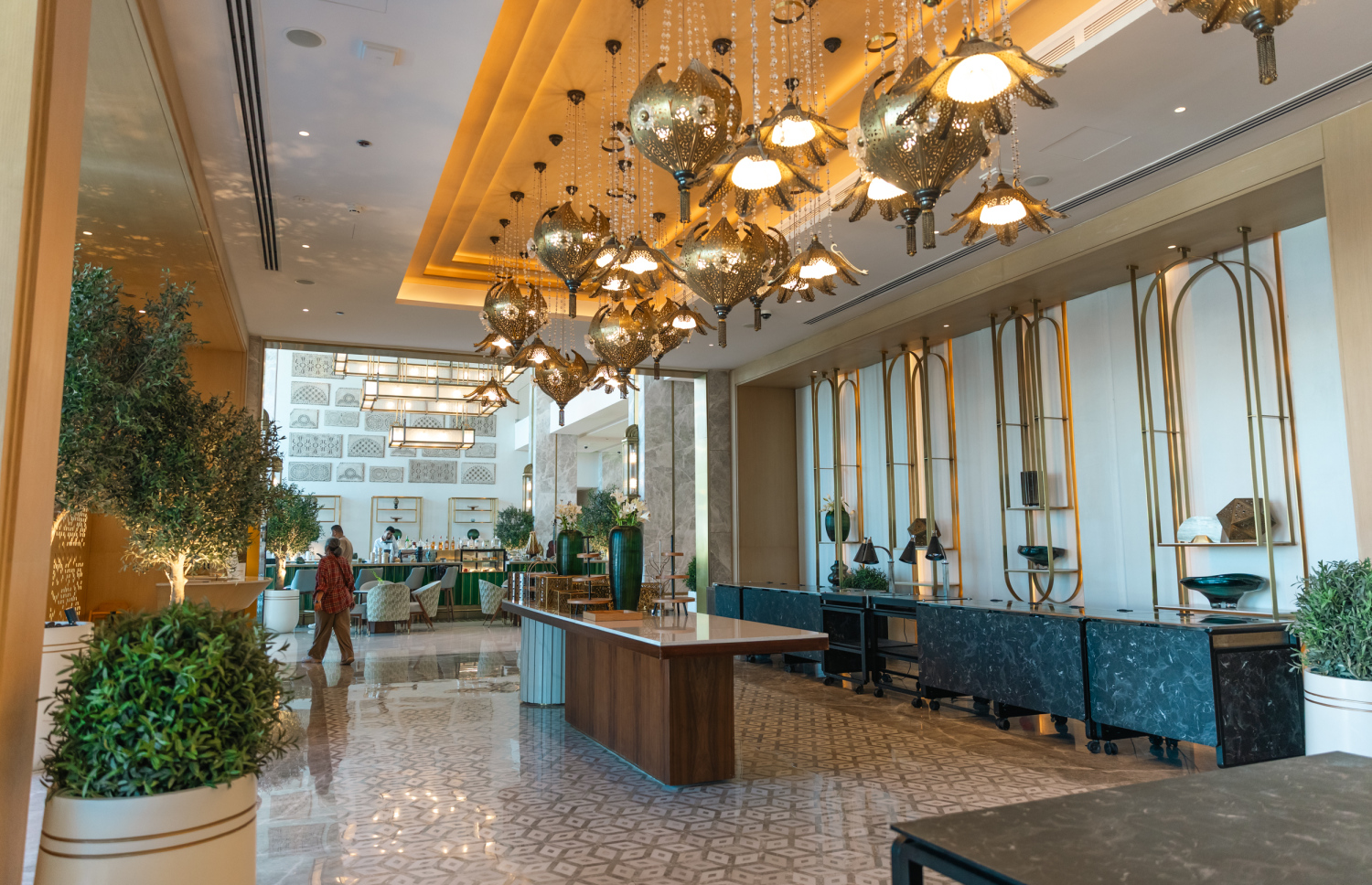
Marassi hosts 12 international hotels for tourists, each with its distinct identity, alongside 8000 residential units of various designs and styles.
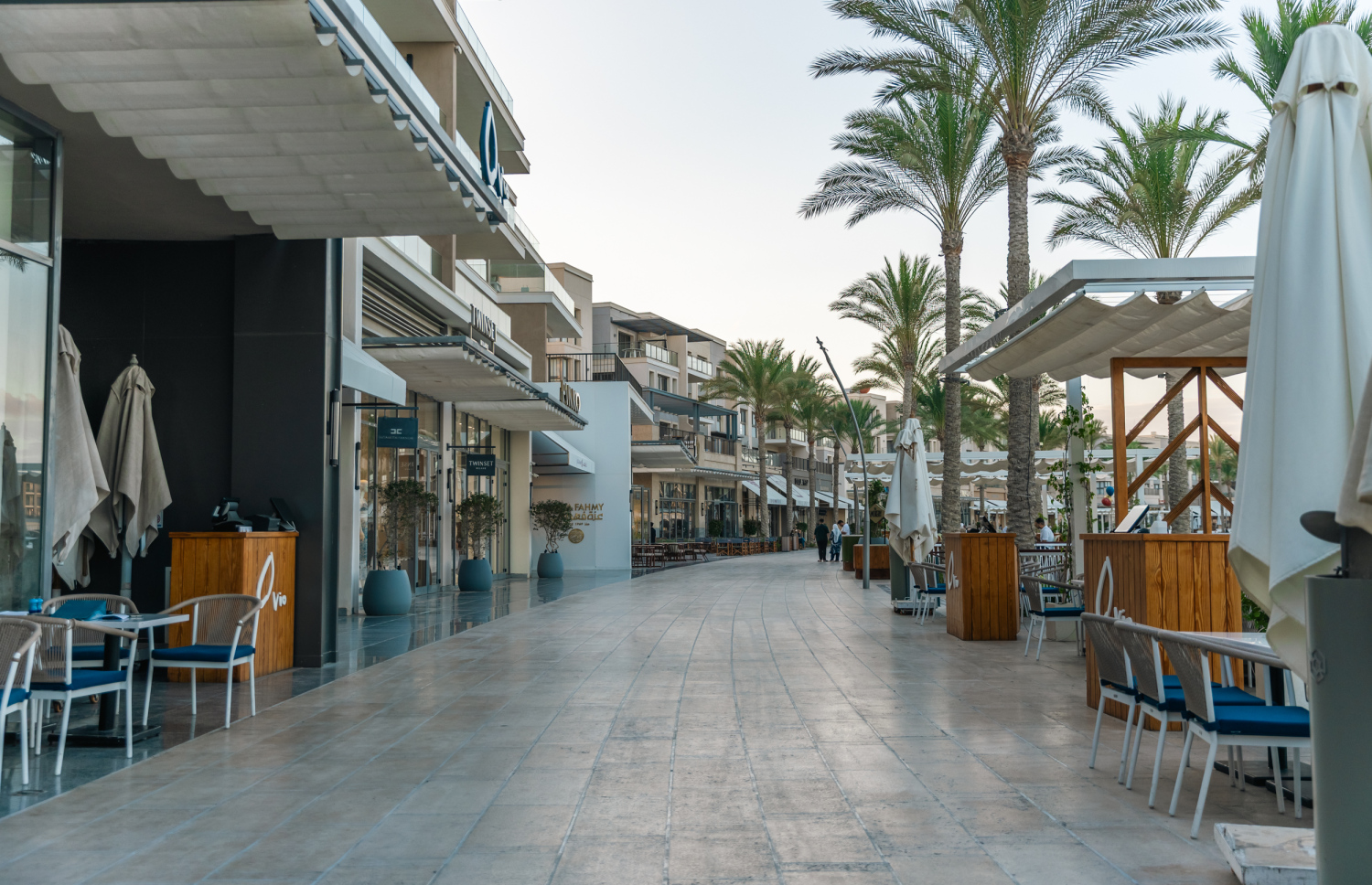
Also featured on the property are the Marassi Marina & Yacht Club, Beach Clubs, Golf Course, Marassi Water World, kids play areas, shopping and dining areas, a health facility, several beaches, and sports and activity facilities.
The property spans over 6.5 million sqm, with 63 percent of the total land (4.1 million sqm) left as open spaces.
Marassi welcomes 4 million visitors annually, with 30,000 hotel guests recorded per year.
The property has also introduced 500+ new businesses, of which 60 percent are retail.
The Marassi project was first launched in October 2007, with the first delivery marked in July 2010.
The property was designed and built primarily by locals, creating thousands of jobs while retaining a touch of authenticity.
The Egyptian economy has seen an investment of USD 3.7 billion through Marassi to date, which in turn has contributed USD 1.7 billion in revenue, along with USD 600 million in taxes, cumulative to 2026.
Consumer expenditure has expanded 11 fold. It has gone from USD 7.7 million in 2017 when retail operations first started to USD 87 million in 2024.
Land values have appreciated 4.6 times since acquisition, while property values have increased threefold since launch.
Land value stood at USD 211 million in 2007 when first acquired, to USD 972 million in 2024. Property value has appreciated from USD 2,200 per sqm in 2007 to USD 6,700 per sqm in 2024.
From old ways to new prospects
For decades, Maldives has been heavily reliant on our one island/one resort model: something which has brought immense success to the country and helped Maldives make its mark as a leader in hospitality.
However, times are changing and today’s traveller may perhaps look for more when booking their vacations. Sports tourism, wellness tourism, retail tourism, these are all emerging trends in the travel industry, and Marassi suggests that the Rasmale’ project could offer a one-stop destination for travellers looking for a more expansive experience during their stay.
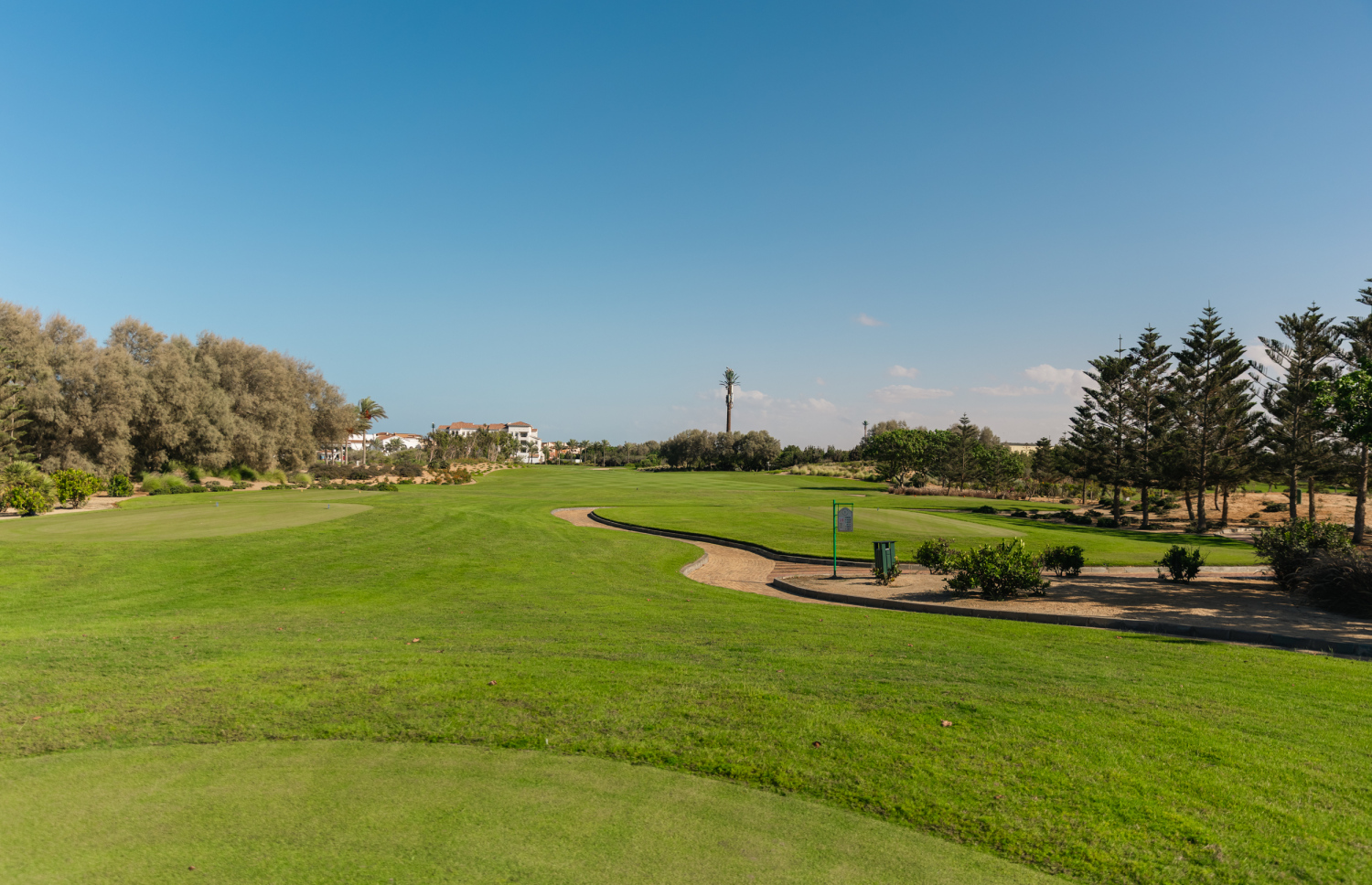
The world-class sports facilities proposed in Rasmale’ could place Maldives on the map as a destination for international tournaments, attracting enthusiasts and industry-related tourism alongside creating global opportunities for our own local athletes.
The marina would open doors to an as-of-yet untapped market, attracting more visitors and higher spending trends throughout the year. The marina at Marassi features a plethora of retail and food outlets, many of which are international brands, but refreshingly, with local outlets nestled in between, opening up new markets and increased opportunities for local entrepreneurs.
Marassi also hosts multiple entertainment events throughout the year, featuring local artists and supported by local vendors.
From local farms to international cuisine
Marassi’s 12 hotels, each with its own collection of restaurants and food outlets, takes immense pride in the fact that nearly all of the produce used in food preparation are locally sourced.
Fruits and vegetables, milk, meat, fish and seafood: everything comes from local sources, creating a reliable, continued source of income for the local community while ensuring freshness and quality for the hotels.
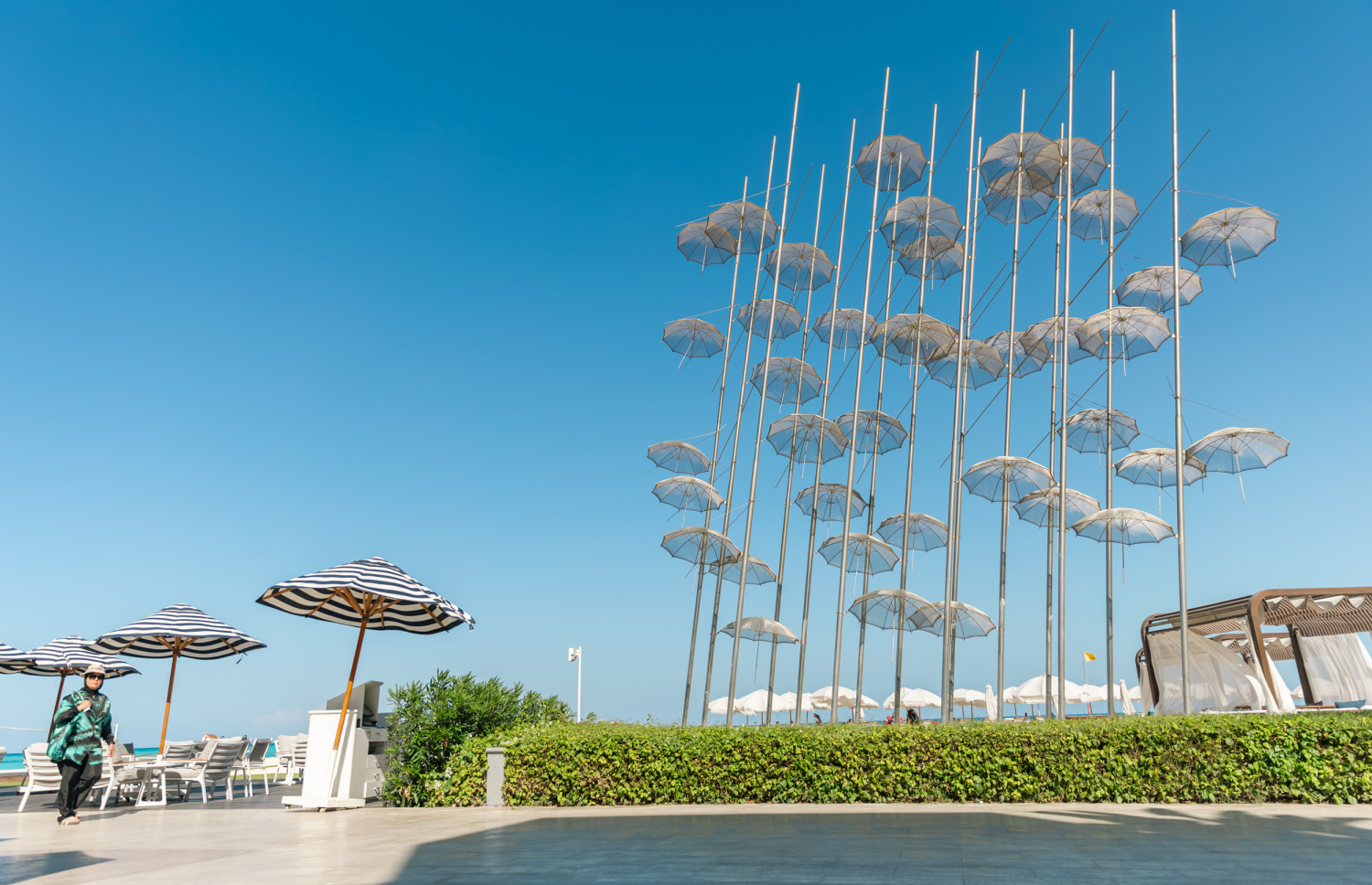
Avenues for contracts are also open to local suppliers and retailers, as the developers prefer using local suppliers as opposed to directly importing goods.
At present, Marassi works with 1,626 contractors and suppliers.
Residential homes
Marassi has over 8000 residential units, built in a number of small communities, each designed in a distinctive style.
Many of these are owned by Egyptians, some who live in Cairo and some abroad. The Marassi residential homes serve these families not as a permanent residence where they settle down and build lives, but rather as holiday homes in which they live only a select few months of the year.
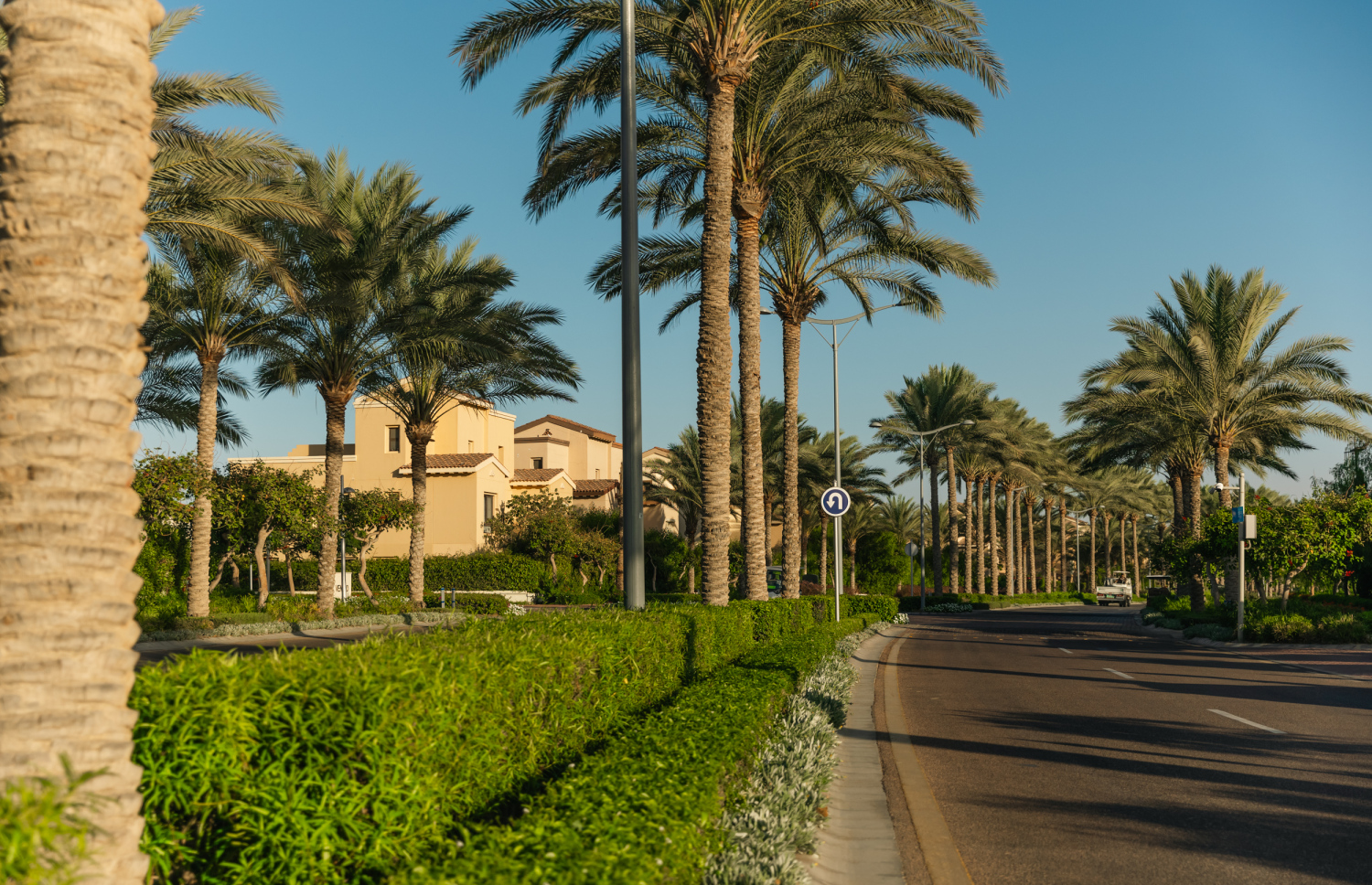
Property owners have the option of using their properties throughout the rest of the year however they choose, including renting them out as Airbnbs or otherwise.
None of the residential properties have families settled in for the long-haul.
However, long stays, often by large families, translate into higher spending throughout the facilities at the property.
Security, Law Enforcement and Public Access
Like all resorts and guest facilities, Marassi places high priority on ensuring security and safety on the premises. Marassi functions much like a gated community, with its own security personnel surveilling the premises round the clock.
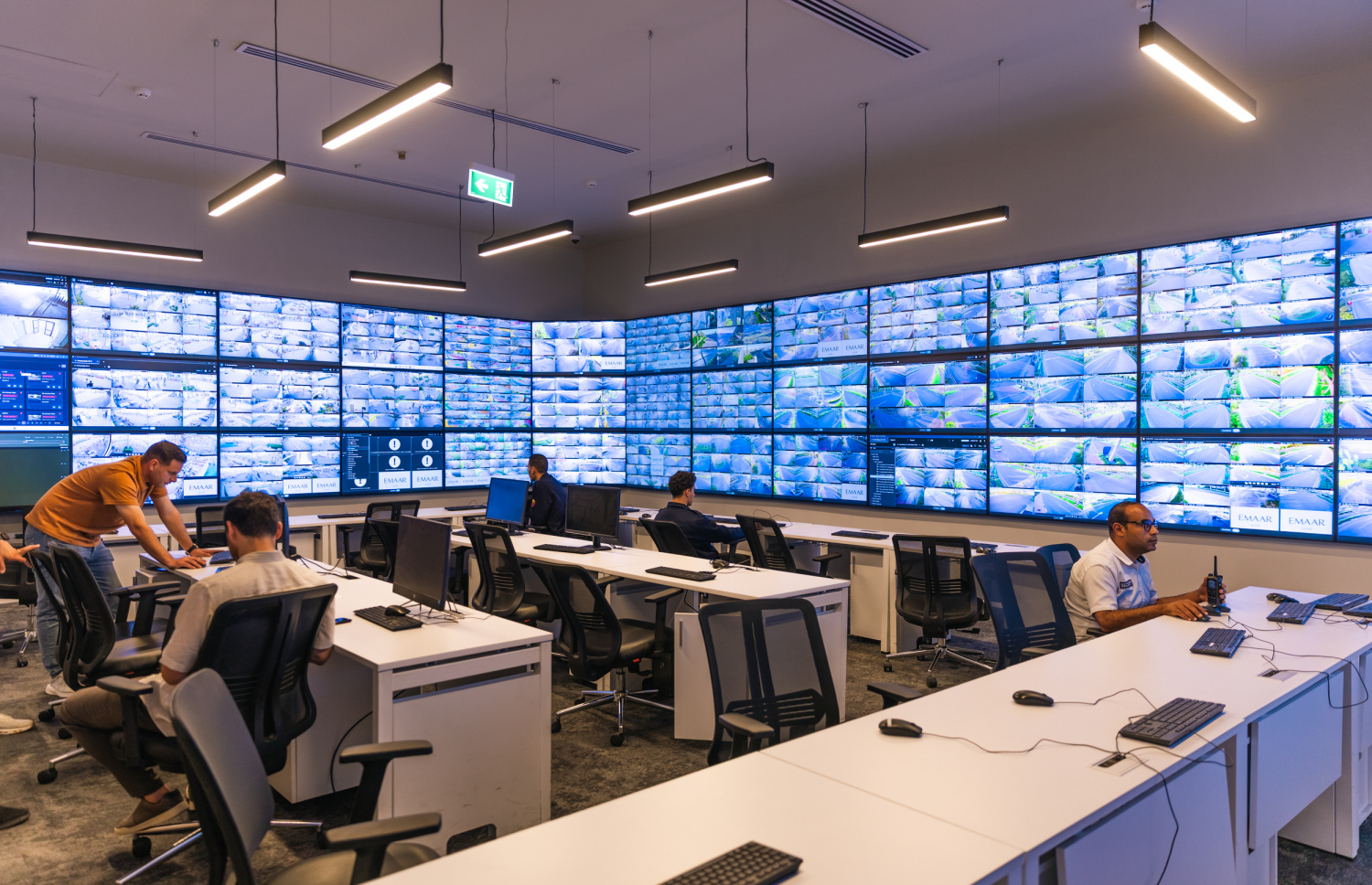
To say it is a gated community is not akin to saying that it is closed to the local community. On the contrary, locals are welcome to use Marassi facilities, with prior reservations at any outlet which will grant them access to the premises.
While at Marassi, we witnessed a local wedding at one of its resorts, with hundreds of guests. Guests who, after the party, were seen enjoying the facilities at the marina.
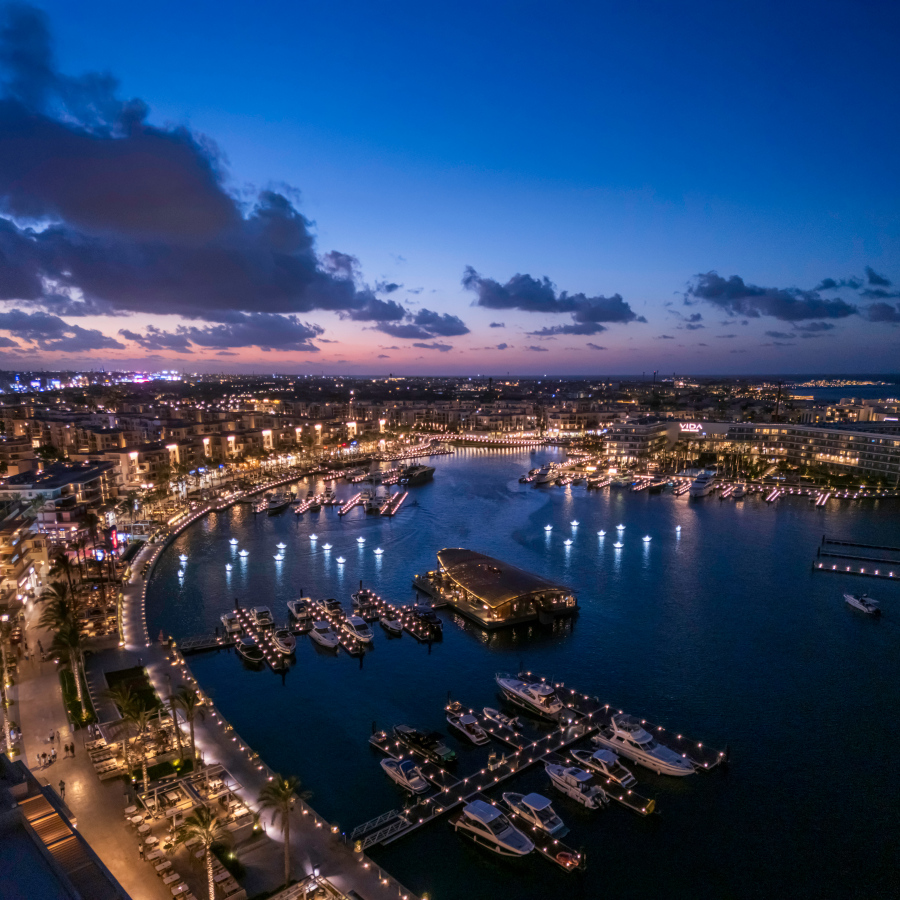
While Marassi has its own security team, the team collaborates closely with Egyptian police. During peak season, Egyptian police personnel join Marassi’s security team in monitoring security within the premises.
The security team clarified that while they oversee general security matters, any legal or criminal offences are immediately raised with local Egyptian police, who proceed with the cases in accordance with local laws.
The laws of Egypt apply within Marassi as well, without exception.
Working at Marassi
Jobs at Marassi are highly coveted.
Asked why, one front office staff, Nourah, said emphatically, “Because Marassi is the best, and it offers us the best. The whole of Egypt loves Marassi”.
Amy, a Guest Relations Officer, shared that she is originally from Cairo. Working at Marassi means she is able to go home, just a three hour car drive away, during low seasons and off days.
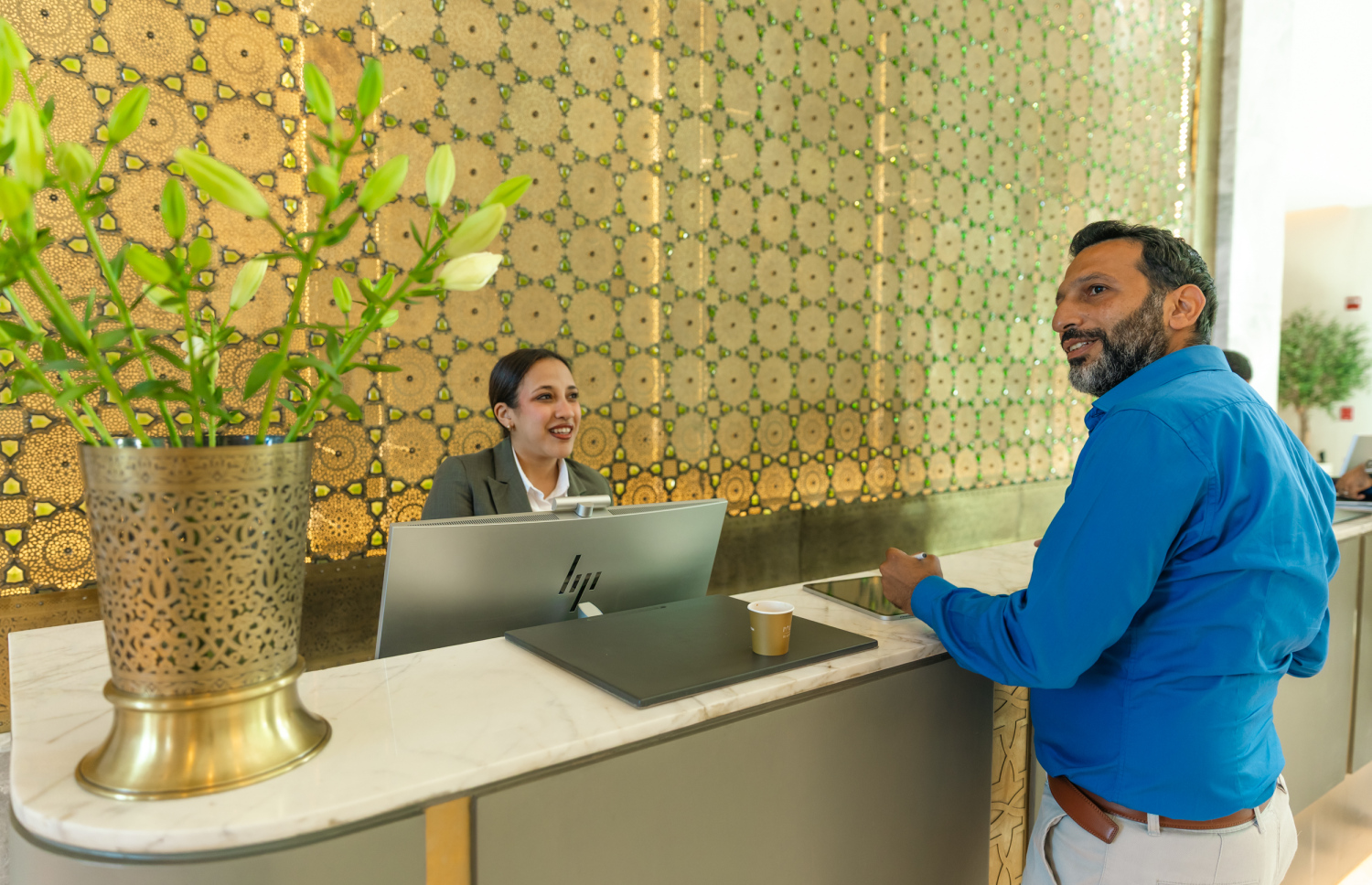
Upkeep, maintenance and operation of the large property takes the work of thousands of employees. Nearly all of Marassi’s employees are local.
Head of HR at Marassi shared that the company prioritizes hiring local talent, as they hold the deepest understanding of the country’s climate, history, culture and roots.
Marassi offers staff vast training and experiential opportunities, both in-house and at other Emaar properties across the world. They have recorded 8500 hours of job-specific training.
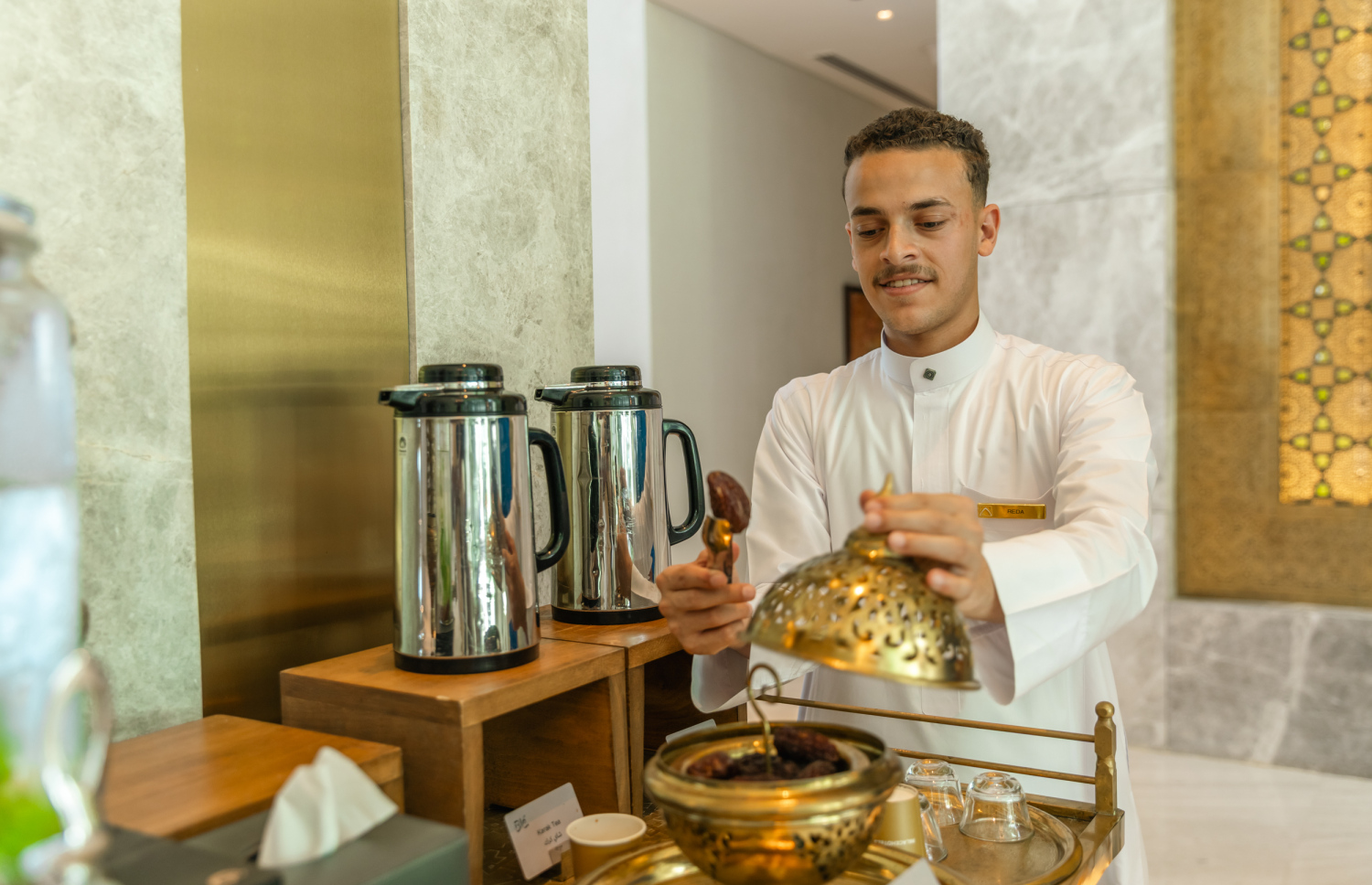
Marassi has now created over 130,000 jobs through its own operations on the property, not counting the dozens of other vendor-operated businesses on the premises.
With over USD 150 million spent on annual salaries and wages, Marassi has contributed to a threefold growth in average labour wages, and offers 30 percent higher staff wages than surrounding projects.
Giving back to the community
Marassi also gives back directly to the community through wide Corporate Social Responsibility initiatives.
They have contributed to developing schools and training centres, as well as sports and medical facilities in the neighbourhood, Sidi Abdelrahman.
Marassi has also built homes for the local community in Luxor and Sharqia.
They have also supported local NGOs working to aid children in need, including the Obour Home for Children in Need, youth orphans vocational training at Wataneya Sanad, and blind children training with True Light Society.
Marassi also contributed towards developing the Ahl Masr Burn Hospital and Children’s Cancer Hospital.
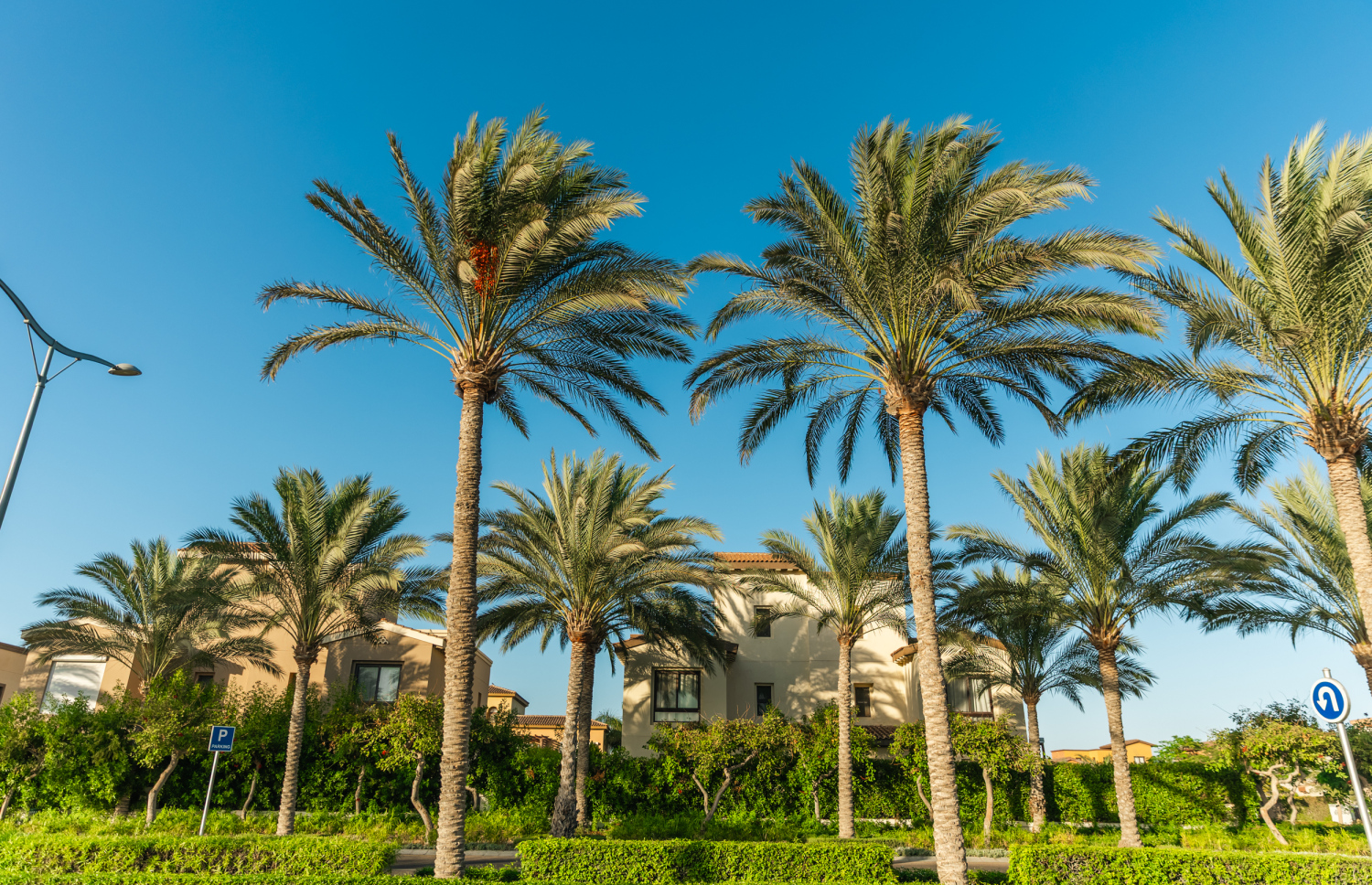
Environmental sustainability is also at the core of what Marassi does, with the company having now planted 5,000 palm trees, 30,000 plants and 20,000 cacti and succulents.
Through its smart infrastructure, Marassi also ensures a reliable and self-sufficient supply of potable and irrigation water for the community’s daily needs.
Annually, Marassi produces 5.8 million cubic meters of fresh water, and 1.2 million cubic meters of recycled water.
Beyond CSR, Marassi has also been at the helm to promote Egypt’s North Coast as a popular tourist destination. Since Marassi opened its doors, several other businesses have cropped up nearby, and entire communities have built homes in the neighbouring area, made possible through increased employment opportunities and general development of the outlying areas.
Nearby Alexandria also now hosts an international airport, welcoming thousands of visitors annually.
Here, we have outlined what we learned from the visit and through interviews with the team at Marassi. Comparing the ground reality in Marassi, Egypt, with what could potentially come to the Maldives, we leave up to you.


