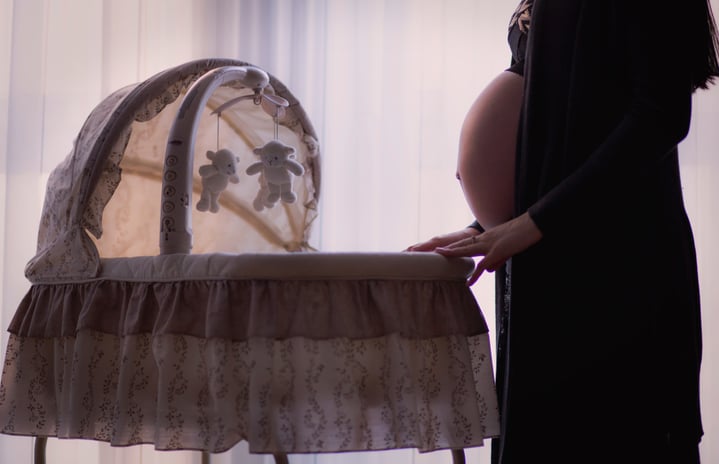
In the chaotic race to build a socially approved life, every couple eventually faces the threshold of parenthood, whether driven by pure joy or the quiet weight of expectation. Either way, it remains one of the most intense and transformative journeys anyone can take, with every family encountering challenges that feel deeply universal, yet profoundly personal.
This transition reveals the true weight of parenthood, cutting through the romanticized image to expose its messy reality. The collapse of control shifts you from predictable schedules to being consumed by a new child's needs. It's a paradox of joy and intense exhaustion, along with the silent grief of your former self.
Navigating the leap into parenthood can feel like stepping into a void of unanswered questions, especially when healthcare conversations during routine checkups lean heavily on brief, clinical check-ins rather than holistic education. Across the Maldives, from major hospitals to regional facilities, new and expectant parents frequently share common feelings unprepared for the practical realities of birth and newborn care.
The knowledge gap: What healthcare providers often miss
Routine prenatal visits are crucial for checking blood pressure, measuring fetal growth, and conducting standard ultrasounds. However, key conversations about what actually happens in the delivery room and during the immediate postpartum days are often left out.
- The Lactation Process: Many mothers are simply told that "breastfeeding is best," without receiving guidance on how milk production works, how to achieve a proper latch, or how to handle common issues like engorgement. When milk supply doesn't immediately flow on day one, panic often sets in, purely due to a lack of prior explanation about colostrum.
For new mothers, breastfeeding can be a painful process in the early days. The weight of new responsibility, coupled with anxious thoughts like "Am I feeding enough?", can easily cloud the mind, while the guilt of not producing enough milk can feel like an immovable object.
It is crucial to be educated on this topic before the baby arrives, not only for the mother, but for both parents. The father acts as the anchor holding both mother and baby in a stable, supportive environment during this delicate period.
- Epidurals and Timing: Epidural analgesia is widely available in major facilities like Tree Top Hospital and IGMH, yet many women enter labor without knowing what an epidural actually is or when it can be administered. Anesthesiologists typically require a specific window, usually when labor is established (around 4–5 cm dilation) but before the pushing stage (around 8–10 cm), along with preliminary blood tests.
Due to a lack of early counseling, many mothers request pain relief too late or make decisions while in acute distress. Advanced medical tools like epidurals can ease tremendous amounts of physical pain during childbirth; therefore, this is vital information parents should be aware of beforehand.
- The Father’s Role: Fathers are often relegated to administrative tasks or left waiting outside delivery rooms. Healthcare visits rarely educate partners on practical ways to offer support, such as helping with positioning during labor, recognizing signs of postpartum anxiety in mothers, or assisting with newborn skin-to-skin contact.
Culturally, fathers have historically had minimal involvement in delivery rooms, yet this is one of the key moments a partner should witness firsthand. Experiencing the immense effort a mother puts into bringing their child into the world fosters a deeply vital bond within the newly formed family unit.
- The first week of a newborn: Expectant parents often leave the hospital without knowing what is normal and what requires medical attention:
- Normal: Slight weight loss (up to 10 percent in the first few days), passing dark tarry stool (meconium) that shifts to yellow-green, frequent feeding cues (8–12 times in 24 hours), and cluster feeding.
- Not normal: Extreme lethargy (inability to wake for feeds), jaundice spreading down to the chest and legs, fewer than six wet diapers a day after day four, or a high fever (above 38°C/100.4°F).
The readily available resources locally
The Ministry of Health, in collaboration with global partners, provides structured national guidelines and digital booklets that offer vital information for expectant mothers and new parents in the Maldives.
Key among these is the National Guide for Antenatal and Postnatal Care, published by the Ministry of Health, which outlines standard care practices, screening timelines, and expected physical changes throughout pregnancy and the postpartum period. Additionally, A Guide to Breastfeeding, developed alongside UN agencies, breaks down essential topics such as milk production, proper latching techniques, and breast milk storage tips.
To further support growing families, several civil society organizations, government bodies, and private hospitals provide dedicated guidance, education, and clinical services across the country. The Society for Health Education (SHE), reachable at she.org.mv or (+960) 332-7117 / (+960) 301-3810, serves as a leading non-governmental organization offering counseling, reproductive health services, and parental education sessions.
Major medical facilities also step in with specialized care: Tree Top Hospital (treetophospital.com / Hotline: 1610) offers birth care packages along with organized antenatal and birthing classes covering pain relief, labor stages, and infant care, while Indira Gandhi Memorial Hospital (IGMH / Hotline: 1600) provides specialized pediatric and lactation consultations through its public health clinics as the primary public center for high-volume deliveries. For mothers in the southern region, Addu Equatorial Hospital (aeh.gov.mv) offers complimentary antenatal classes and dedicated lactation advice.
Pregnancy & Newborn care: Myth vs. Fact
Common cultural myths often obscure evidence-based care. Some beliefs have been practiced over generations without any medical backing or results thereof. Let’s look into medical consensus says regarding frequent local pregnancy myths:
Myth: Drinking cold water during pregnancy causes the baby to catch a cold or makes labor harder.
Fact: Fluid temperature does not affect fetal body temperature or labor outcomes. Staying well-hydrated with clean water, cold or ambient, is vital for maintaining amniotic fluid levels and preventing premature contractions caused by dehydration.
Myth: A newborn needs water alongside breastmilk in hot tropical weather like the Maldives.
Fact: Breastmilk is over 80 percent water and provides all the hydration a newborn needs, even in humid weather. Giving water to an infant under six months can disturb their delicate electrolyte balance and cause brain swelling.
Myth: Shape of the baby bump or severe morning sickness indicates the baby's gender.
Fact: Bump shape depends on maternal abdominal muscle tone, uterine shape, and fetal position. Morning sickness is linked to rising pregnancy hormones (hCG), gender can only be accurately identified via ultrasound or genetic screening tests.
Entering parenthood
Whether by deep personal desire or subtle societal expectation, it is a universal trial that can nonetheless feel profoundly isolating, especially during the quiet, overwhelming hours of 3:00 AM.
Ultimately, parenthood demands an extraordinary measure of raw endurance, deep personal transformation, and emotional surrender. While the medical system often focuses on clinical checkpoints, bridging the knowledge gap through evidence-based guidance, partner involvement, and local support networks empowers families to replace fear with confidence. By simplifying pain management options like epidurals, normalizing early lactation struggles, unlearning outdated myths, and inviting fathers into the birth experience as active pillars of support, we shift the narrative from mere survival to shared strength.
Equipping yourself with every available resource and understanding the physical realities long before stepping into the delivery room transforms this chaotic transition into what it was always meant to be: a deeply meaningful, informed, and joyful journey taken together.


