
Whenever you pass by any shopping street or browse through a social media feed, the deals available look almost irresistible, such as having your entire wardrobe renovated for the cost of a week's worth of groceries. New fashion styles appear every day, micro-trends last for about a week, and ads that are targeted by algorithms promise that you can achieve immediate reinvention with just a single click.
However, behind this appearance of democratized luxury there lies a disturbing reality. Fast fashion companies are not really in the business of selling clothes; they are selling accelerated obsolescence, temporary dopamine rushes, and validation of one's identity. Since the global textile industry produces more than 92 million metric tons of waste each year, the hidden costs; psychological, financial, and environmental, are borne long after the shopping bag has been thrown away.
What do fast fashion brands really sell?
If one is to understand the rise of ultra-fast fashion brands, those which have thousands of new products uploaded every day, then one has to go beyond the polyester and acrylic fibres, since these companies sell cheap novelties under the guise of accessibility.
They take advantage of a fundamental human desire, the desire for status and a sense of belonging, by offering luxury-style designs at a much lower cost. However, their business approach is based on deliberately introducing physical and aesthetic frailty. The clothes are deliberately made using thin synthetic fabrics, with loose stitching and unstable dyes which are meant to break down after just a few washes.

The psychological bait-and-switch at the heart of the fast fashion value trap is that although companies depict their low prices as a way of making fashion more accessible, in reality they are selling temporary identities and immediate confirmation of one's status, all packaged in man-made materials which are short-lived. By producing clothes that are designed to be physically and aesthetically fragile, these firms convert clothing from a durable asset into a disposable product.
As a result, consumers find themselves in a constant cycle of buying items that break down or go out of fashion after only a few uses, pursuing a short-lived sense of satisfaction which disappears almost as soon as the purchase has been made. In the end, this pattern results in a hidden financial burden for households while passing on to local ecosystems and future generations the huge, invisible environmental costs, such as pollution of the oceans with microplastics and a rise in greenhouse gas emissions.
If a dress costs less than a cup of artisanal coffee then it ceases to be an asset and becomes something disposable. Instead of offering lasting utility, the brands are selling a temporary feeling and thus make sure that the customer goes back to the store as soon as that feeling disappears.
The local toll
Although the global system of fast fashion makes use of international supply chains, the harm from it affects communities directly at the local level all over the world.
Financial and Economic Impact
The misconception that clothing is cheap masks a financial burden on households. Consumers now buy 60% more clothing than twenty years ago, wearing each item only seven to ten times before discarding it. This leads to significant annual spending on items with no resale value. Additionally, local markets in developing countries, particularly in sub-Saharan Africa and South Asia, suffer as millions of tons of low-quality discarded clothes are exported under the guise of second-hand trade, undermining local tailoring and textile industries.
Environmental Footprint
Localized environmental damage from micro-plastic contamination is immediate and severe. Over 60 per cent of fast fashion garments use synthetic fibers derived from fossil fuels. Each wash can release up to 700,000 micro-plastic fibers into wastewater, accumulating in ecosystems and the human food chain. Textile dyeing is the second largest cause of freshwater pollution, with 2,700 liters needed to produce one cotton T-shirt.
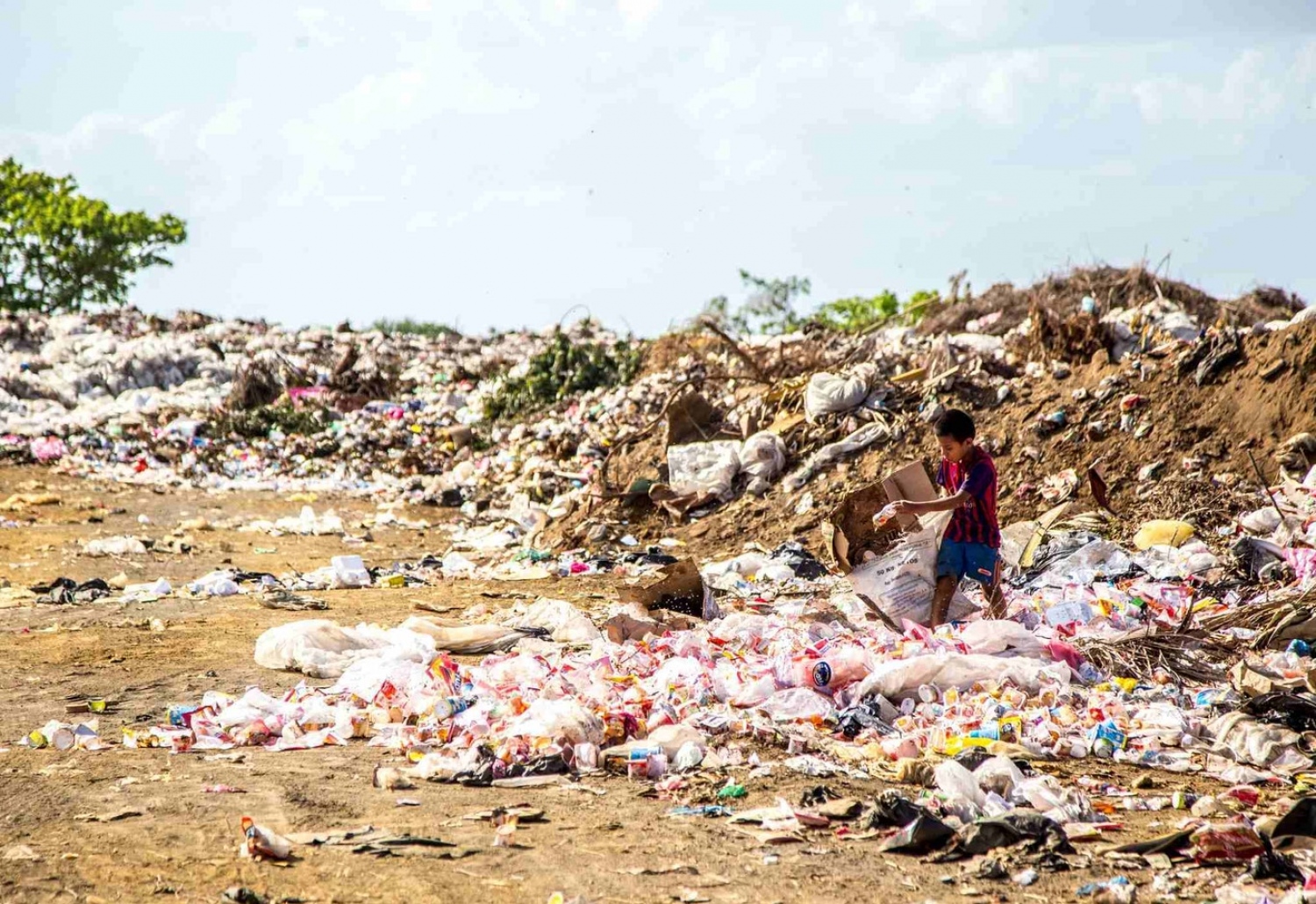
Untreated wastewater often contains toxic heavy metals and dyes, making freshwater sources dangerous. Landfills are overwhelmed by synthetic textiles, taking up to 200 years to decompose and releasing toxic chemicals and methane that harm air quality and increase waste management costs.
The materialism in the digital age
The fast fashion industry is not powered merely by supply; it is instead driven by psychological weaknesses that have been deliberately introduced into modern consumer culture.
The "Hedonic Treadmill" which is a psychological phenomenon according to which people quickly get used to new possessions and then return to their usual level of happiness a short time after having obtained something new, lies at the heart of hyper-consumption. Fast fashion companies take advantage of this baseline by continually changing fashion trends so that the style that was popular yesterday becomes a social misstep today, thus creating a constant fear of missing out (FOMO) and of social exclusion.
Hyper-consumption operates as a feedback loop driven by short bursts of dopamine and artificial scarcity. Ads and social media trends spark desire, leading to impulsive purchases. However, due to hedonic adaptation, excitement fades quickly, leaving consumers wanting more. Fast fashion accelerates this by introducing micro-trends, creating an "identity gap" that makes current wardrobes feel inadequate. Buyers, fearing exclusion and seeking instant gratification, continually buy new clothes in a futile attempt to satisfy an ever-elusive need.
Social media algorithms reinforce this situation. By means of 'haul' videos in which influencers show off the large number of garments they have just bought, they present excessive consumption as something normal and worthy of aspiration. Instead of being a window onto the world, the screen becomes a constant and targeted digital shopfront.
In the digital age, since identity has become more and more performative, there is an underlying implication that repeating the same outfit on a carefully selected social media feed amounts to a failure in terms of status. The consumer then finds themselves trapped in a situation where their self-worth is sought within a wardrobe that is always incomplete.
Psychological trap of overconsumption
The ultimate result of this psychological trap is a global crisis involving overconsumption, storage, and disposal.
The scale at which the global fast fashion industry operates goes well beyond what the Earth can absorb, with over 100 billion garments being produced each year. Less than 1 percent of the materials used in making clothing are ever recycled into new clothes, the majority of these resources are permanently lost, leading to an ongoing ecological crisis caused by excessive consumption and the existing system of waste.
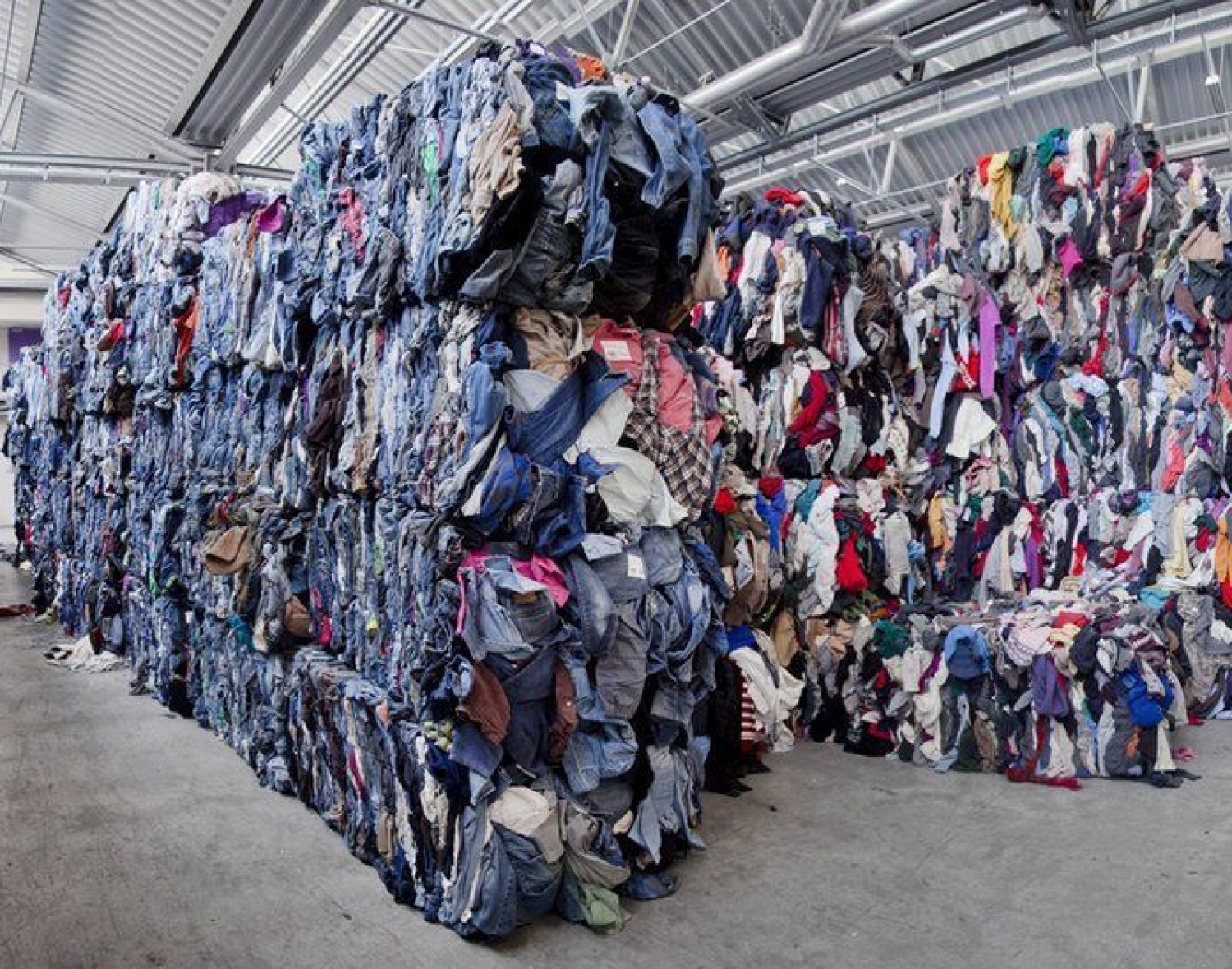
This has changed both personal space and the systems for handling waste. In developed countries wardrobes are full of clothes that have never been worn; research indicates that as much as 50 percent of the typical closet contains items that are completely unused. This phenomenon of 'passive hoarding' is due to the small financial cost of acquiring things: since the item was cheap, the choice to buy it needed only a minimal amount of thought, and there is no immediate consequence to the decision to keep it sitting in a closet.
However, when closets eventually end up overflowing, the waste management crisis starts. Everywhere in the world, one garbage truck's worth of clothing is dumped in landfills or burned every single second. Only less than 1 percent of the material used to make clothing is recycled into new clothes. Most of the discarded clothing is either burned, releasing hazardous greenhouse gases and toxic particulate matter into the atmosphere, or is sent to open dumps in poorer countries that are least capable of dealing with it.
Toward a mindful future
The harm caused by fast fashion can only be reversed through comprehensive reform and a change on the part of individuals.
Legislative frameworks, for example those which require Extended Producer Responsibility (EPR) to be mandatory, should compel global fashion brands to pay for the collection, sorting and end-of-life recycling of the materials they place on the market. At the same time, companies must be made accountable for making false 'greenwashing' claims, with synthetic polyester marketed as 'recycled' not being obtained simply from used plastic bottles but instead being based on true textile-to-textile circularity.
For each person, the solution to the problem of fast fashion is to consciously revert to value. This can be achieved by adopting ideas such as the "30 Wears Rule" (that is, checking whether a piece of clothing will be worn at least 30 times before purchasing it), by giving priority to natural and durable fibres, by taking part in the repair of garments, and by supporting circular markets that deal in second-hand clothing.
Fast fashion promises effortless self-expression, but delivers environmental degradation and psychological fatigue. True style does not require a weekly haul; it requires stepping off the treadmill of hyper-consumption and recognizing that real value cannot be mass-produced on an assembly line.


