
Transforming a typical study routine into a more relatable, and driven means grounding the science of studying in the actual, everyday realities of the O'Level grind. To achieve this, it is important to construct specific student perspectives, localized experiences, especially for those balancing school, tuition, extracurricular activities, and the unique environment in Malé City, and peer-to-peer advice. By incorporating these voices, this article aims to shift basic study guidelines from a top-down instructional guide to a community-driven survival manual.
What's your study personality?
Determining how you naturally approach your books is the vital first step in transforming your routine, a reality that many local students face when trying to improve their grades. Saara Mohamed, the 2025 Abaarana House Captain at Rehendhi School shares a vulnerable look into breaking free from the habits of a classic "procrastinator". She admits that students, including her, used to put off their revision constantly, which ultimately caught up with them during the first term of Grade 10 when they received pretty average exam results. It was a wake-up call that completely shifted their mindset, sparking a deep motivation to turn things around before the official mock exams arrived.
The transition from a relaxed procrastinator to a driven, goal-oriented student was fueled entirely by the reality of the upcoming tests. "The fear of not being able to do well in the mocks pushed me towards working harder to attain my goals," Saara reflected, highlighting how she consciously chose to stop wasting valuable time. Navigating the demanding student schedule in the chaotic environment of citylife meant finding hidden windows of time to study outside of the classroom. To maximize every hour available, to practice past exam papers during her daily bus commute to and from school, proving that identifying once your study flaws can successfully push you to outwork your old habits.
The science of smarter studying
While most students think that preparing for an exam simply means locking themselves in a room for hours on end, the truth is that more time spent studying does not always equate to better results. Saara Mohamed, the 2025 Abaarana House Captain at Rehendhi School, emphasizes that high-impact efficiency matters far more than endless, exhausting hours. For subjects that require deep focus but are easy to drift away from, like Mathematics, Saara recommends utilizing the Pomodoro technique to break study intervals into manageable, high-intensity blocks. For content-heavy subjects like Chemistry and Biology that demand intense memorization, she advises creating personalized flashcards to actively lock down the most important points.
Shifting from standard memorization to active learning also involves tapping into peer dynamics and modern digital tools. Ismail Izuan Ibrahim, the 2025 Rehendhi School Deputy Captain, shares that technology can be a massive asset if used correctly.For analytical subjects like Math and Physics, Izuan suggests asking "what-if" questions and reviewing past papers, while for subjects like Islamic studies, he advocates starting early to memorize text and "dhaleeluthah" (Ayah/Hadith) on a regular basis, even practicing active recall by testing himself on complex book titles whenever he was "outside the house and bored."
Leveraging technology properly is another core pillar of studying smarter rather than harder. Izuan notes that while AI platforms like ChatGPT used to make occasional mathematical mistakes, its accuracy has improved tremendously, making it highly useful "to find explanation for answers" and to "form mnemonics." However, because AI can still wander out of syllabus boundaries, he cautions against using it to blindly look up answers, suggesting students use it instead to grasp the step-by-step logic behind application-level questions. He also points out that watching online videos or reading articles about real-world concepts such as researching actual machines built using transformers and motors after a Physics class, helps "allow you to think more deeply on the subject and its practical uses" in his words, while naturally boosting subject-related vocabulary.
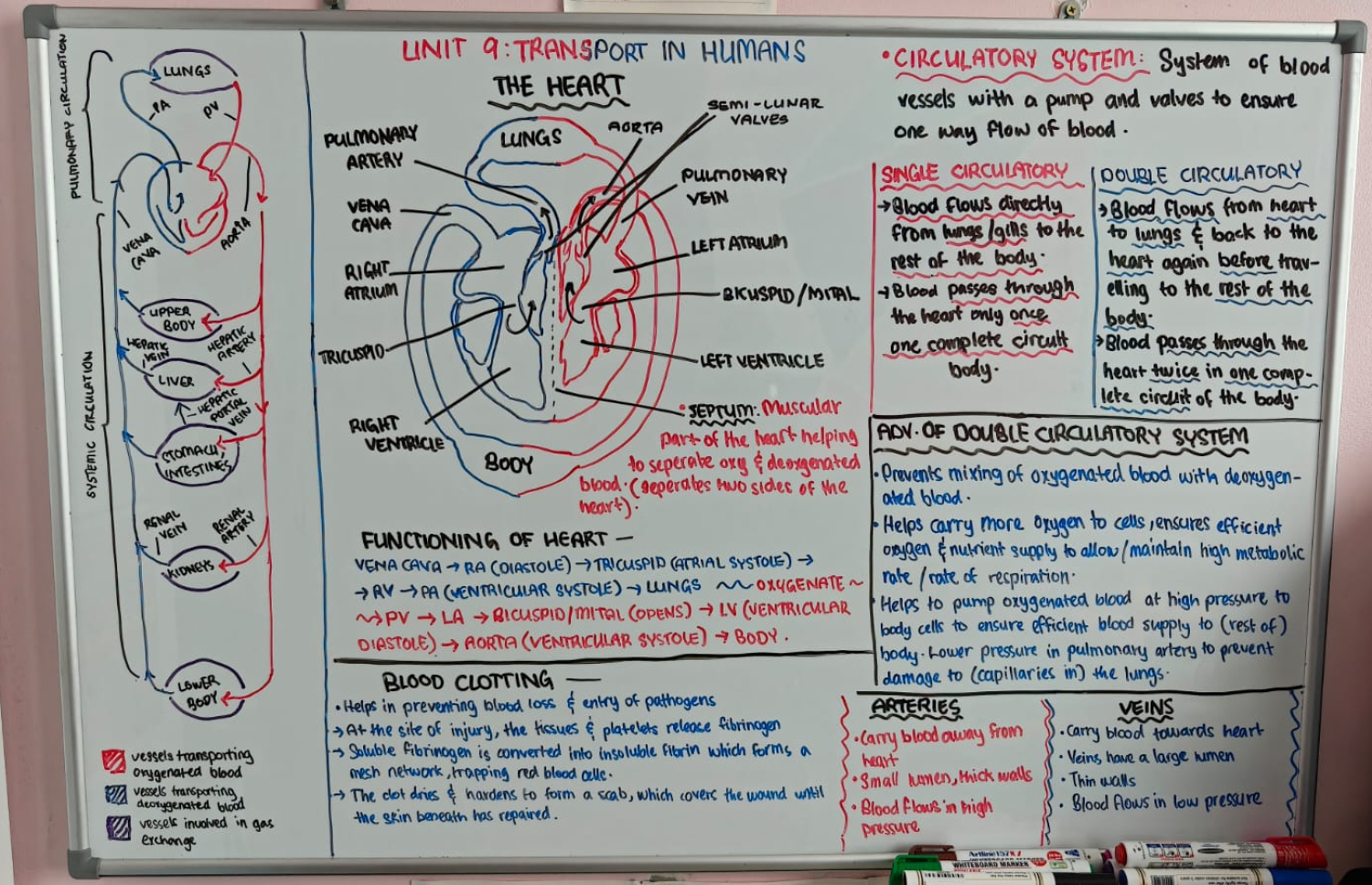
However, some of the most powerful scientific study habits happen through collaborative peer learning. Both Saara and Izuan highlight that explaining tough concepts to classmates acts as an immediate test of knowledge because it forces you "to retrieve information on the spot, leading to active learning." This process quickly exposes hidden flaws in your own understanding, allowing you to eliminate major syllabus misconceptions, like confusing how convex lenses correct sight, misapplying the simple interest formula, or forgetting that aquatic plants photosynthesize.
By actively debating answers with fellow classmates, comparing different problem-solving methods, and even auditing the past papers of older siblings, students can build the mental flexibility needed to choose the fastest methods and save precious time during the actual exam.
Simulating the real deal
Conquering exam anxiety and building real endurance requires shifting your mindset from casual revision to strict exam replication. For this critical part of study method, Fathimath Ibaana Ibrahim, the 2025 Rehendhi School Deputy Captain, shares the precise, battle-tested strategies she used to prepare for her final O'Level exams. Rather than just reading through notes, Ibaana structured her study environment to match the exact pressure of the official examination hall. To drastically improve her time management, she started a strict timer for every single past paper she attempted, training her brain to pace itself before the clock ran out.
Building true exam stamina also meant eliminating the modern temptations that break concentration. Ibaana made a conscious effort to avoid all distractions, completely putting away her phone while practicing to ensure total focus. She didn't just solve questions casually; she practiced extensively using past mock papers to become deeply familiar with the specific phrasing of exam-style questions. When it came to evaluating her work, she took an uncompromising approach by marking her own answers strictly, looking at her errors just like a real external examiner would.
Ultimately, simulation is nothing without careful follow-up and tracking. After finishing a paper, Ibaana spent time reviewing it thoroughly to identify her exact mistakes, ensuring she wouldn't repeat them on the big day. She paired this with a highly organized tracking system, checking off the official syllabus content line by line after revising each topic.
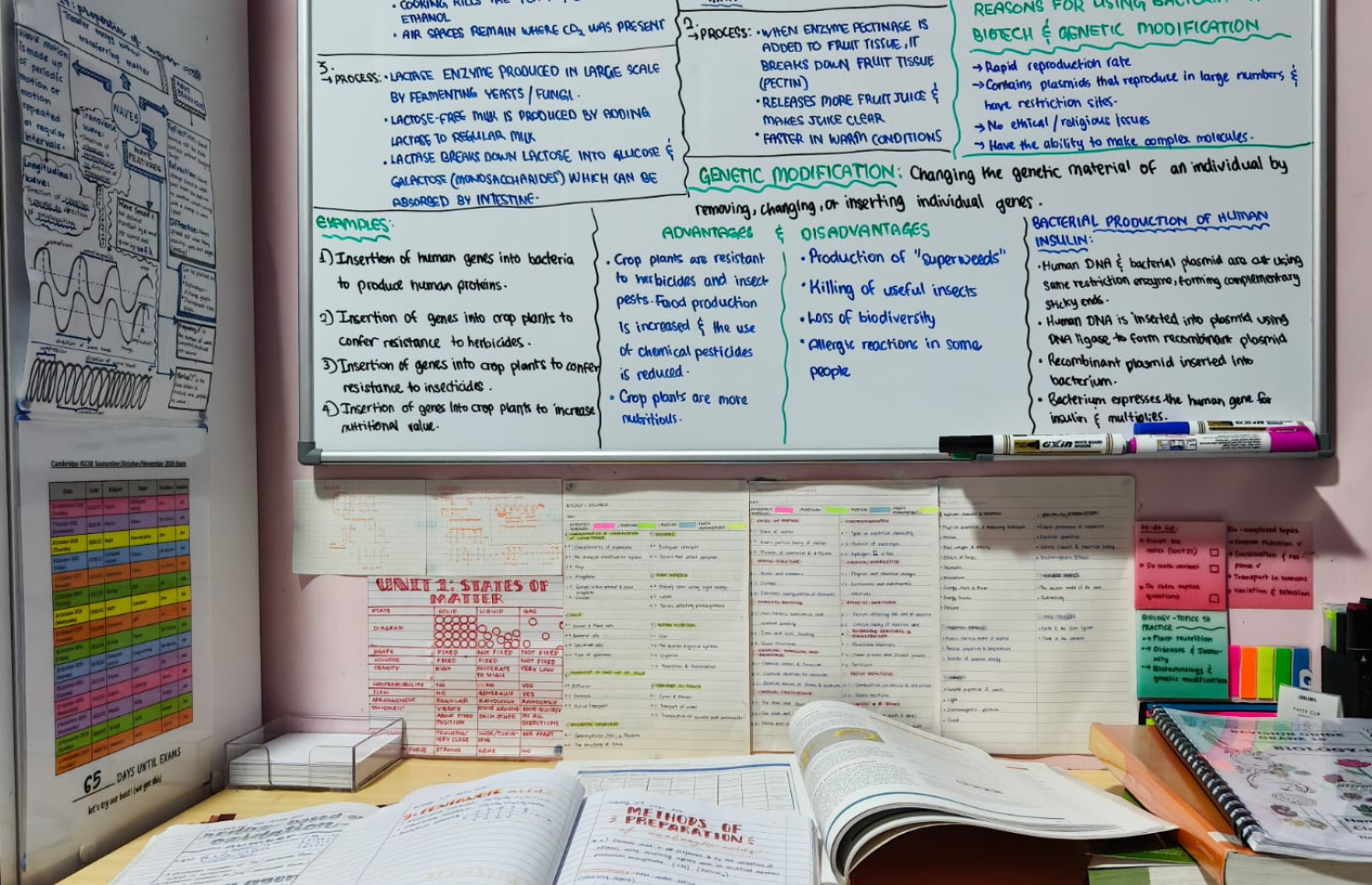
This allowed her to visually map her progress and pinpoint the precise areas that still needed improvement, proving that success is built by treating your study desk like the actual exam hall long before the papers arrive.
The mistake journal
True academic growth requires a complete shift in how we view our failures, transforming them from sources of frustration into valuable learning opportunities. Sarah Binth Shafeeu Thaufeeq, the Rehendhi School’s current Deputy Captain, opens up about navigating the intense stress and disorientation that comes with exam season. She admits that slipping up is a universal experience, noting that the number of times she felt deeply irked by silly mistakes on her own test papers is innumerable. When confronted with a page of jumbled-up formulae or long-winded answers that failed to hit a single mark on the official marking scheme, the natural temptation for most students is to simply cast the paper aside and forget about it entirely.
However, Sarah discovered that doing the exact opposite was the major turning point needed to elevate her academic performance. By actively analyzing her errors and deliberately jotting down the correct answers from previous exam papers, she was able to clearly understand her academic weaknesses. This practice provided her with a personalized, clear roadmap detailing exactly which topics required her focused attention and extra revision time.
Beyond the practical benefits of tracking her grades, this method completely reshaped Sarah's psychological approach to testing. Realizing that mistakes happen to everyone, and that these errors are vital tools for self-improvement, allowed her to successfully diminish her personal stigma around making mistakes. Sarah's experience proves that treating a marked paper not as a final judgment, but as a guide for future success, is one of the smartest ways to conquer O'Level anxiety and build lasting confidence.
Ultimately, mastering the O’Level grind does not require an overnight transformation of your entire life, but rather a commitment to mastering "the one thing" that can elevate your routine today. By tying these powerful student voices together, a clear blueprint emerges; you can shift from a stressed procrastinator utilizing hidden travel windows to study, to an active learner adopting Saara Mohamed’s focused Pomodoro blocks or Ismail Izuan Ibrahim’s tactical subject strategies. Success means stepping up to simulate the real deal alongside Ibaana by strictly timing your practice papers, while simultaneously adopting Sarah’s mindset to transform your worst exam blunders into a personalized roadmap for growth. As you face the upcoming exam season, take a virtual pledge to implement just one of these peer-tested habits right now, joining a community of students who are choosing to outsmart the syllabus, conquer test anxiety, and unlock their true academic potential together.


