
To bring a practical, real-world perspective to this pressing topic, I sat down with two seasoned fitness professionals currently working within the local fitness industry in the Maldives. With their insights, who bring a decade of coaching experience, and the second trainer, with seven years of hands-on personal training expertise, I was able to strip away the typical textbook advice to uncover what actually works for people with busy schedules packed with real life responsibilities. Their collective 15+ years of industry experience helped me to re-frame fitness not as an all-or-nothing luxury, but as a flexible, manageable commitment.
Therefore, this feature will combine their professional observations on changing mindsets, scheduling strategies, and individualized nutrition to help you successfully integrate health into a demanding daily routine.
When you’ve spent a decade training people on the gym floor, the single most common thing you hear is, "I just don't have time to work out." Between crushing work hours and family life, squeezing in a training session can feel completely impossible.
However, here is the truth: fitness is entirely relative, and it does not require a grueling two-hour block of your day. Physical health and mental clarity are directly locked together, meaning physical movement is a daily requirement for a balanced life. Unfortunately, society's massive shift toward desk jobs and convenience has brought a noticeable rise in obesity, high blood pressure, and heart issues.
Decades ago, our ancestors in the Maldives maintained lean, functional physiques without ever touching a barbell, simply because daily life demanded movement. Today, the stark contrast in activity levels between city life and island living shows exactly how much we have slowed down. Your health is the most valuable asset you own, and taking care of it is infinitely easier, and more effective, before a chronic medical condition forces you to change.
The biggest barrier keeping you from your fitness goals isn't your calendar; it is psychological. People get trapped in an all-or-nothing mindset, thinking that if they cannot execute a flawless, hours-long workout, they might as well do nothing. Contradictory to this belief, the best time to build a routine is right now, while you are healthy, rather than waiting for a medical wake-up call. If you are strapped for time, look at movement as a spectrum. A fast ten-minute walk, a quick set of bodyweight squats between meetings, or taking the stairs instead of the elevator all count toward your daily energy expenditure.
One single, consistent act of physical movement is infinitely better than zero. When life gets chaotic, stop worrying about duration and start focusing entirely on consistency, because those small pockets of movement compound into serious long-term health.
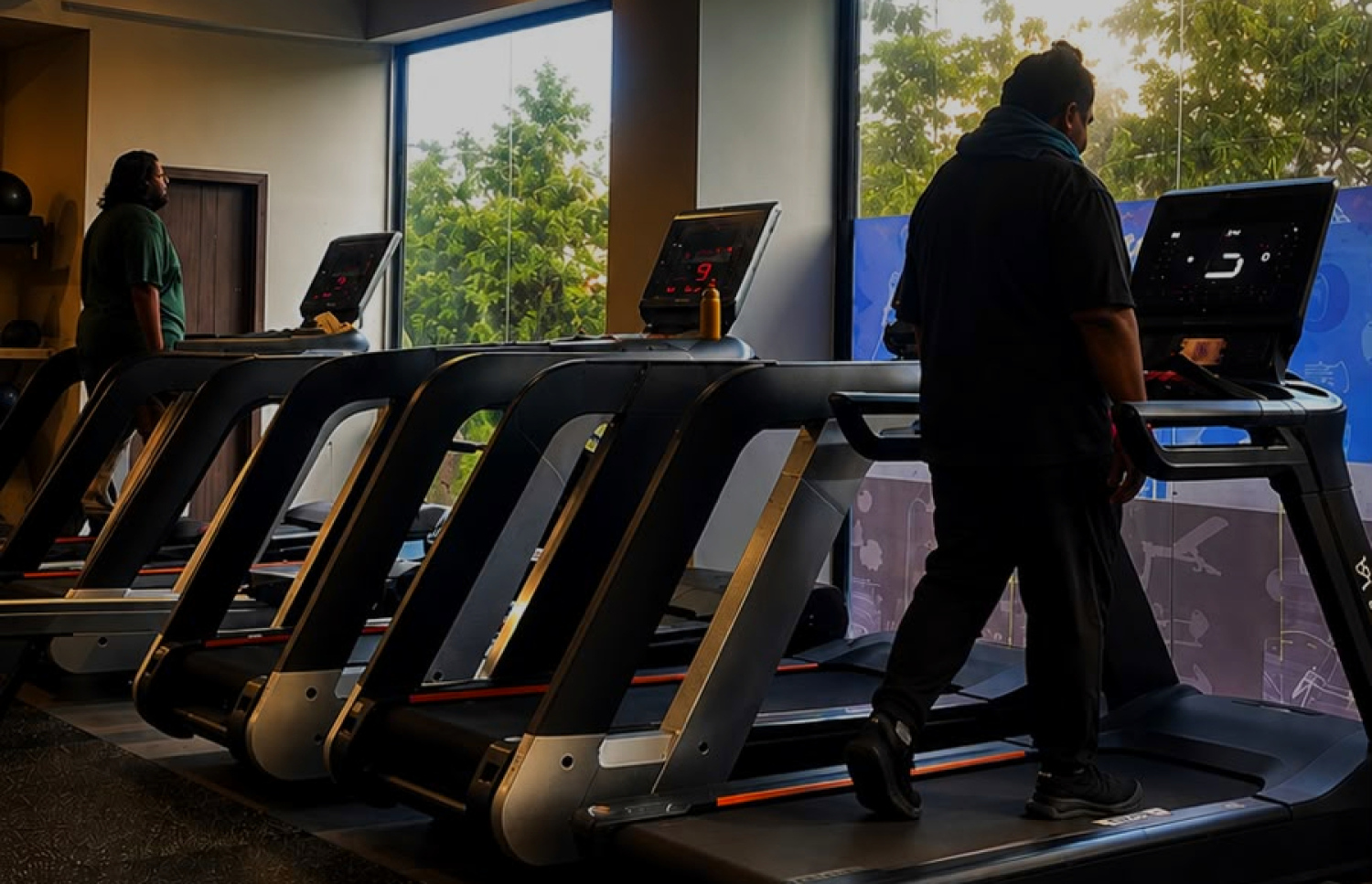
While breaking your movement into small bursts helps, the experts strongly encouraged their clients to build a bias toward carving out at least thirty uninterrupted minutes a day for dedicated exercise. Whether you prefer an early morning walk before the world wakes up, a quick lunchtime circuit, or hitting the gym straight after work before heading home, scheduling that half-hour is non-negotiable. Treat it like a critical business meeting with yourself. It is very likely motivation will fade on slow, exhausting days, but that is exactly when discipline matters most. On the days you feel sluggish, just commit to showing up and doing the first five minutes; more often than not, your energy will return once your heart rate goes up.
“When it comes to fueling your body, nutrition and exercise are two sides of the same coin, but nutrition is highly individual,” they noted. Diet is never a one-size-fits-all equation because your optimal intake depends entirely on your specific fitness goals, daily activity levels, and any underlying health conditions you might have.
Instead of chasing trendy, specific diet plans that promise quick fixes, focus fundamentally on the concept of a balanced diet. This means prioritizing whole foods, lean proteins, complex carbohydrates, and healthy fats that sustain your energy without causing crashes. For instance, back in the day, our ancestors heavily relied on what they grew as their food supply; therefore, the local diet was mainly inclusive of yams, sweet potatoes, fish and earthy rich fibers.
If you have specific health concerns or feel overwhelmed by where to start, it is highly recommended consulting a registered dietitian to build a plan tailored to your needs. Or in most common cases, if you decide to get a personal trainer, they usually offer more than just exercise routines, but also diet plans as well. At the very least, reach out to a trusted friend or family member who has legitimate, proven knowledge in the field to help guide your choices.
Ultimately, fitness is not about achieving perfection; it is about managing your personal circumstances. On an exceptionally busy day, choosing a balanced meal and hitting your thirty-minute movement target is a massive victory for your health. By letting go of the expectation of perfect workouts and focusing on small, actionable habits, you can easily protect your long-term health, boost your daily energy, and maintain your mental and physical well-being.


