
When Caron Röhsler arrived in 2019 as the British Ambassador, the Maldives was a country far from her home and entirely foreign to her in every sense. However, upon her arrival, she noticed certain similarities between the cultures of the two nations. Among these, the Maldivian tradition of afternoon tea earned a truly special place in her heart.
On the day she visited the Maldivian Embassy in the UK before flying to the Maldives, she was welcomed with an afternoon tea that included Maldivian hedhikaa (short eats). However, it was only after she began living in Malé—and started receiving frequent tea invitations—that she realized just how vital this ritual is to Maldivian life.
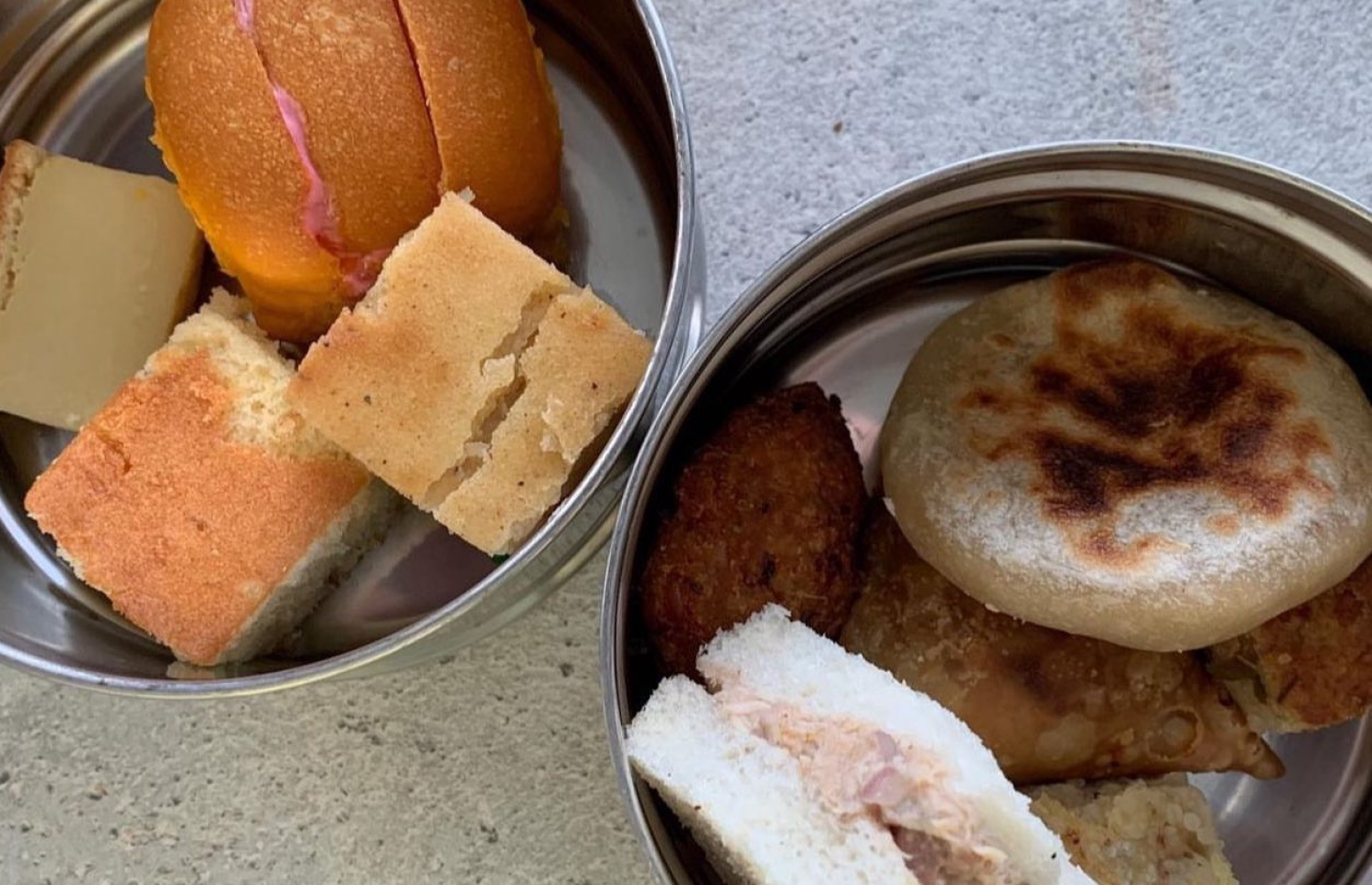
“As a Brit, one of the Maldivian customs I can most enthusiastically connect with is afternoon tea. Just as the afternoon dips and energy flags, you get these spicy treats made with Maldivian tuna and sweet snacks that spread a delicious aroma everywhere,” Caron posted on Instagram shortly after her arrival, accompanied by a photo of a traditional thashibari (tiffin box) filled with short eats.
A Shared Tradition with Different Roots
The British are world-renowned for their afternoon tea, a custom that spread to many of their former colonies. Even Nelson Mandela once remarked that among the best things the British brought to South Africa was evening tea. Given that the Maldives was once a British protectorate, one might assume the British introduced the habit here. However, this culture existed in the Maldives long before that, and there are distinct differences between the two.
“In British culture, afternoon tea is something for special occasions,” Caron noted. “But in the Maldives, it is a daily habit.”
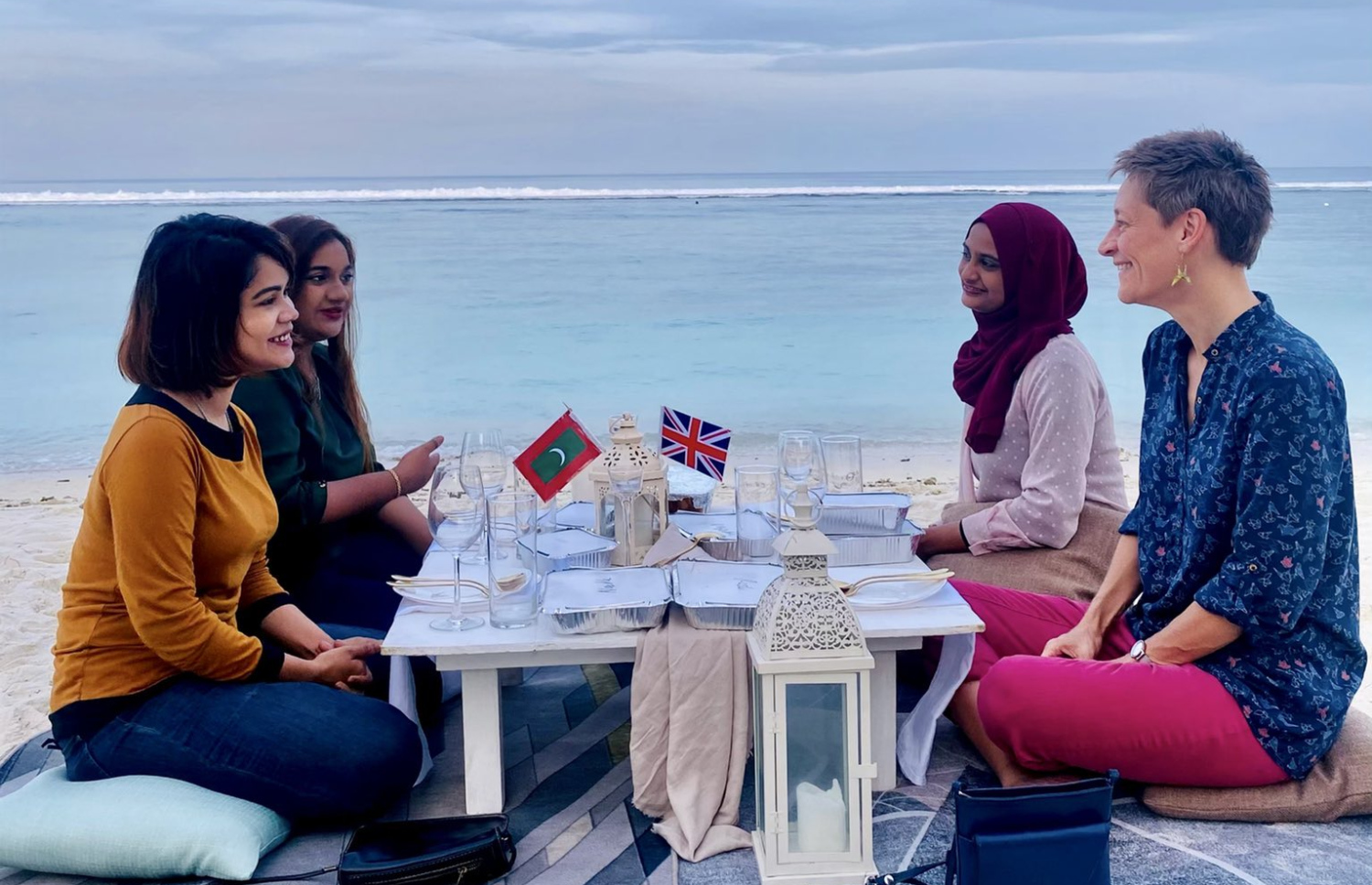
For many Maldivians, the day feels incomplete without at least a cup of black tea after the Asr prayer. Whether it is to refresh the mind after work, bond with family and friends, discuss matters, or celebrate something, afternoon tea is a Maldivian’s closest companion. While “going for coffee” is the modern trend, “going for tea” has long been the essential social glue for Maldivians.
The snacks also differ significantly. While a British tea spread consists mainly of light sandwiches and pastries, a Maldivian tea table is rich with spicy, savory, baked, and deep-fried hedhikaa infused with local spices.
Stories Behind the Snacks
Many of these snacks are unique Maldivian creations, while others are adaptations of foreign flavors. Bajiya, for instance, is based on the Indian samosa but has evolved into something distinctly Maldivian, featuring a filling of smoked tuna, onions, and a hint of sugar that creates a sweet-and-spicy balance. Former President Ibrahim Nasir reportedly loved these and once suggested adding a bit of butter to the filling for extra flavor.
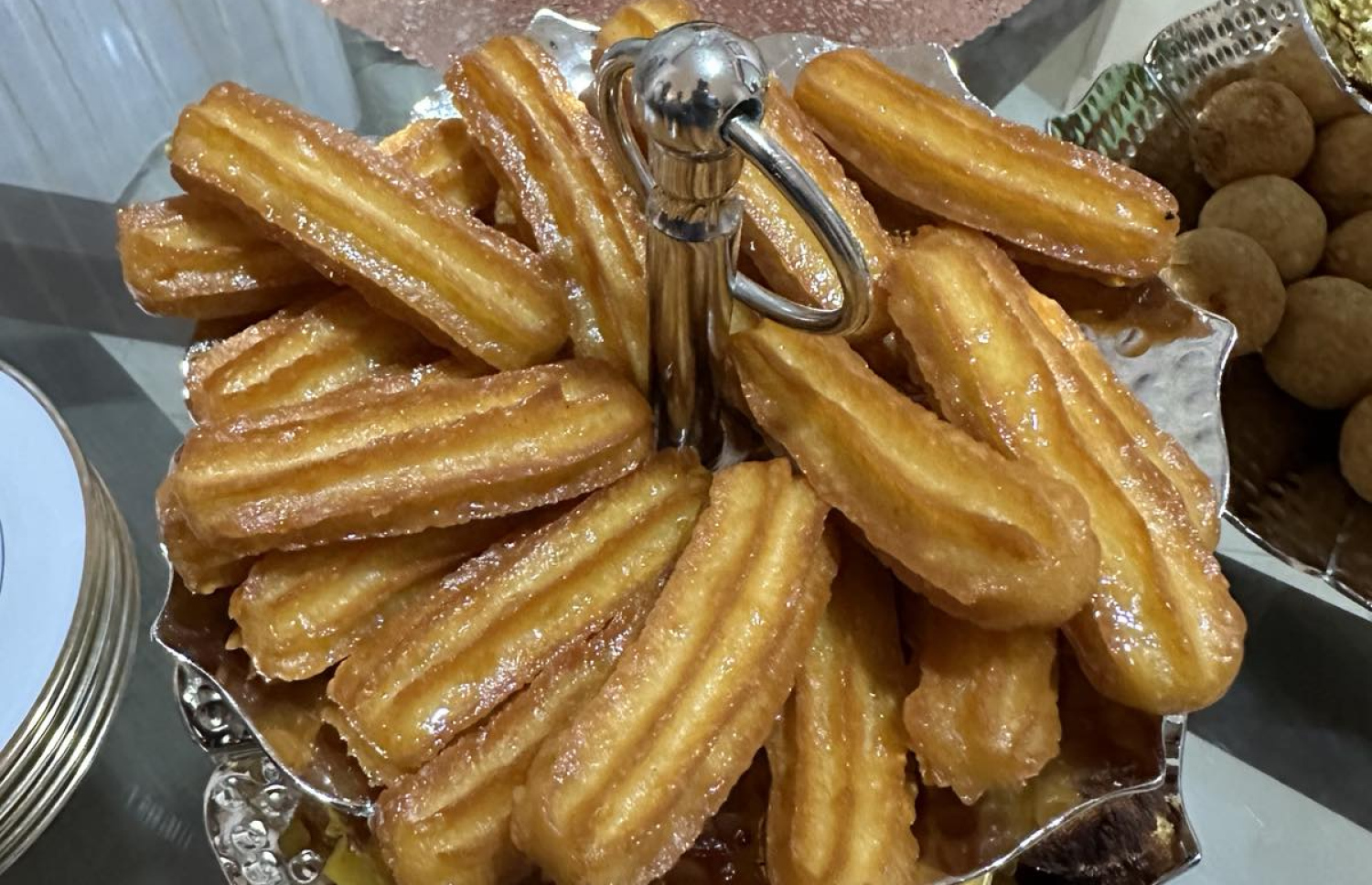
Foni Kaamaranga, or “sweet starfruit,” is derived from the Egyptian dessert Balah el-Sham, which contains ghee. It became popular in Malé in the 1970s when M. Endherimaage (the household of former First Lady Nasreena Ibrahim) began making it. It was Nasreena who introduced it to the household after learning how to make it while studying in Egypt. It was later renamed in Male’ because its shape resembles the starfruit.
Misru Boakiba (Egyptian pie), despite its name suggesting Egyptian origins, is entirely Maldivian. It was created during the Arab–Israel war of 1956, when a local café owner made a small sweet cake using a condensed milk tin as pan and named it after Egypt to show solidarity. A rival café even produced a spicy version called “Israel Boakiba,” but only the Egyptian version endured over time.
Bis Keemiya (egg patties), although it resembles a foreign pastry, was invented locally at the Orchid Ufaa café’ during a time when fish was scarce. It originally involved dropping a raw egg into pastry dough and frying it, but has since evolved into the cabbage-and-boiled-egg pastry commonly enjoyed today.
More Than Just Food
Evening tea evolved from simple homemade snacks and rusks into a vibrant commercial culture in the late 20th century, with the rise of iconic Malé “hotaa” (tea shops) such as Orchid Ufaa, Evening Glory, and Mercury Light.
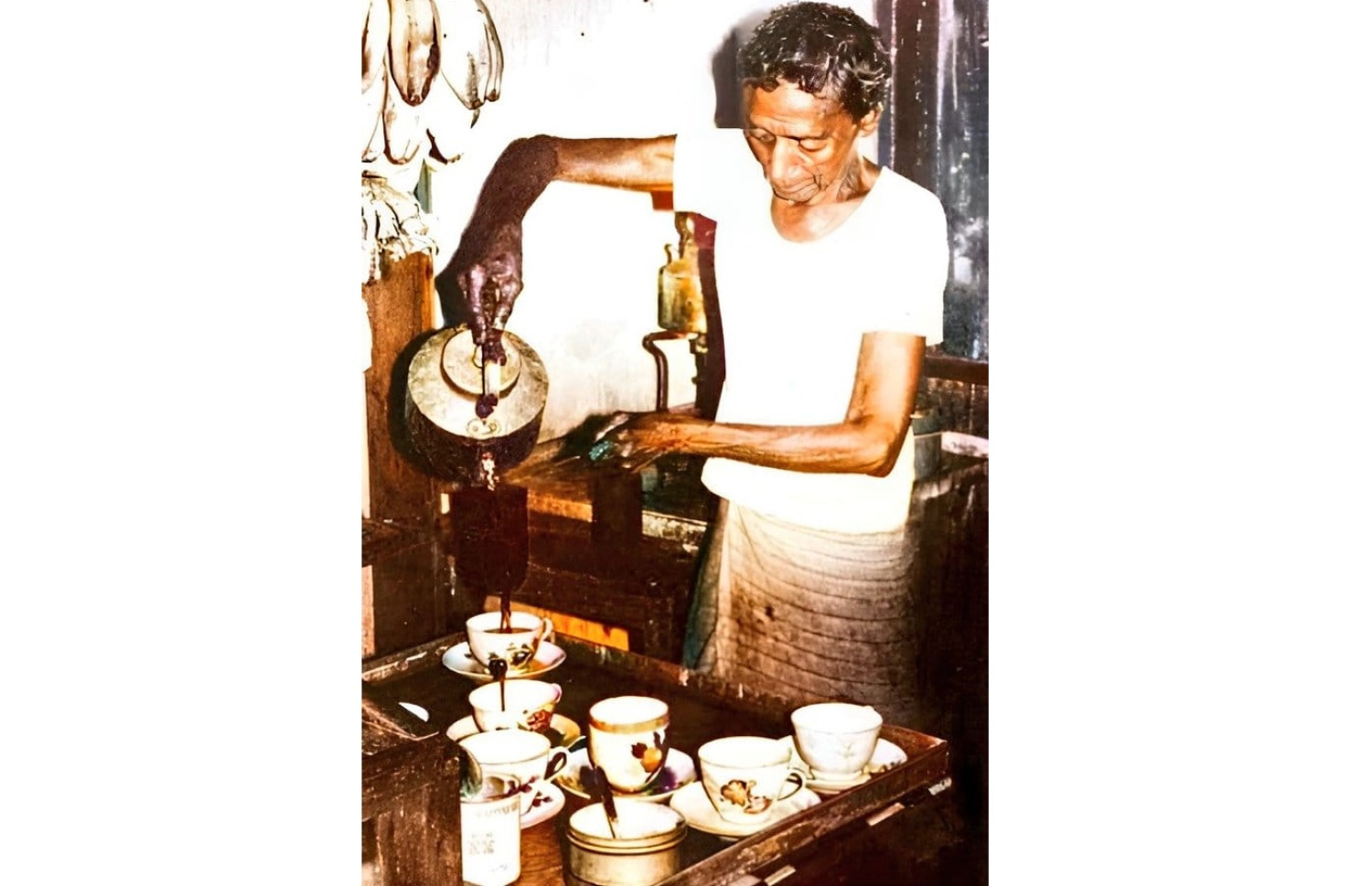
One legendary figure in this culture was “Naavaidhoo Kuda Hussain,” who ran a tea shop for decades. He was famous for stirring every cup of tea individually with a brass spoon rather than brewing large pots. Over the years, he reportedly wore down more than 30 brass spoons to the handle simply by stirring sugar and milk into cups of tea, leading to the humorous local claim that his customers had “drunk” 30 brass spoons.
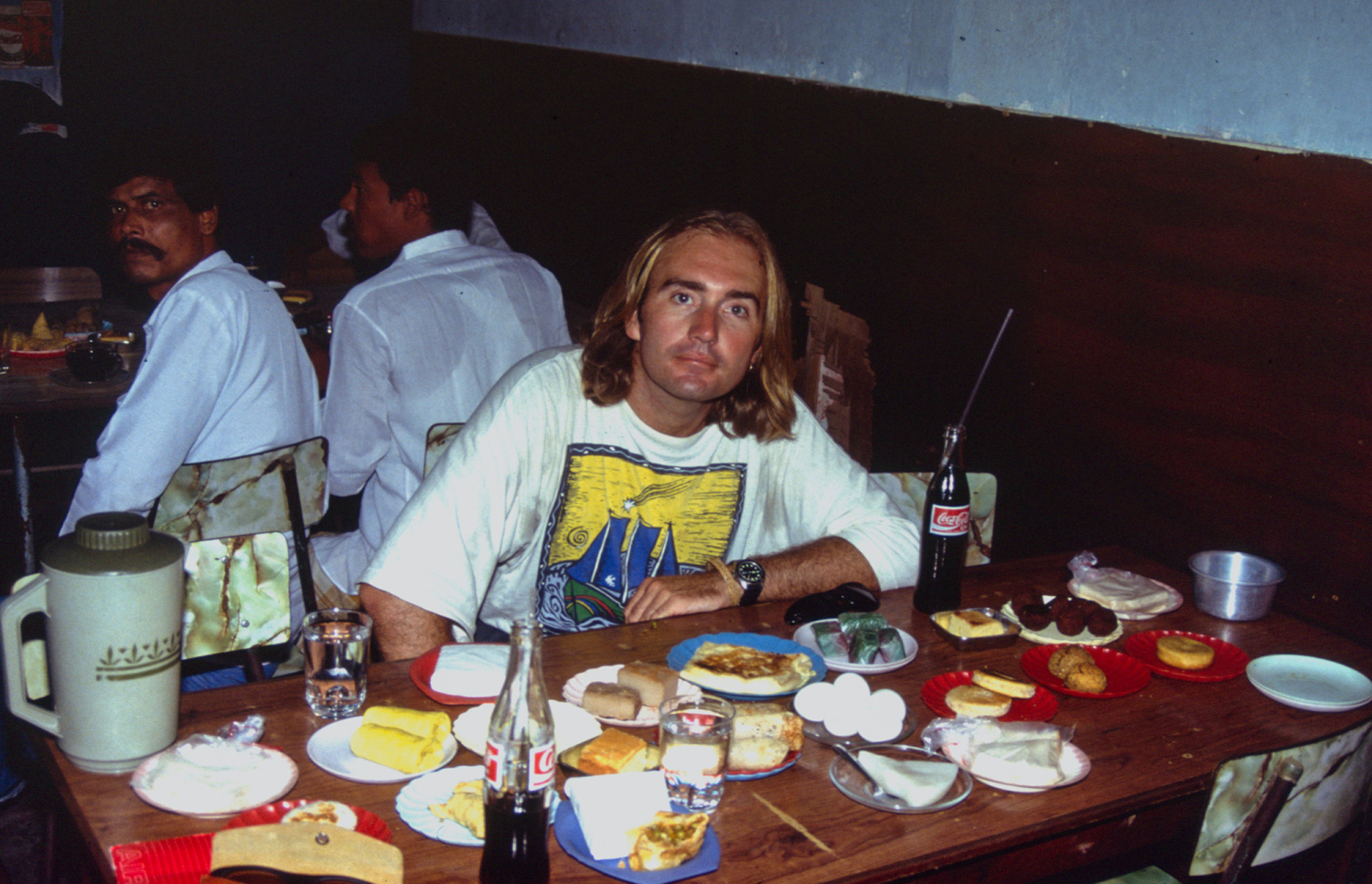
The habit endured because it was—and continues to be—an affordable way to fill one’s stomach. Australian travel writer Peter Moore, who visited in 1991, noted that tea and hedhikaa at local cafés sustained him when he could not afford tourist restaurants.
An Enduring Legacy
Today, afternoon tea is no longer confined to tea shops; it is featured in high-end restaurants and remains a staple of official ceremonies.
“Even when a high-level official visits from the UK, we now organize an afternoon tea,” Caron said. “Bringing hedhikaa to the office or going to a café is a way to break the ice and let them experience Maldivian tradition.”
For Caron her fondest memories are tied to these tea gatherings—especially the “Quarantine Teas” shared during the COVID-19 pandemic lockdowns, when neighbors sent thashibari filled with snacks from one floor to another.
“The masroshi and bajiya are my favorites. And the cream bun is my weakness,” she admitted.
Ultimately, she believes the magic of Maldivian evening tea lies not only in the flavors of the snacks or the warmth of the tea, but in the unity and connections it fosters every single afternoon. That is why, for the Maldivian afternoon tea—a perfect sundowner—the sun that never truly sets.


