
As the final echoes of the Eid-al-Fitr celebrations fade from the jetties, a steady transformation takes place across the Maldivian islands. For months, the country has hummed with a frantic, high-wattage energy. From the festive rush of December through the spiritual and social intensity of Ramadan and the subsequent domestic travel explosion of the Eid holidays, the islands have been "on."
But now, as we move into April, the Maldives is entering what seasoned travelers and locals call the "Quiet Zone."
The peak international tourist season, long fuelled by the northern hemisphere’s winter chill, is drawing to a close. Meanwhile, the thousands of Maldivians who crisscrossed the atolls to visit family or escape for a long weekend on a guesthouse island have returned to their offices or resumed their posts in the civil service. What lingers is a rare pause in a fleeting window when the Maldives’ geography feels expansive, the beaches stretch endlessly, and life slows to a gentle rhythm.
For the budget-conscious traveler and the local explorer, April is the Maldives’ best-kept secret.
The Geography of Silence
If you stand on the beaches of Maafushi in February, you are part of a global collective; a bustling hub of languages, excursion boats, and high-energy music. Stand there in late April, however, and the experience is fundamentally different. The "Quiet Zone" is characterized by a sense of reclaiming space.
On islands like Dhigurah, renowned for its sweeping sandbank and whale shark sightings, the shift is tangible. The long walk to the southern tip, which might have been a social procession a few weeks ago, transforms into a solitary meditation. The only footprints in the sand are yours and those of ghost crabs. It’s not merely the absence of crowds, it is a subtle shift in the island’s market value.
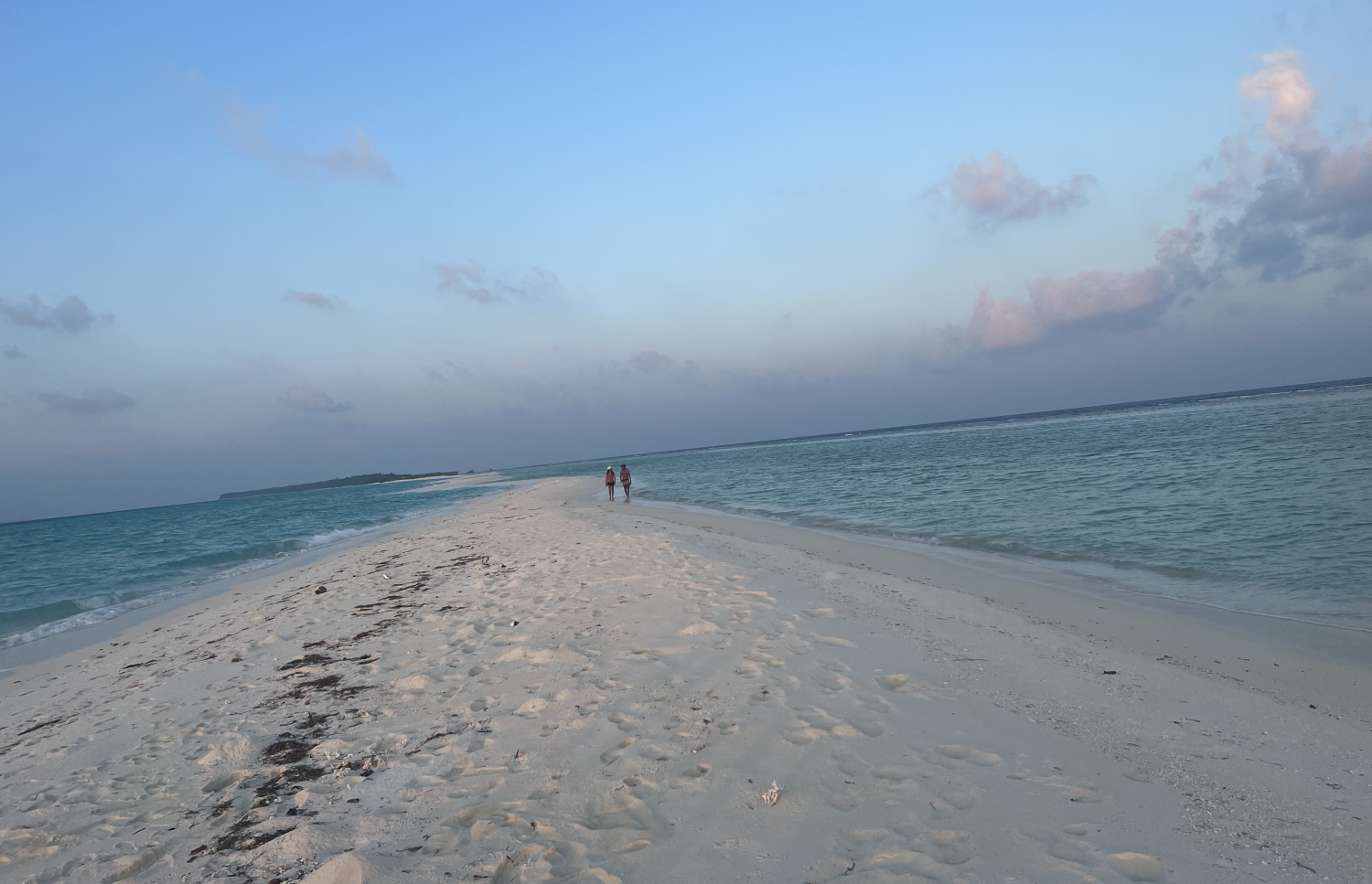
In the Maldivian travel economy, April acts as a pressure valve. Demand from the European and Russian markets dips slightly before the summer holidays, while the domestic market settles after the Eid festivities. The “inter-monsoon” period, which often brings rising temperatures and sporadic rain, offers excellent diving conditions and is considered prime time for spotting manta rays and whale sharks. The sea is glassy, and snorkeling visibility reaches its annual peak. The magnificent beauty of nature in this tropical paradise often aligns with times when the destination is more budget friendly.
The Slow Travel Movement
For years, Maldivian travel was defined by a “bucket list” approach: spot the manta rays, take the sunset cruise, snap the photo, and move on.
But in 2026, the travel landscape is shifting decisively toward Slow Travel. This mindful approach prioritises connection over speed, favouring deep, immersive experiences in fewer locations rather than racing through a checklist of sights. It encourages lingering longer in one place to engage with local culture, cuisine, and people, while also reducing travel fatigue and lessening the environmental footprint.
Now that the high energy festive events, the DJ nights, the massive communal banquets, and the loud stage shows have concluded, the islands are pivoting toward a quiet reset. Without the pressure to entertain thousands of guests at once, guesthouses are focusing on quality of presence.
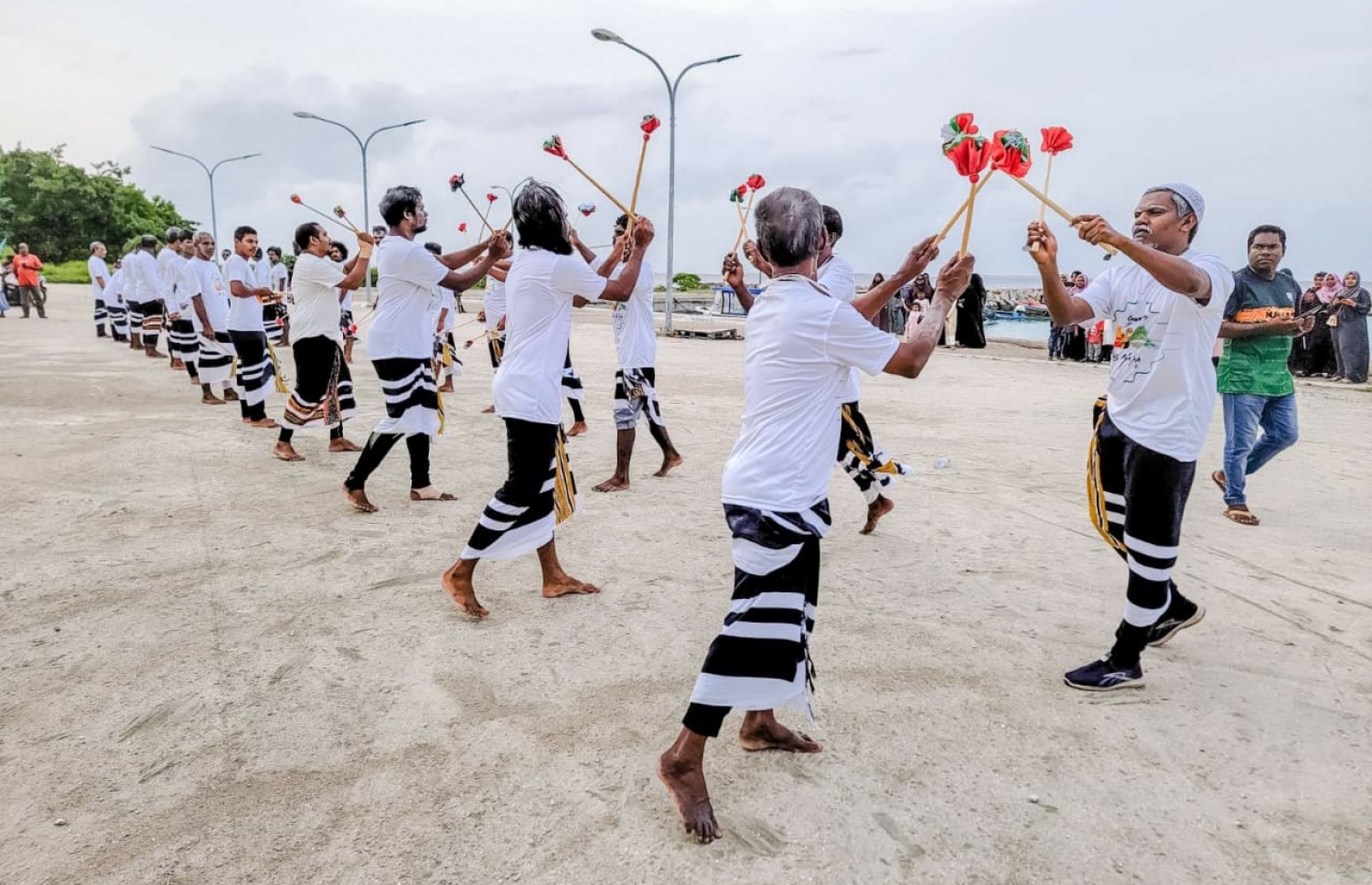
On islands like Fulidhoo, renowned for its skilled drummers and vibrant dances, the post-Eid atmosphere is one of unhurried calm. Visitors sit for hours at “hotaas,” (small eateries) deep in conversation with residents or sketching the horizon, phones forgotten. The focus shifts from the buffet culture to slow food: fresh catches of the day are prepared with local spices, and meals are savoured rather than rushed.
Why Your Wallet Loves April-May Slowdown
From a purely financial perspective, the mid-April to May window is a sweet spot for Maldivian residents. The economy has been defined by a high cost of living and a persistent “dollar hunt”, making peak-season guesthouse rates of USD 150–USD 200 per night too expensive for many locals.
However, the "Post-Eid limbo" changes the math. Once the busy domestic travel period ends, the lower demand for inter-island transport allows for more flexible services, lowered pricing, as operators try to maintain their routes.
This quieter period also coincides with the end of school holidays. For families able to adopt a work-from-the-beach approach, the value is clear. On islands such as Maafushi, the day pass culture where visitors pay a flat fee to access resort facilities loosens noticeably. With occupancy lower, high-end properties are more receptive to outside guests, effectively opening a pathway to a “luxury” experience at a fraction of the cost of an overnight stay.
Recalibrating After the Festivities
Socially, the Maldives in April is a nation in a state of collective exhale. Ramadan and Eid are beautiful, but they are also periods of intense social performance. There are clothes to buy, gifts to give, and hundreds of relatives to greet.
By the time the third week of April arrives, there is a palpable sense of social fatigue. The "Quiet Zone" provides the antidote. It is a time when the Blue Economy doesn't just mean fishing and tourism; it means the psychological benefits of the ocean.
Growing recognition of "Nature Deficit Disorder" among Malé's urban residents is evident in 2026. Given the capital's congestion and the intense heat of the pre-monsoon season, accessing the atolls' "Quiet Zone" is increasingly viewed as a meditative necessity, not merely a luxury. This trend is fueling a growth in Wellness Retreats focused not on costly spa services, but simply on the practice of unplugging.
Embracing the Slow Tide
As the Maldives navigates the complexities of 2026, the fluctuating dollar, the regional tensions, and the internal policy shifts; the "Quiet Zone" stands as a reminder of what the country is at its core. It is a reminder that the "Paradise" we sell to the world isn't just a collection of high-end services and Instagrammable backgrounds; it is a specific, slow-moving rhythm of life.
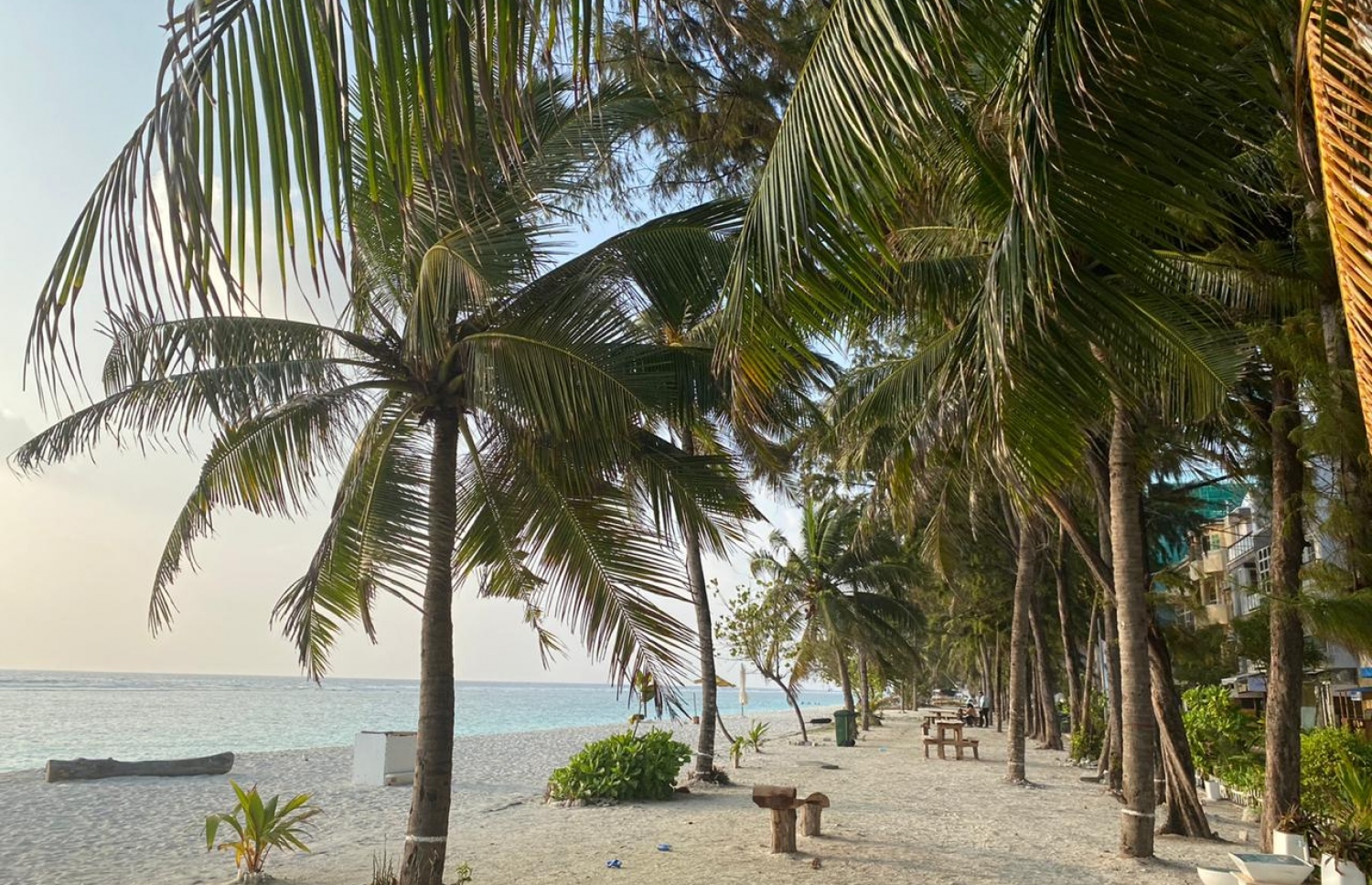
The true "Quiet Zone" of Maldives emerges when you travel outside the busy festive season. This allows you to witness the community's authentic daily life, free from the usual celebratory pattern. Instead of the loud drone of a boat engine, you can hear the gentle whisper of the wind moving through the trees. This is when you discover the secret joy of travel, a realization that fulfillment comes not from maximizing activities, but from embracing the quiet freedom of having very little to do.
As the first clouds of the Hulhangu monsoon begin to gather on the distant horizon, there is still time. The "Quiet Zone" is open. The jetties are clear, the rooms are ready, and the islands are waiting for the slow paced traveler to come and claim their piece of the silence.
The peak may be over, but the best of the Maldives is just beginning.


