
In the quiet hours before sunset, when kitchens across the city begin to fill with the smell of frying hedhikaa and baking desserts, Nazra Ahmed is usually moving between two worlds.
In one, she is a gym instructor, guiding people through strength and cardio routines and encouraging them to stay active even during Ramadan. In the other, she is at home- a mother preparing the iftar table, a wife sharing household responsibilities, and someone who tries to make Ramadan a time of togetherness for her family.
Known to many as Chooty, Nazra lives in Male’ with her husband and their two children, an 18-year-old daughter and a 14-year-old son. Like many families, their home moves to a different rhythm during Ramadan.
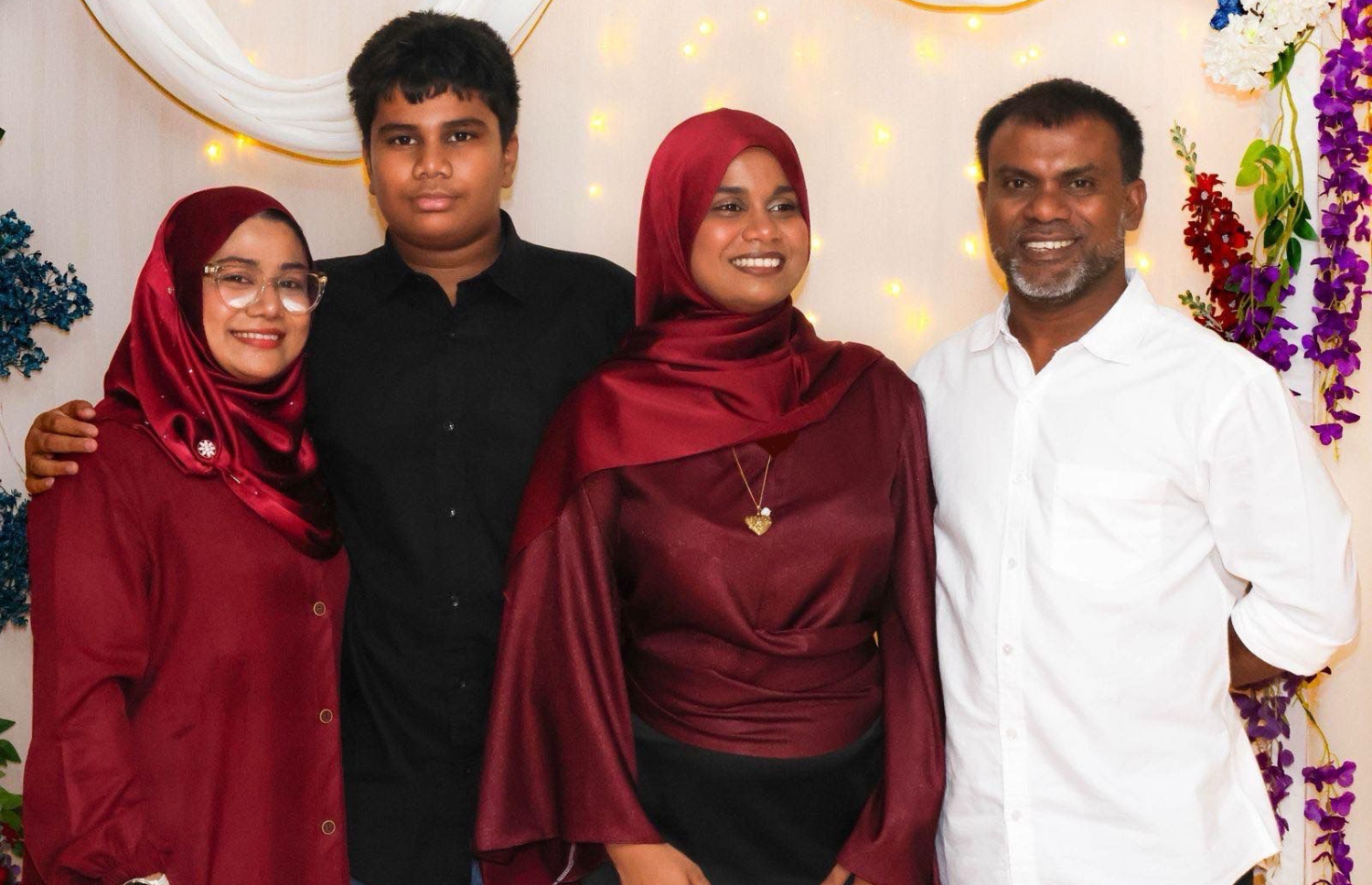
“Ramadan changes my entire routine,” she said.
“Sleeping schedule, eating, spending time with my family- everything becomes different.”
Growing up in her mother’s home with her siblings, Nazra was surrounded by the familiar closeness of a tight knit family. Back then, Ramadan had its own rhythm, neighbourhood gatherings, family meals, and the quiet hum of the city slowing down during the day.
Today, even though life has become busier, the spirit of Ramadan still brings a similar feeling of reflection and closeness.
Living with her own family now, Nazra has created a routine that balances work, parenting, and the traditions she grew up with. But if there is one thing she has learned over the years, it is that no two Ramadans look exactly the same.
A home with three different appetites
Like many parents, Nazra says preparing meals for her family can be a bit of a balancing act.
“Iftar preparation is very different in our home,” she says. “There are three different styles of people.”
Her husband prefers healthier meals, while her children lean more towards fast food, although surprisingly, they are not big fans of traditional hedhikaa.
But one thing everyone agrees on is that home-cooked food is still the best.
“I am usually the one taking charge of cooking,” she explains. “But my husband helps a lot with household chores, and my daughter helps too.”
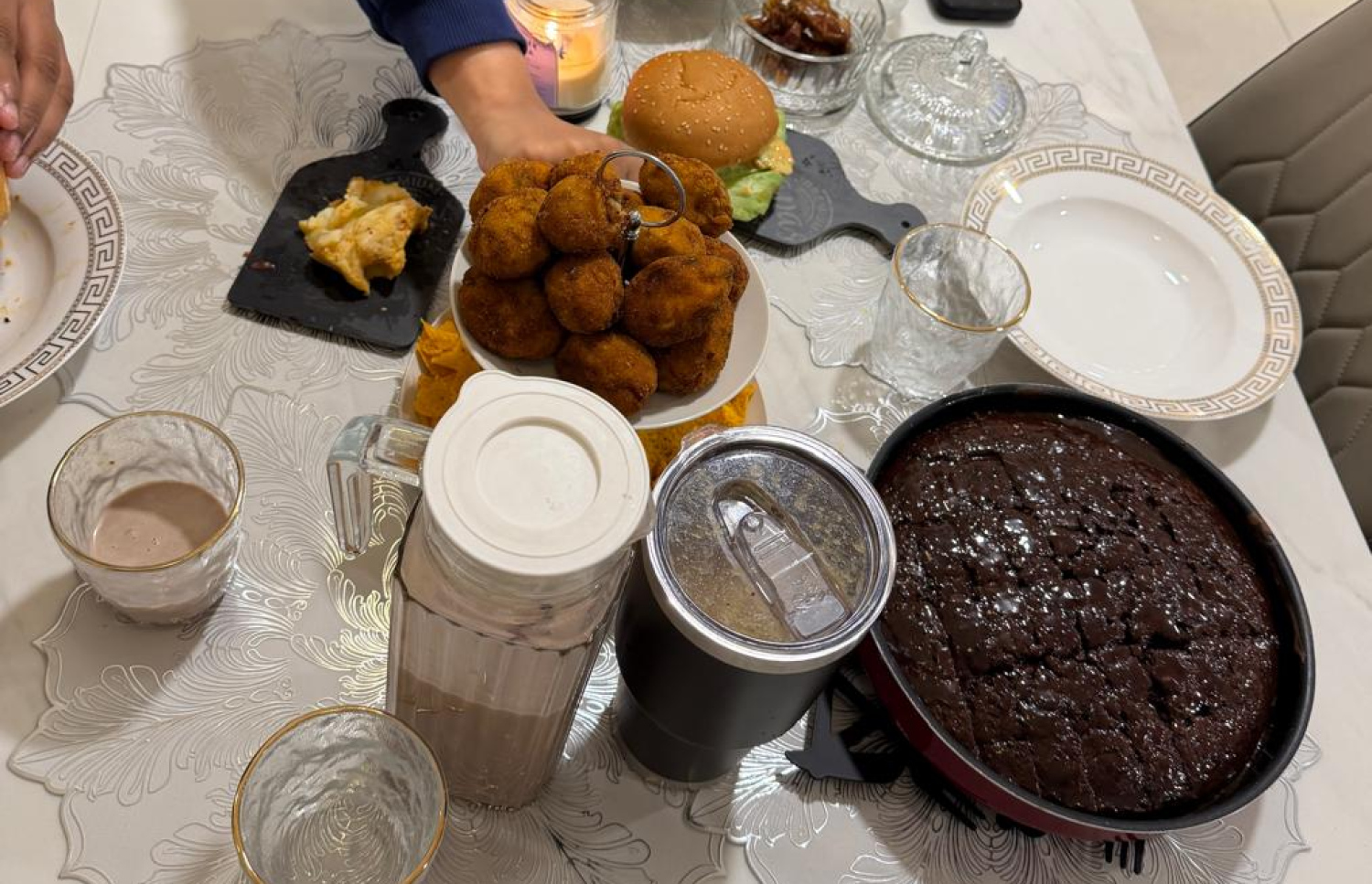
Even with the shared effort, the responsibility for the main dishes usually falls to her.
And there are some things the family expects to see on the table.
“Everyone loves the dried chicken and roshi I make,” she said fondly. “It is a must to have a dessert on the table every day during Ramadan.”
Despite spending much of her time preparing food for others, Nazra admits she is not much of a snack person herself.
But she does have a weakness.
“I really like french fries,” she says.
Ramadan- a time for family
For Nazra, Ramadan is less about elaborate meals and more about moments spent together. One of the traditions her family tries to keep every year is attending prayers together.
“During Ramadan we go to Tarawih and Dhamu namaadhu (midnight prayers) as a family,” she said.
These quiet outings have become a small but meaningful part of the month.
Outside of Ramadan, the family also makes a conscious effort to stay connected despite busy schedules.
“We try to spend weekends together and go out at night,” she says.
Friday lunch has also become a small family ritual. “We have Friday lunch together as a family unit.”
In a city where work, school and daily responsibilities can easily pull people in different directions, these traditions help keep them grounded.
A life in fitness
While her home life revolves around family routines, Nazra’s professional life is built around movement.
She has worked as a gym instructor and group fitness instructor for the past five years, a career that has introduced her to a wide range of people and experiences.
“It has been five years since I have been in this field,” she said.
The work, she explains, has brought her not only professional opportunities but also meaningful connections.
“I have received a lot of love and respect from the people I have worked with.”
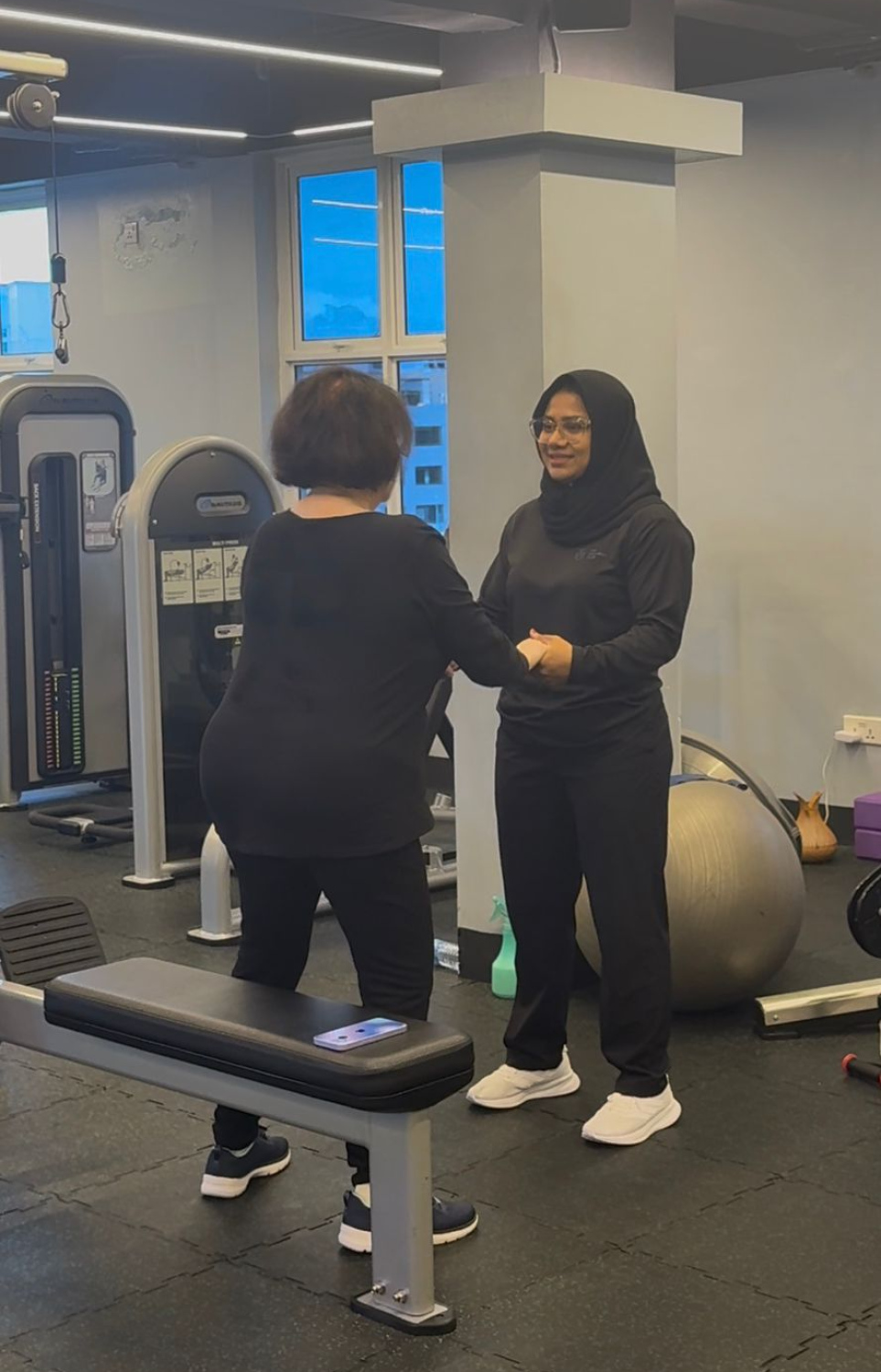
Fitness instruction is not always easy work. It requires energy, motivation, and the ability to encourage others even when they feel like giving up.
But Nazra says the reward lies in seeing people push themselves and grow stronger.
Maintaining an active lifestyle during Ramadan can be a challenge, even for experienced athletes. For Nazra, Ramadan means adjusting her schedule to suit both her energy levels and those of the people she trains.
“My routine is three days a week,” she explains.
Those sessions usually combine strengthening exercises with cardio workouts- enough to maintain fitness without pushing the body too far during fasting hours.
Timing is also important.
Nazra believes the best time to exercise during Ramadan is just before Iftar.
“The best time for exercise during Ramadan I would say is close to Iftar time,” she explains.
Working out shortly before breaking the fast allows people to hydrate and refuel almost immediately afterwards.
However, she acknowledges that not everyone prefers that schedule. Some people choose to exercise after breaking their fast.
“If you are doing exercise after Iftar, I would recommend doing it about one and a half or two hours after,” she said.
This allows the body enough time to digest food before beginning a workout.
Encouraging others to stay active
Through her work, Nazra often meets people who struggle to stay active during Ramadan.
Fasting, busy schedules, and late nights can make it tempting to pause exercise altogether. But she encourages people not to give up on their health.
“For those who are working on having an active lifestyle during Ramadan, I would say you are very brave,” she added.
And for those still thinking about starting?
Her advice is simple: do not wait.
“It is not too late to start now,” she says. “But it is better to start sooner than never.”
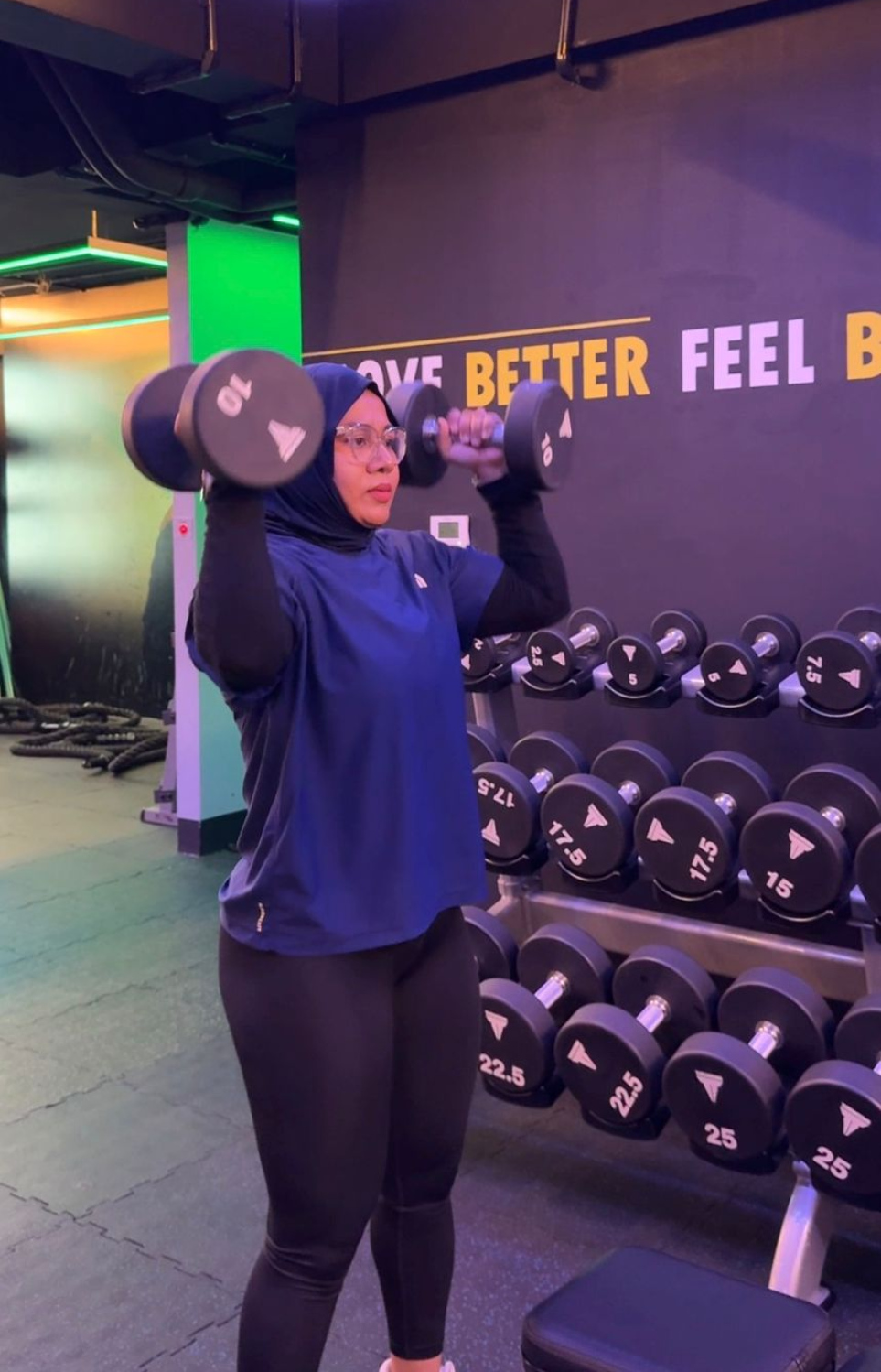
Adopting healthy eating habits and consistent exercise routines, she says, can make a lasting difference at any age.
Memories of Ramadan
When asked about her most memorable Ramadan moments, Nazra’s answer does not revolve around food or work.
Instead, it is about connection.
“The most fun and memorable times I have had are meeting with my friends and spending time with them,” she said.
Those simple gatherings- conversations after Iftar, laughter shared late at night, often become the moments people remember long after the month ends.
For Nazra, these experiences remind her that Ramadan is not only about fasting or routines.
It is also about relationships.
Values for next generation
As a mother, Nazra says she hopes to pass on certain values to her children.
Above all, she wants them to remain humble.
“I want my kids to stay humble and respect others,” she says.
At the same time, she hopes they grow into confident and independent adults. “I want them to be self-sufficient people.”
Balancing kindness with independence, she believes, is one of the most important lessons a parent can teach.
Life in the city can be fast-paced. Between work, school schedules, household responsibilities and social commitments, finding balance is not always easy.
But Nazra has learned that small routines; shared meals, prayers, outings can help anchor family life.
Ramadan, she says, is a reminder to slow down and appreciate those moments.
For her, the month is not just about fasting or discipline.It is about connection, about family sitting together at the Iftar table. It is about stepping out into the evening air to walk to the mosque together.
And it is about finding the strength, both physical and emotional, to keep moving forward.
In many ways, Nazra’s life mirrors the spirit of the city she calls home: busy, energetic, and full of movement.
But when the sun sets and the fast is broken, everything returns to the same simple focus- family, faith, and the quiet satisfaction of another day well spent.


