
“Allahu Akbar, Allahu Akbar…” the melodious sound of the Adhaan reaches the ears of a young Maldivian girl sitting alone in an apartment in Kuala Lumpur as the sun sets over the city.
It’s Iftar time, and Roohy is sitting down for a solitary meal to break her fast. The meal she prepared consists of frozen ‘hedhika’ that she had deep fried just for the occasion - its savoury flavours reminding her of home.
The peace that a solitary meal brings at the end of a long day of fasting may be just what some people prefer. But not so for Roohy.
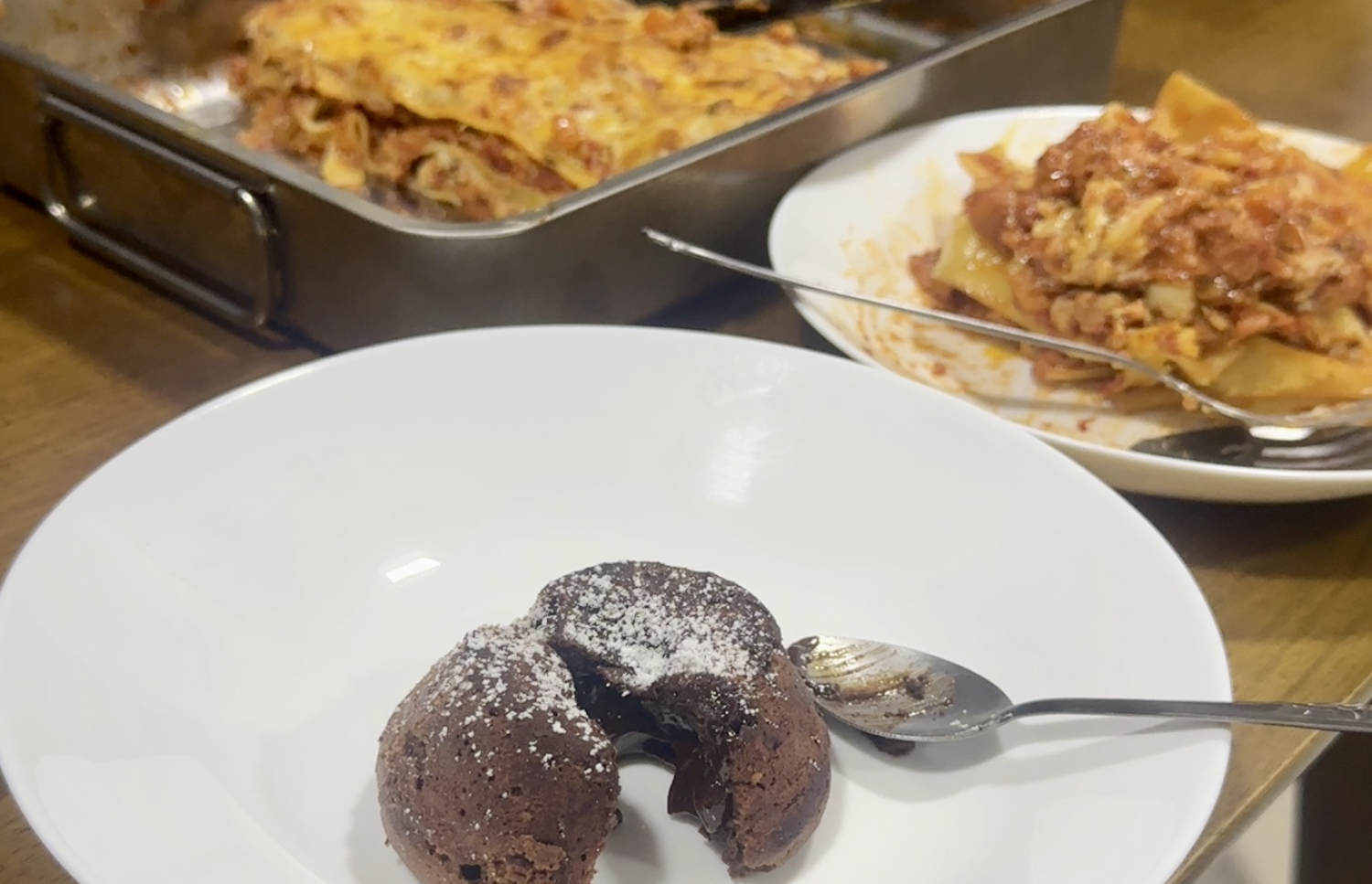
Roohy grew up living in a lane lined with homes of relatives and friends - a community within the city of Male’ that comes together every Ramadan for prayers, feasts and games. This lonely Ramadan miles away from her home and family is a difficult time for the young woman just going into her twenties, the joys of Ramadan overshadowed by her yearning to be with family.
2026 came with a change. Roohy, still pursuing her higher studies in Kuala Lumpur, planned her holidays so that she could spend her Ramadan back home with family. She is absolutely thriving with the hustle and bustle of a traditional Ramadan schedule with her loved ones.
Ramadan At Home: Ten’s Company, No Such Thing As A Crowd
“It’s kind of like a group project,” Roohy tried to explain how Ramadan is planned out at home.
Close to ten people gather in a single apartment for Iftar. These ten though, are not by any means the only contributing members of Iftar at Roohy’s home.
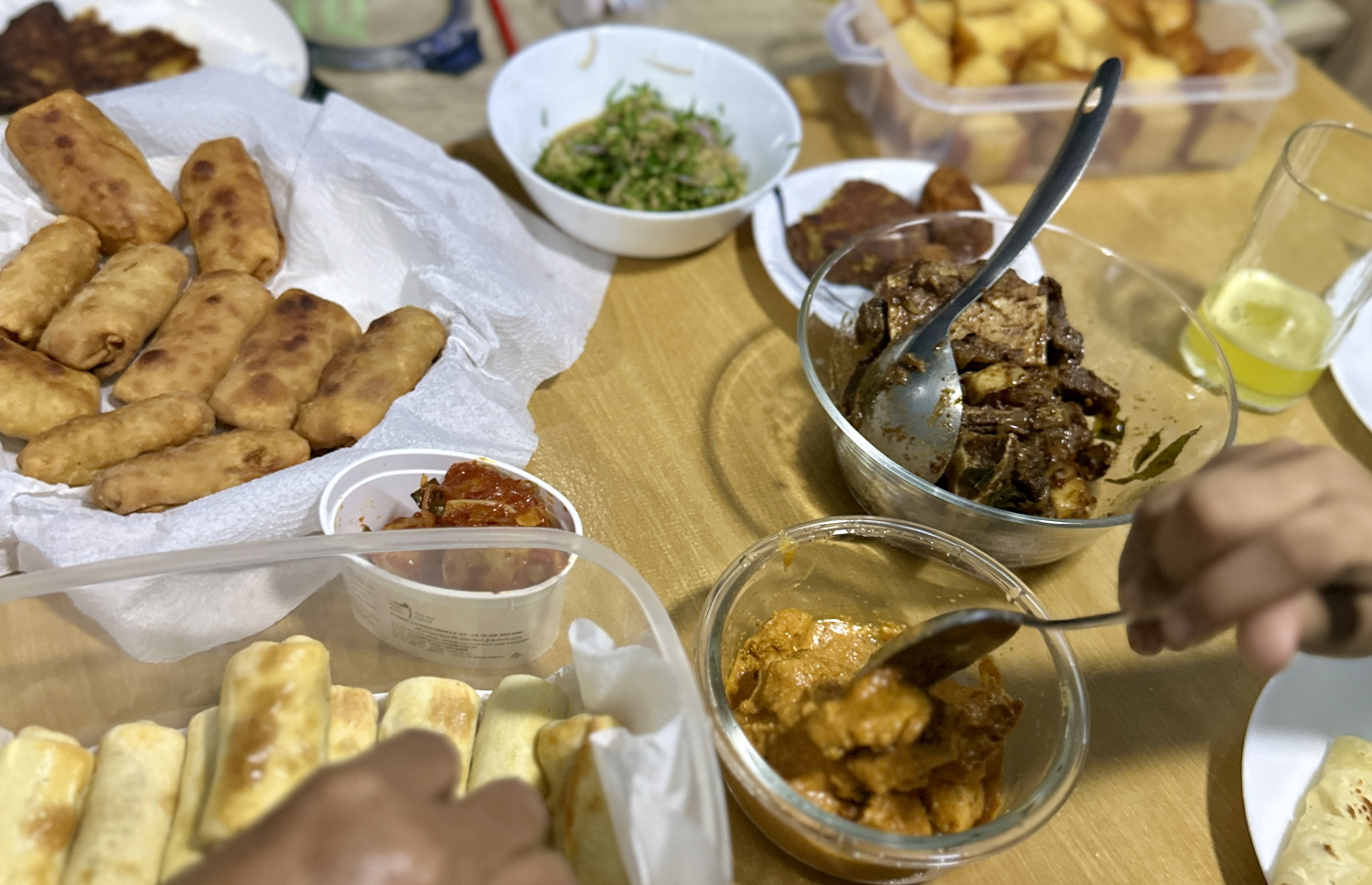
Roohy’s home has her parents and herself living in a two room apartment. Other floors of the building, as well as numerous other buildings in the narrow private lane, are home to cousins, aunts, uncles, and so on. A few of the units are rented out, but the tenants have been living there for so long that they are now considered friends and family. Relatives living in other islands also often spend Ramadan with them in Male’, often coming to play in various sports tournaments.
Every iftar table in this lane has a wide variety of offerings, with each household preparing their own treats and gifting it to the others. Some of the cousins band together to make a single dish. So, say they’re making ‘bis keemiya’. The filling is made at one house and transferred to the next, where they assemble the short eats and pass it on to the next house for frying. A division of love and labour, resulting in mouthwatering treats for the entire extended family.
With so many gears in the machine, nothing is left to chance. The family plans out the menu for the day ahead, to make sure no two houses end up making the same dish. Sharing the work lessens the load on every individual too, freeing up ample time for prayers and rest.
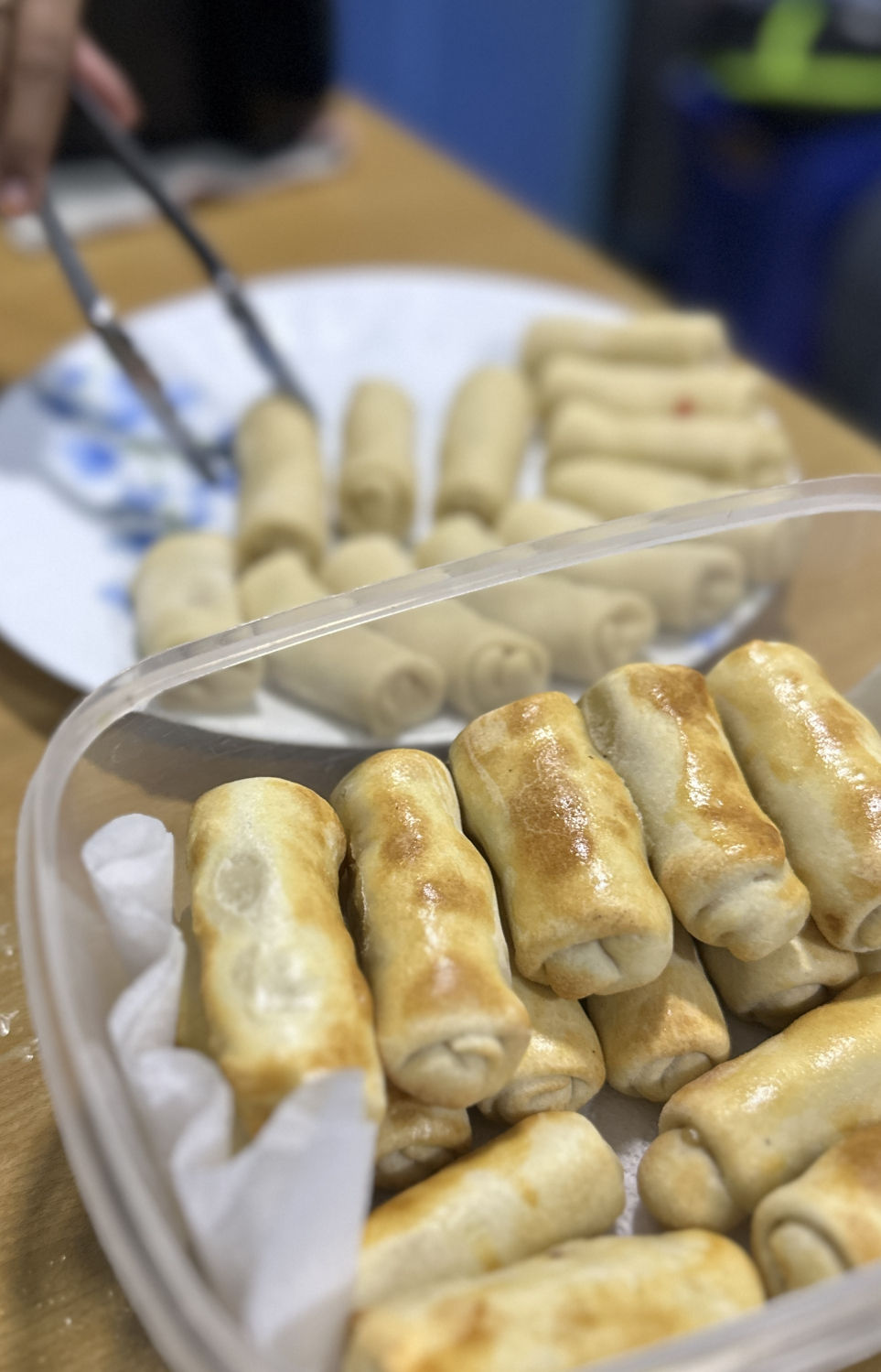
After Iftar, then comes the mid-evening meal traditionally called ‘tharaavees’. At this time, any leftover food is gifted to other houses, including those living on rent.
Roohy also specifically mentioned her dad’s special Iftar request. Despite the vast range of short-eats and meal options on offer, her dad sticks to a traditional meal of ‘baiypen and maskurolhi’ every day without fail.
“It’s not always rainbows and butterflies though,” Roohy chuckled. As is inevitable in the stress of the fasting day, there are days when tempers flare and panic ensues in the run up to Maghrib.
“Who burnt the cutlets!” “Why is the watermelon not cut yet!” “Where is my ladle?!” “Wil this be enough food for everyone?!” “Maybe I should make more!” “That’s too much salt!”
“And who is the chaos coordinator? Who is the peace maker?” I asked, curious.
“No one! One flared temper leads to another outburst, some just ignore it all. Some mutter and glower. It all eventually dies down and by the time Iftar comes, all is well and there are no hard feelings. I guess raised tempers are a given when so many people are working together while fasting,” Roohy replied.
Prayers are also by no means a lonesome affair. Mothers, daughters, cousins … everyone goes together to the mosque every night for the Tarawih prayers, usually to nearby mosques.
After Tarawih is when the fun and games begin.
All the cousins (counting into double digits here!) gather at one home for games. Games start off with simpler fare, like UNO, Joker, and such. This is by design, to allow the younger cousins to join in, as the age ranges from six to thirties!
“We’ve had times where we had to mix together two or three packs of cards for a single game, because there were so many players,” Roohy recalled with glee.
Once the younger ones are coaxed off to bed, the older cousins move on to more complicated games. Game nights go on into the late hours, equal parts competitive and light-hearted.
Tahajjud in the early hours of the morning still sees quite a crowd going to the mosque, though it’s made up of fewer participants than Tarawih. After returning home, it is time for suhoor.
Some nights, Roohy sneaks in a nap between Tarawih and Tahajjud, leading to her mom having to wake her up with time to spare for suhoor.
And it is from this energetic environment that Roohy went to Kuala Lumpur and her solitary life there…
Ramadan in Kuala Lumpur: Tiny Nuggets of Home in a Hectic Schedule
Here, too, Roohy takes a nap before suhoor. Thankfully, she says the alarm is enough to wake her up.
Her mum, meanwhile, misses even this simple act of waking her up for suhoor. In fact, some nights she makes a dutiful phone call all the way from Male’ just to make sure Roohy doesn’t miss her suhoor!
While she can cook, it’s not really her favourite thing to do. So oftentimes, meals in Kuala Lumpur are ordered in. There are days when she and her flatmate make simple dishes as well. However, their schedules often clash, making it impossible to sit down for meals together too frequently. They do, however, plan out and go out for Iftar every now and then.
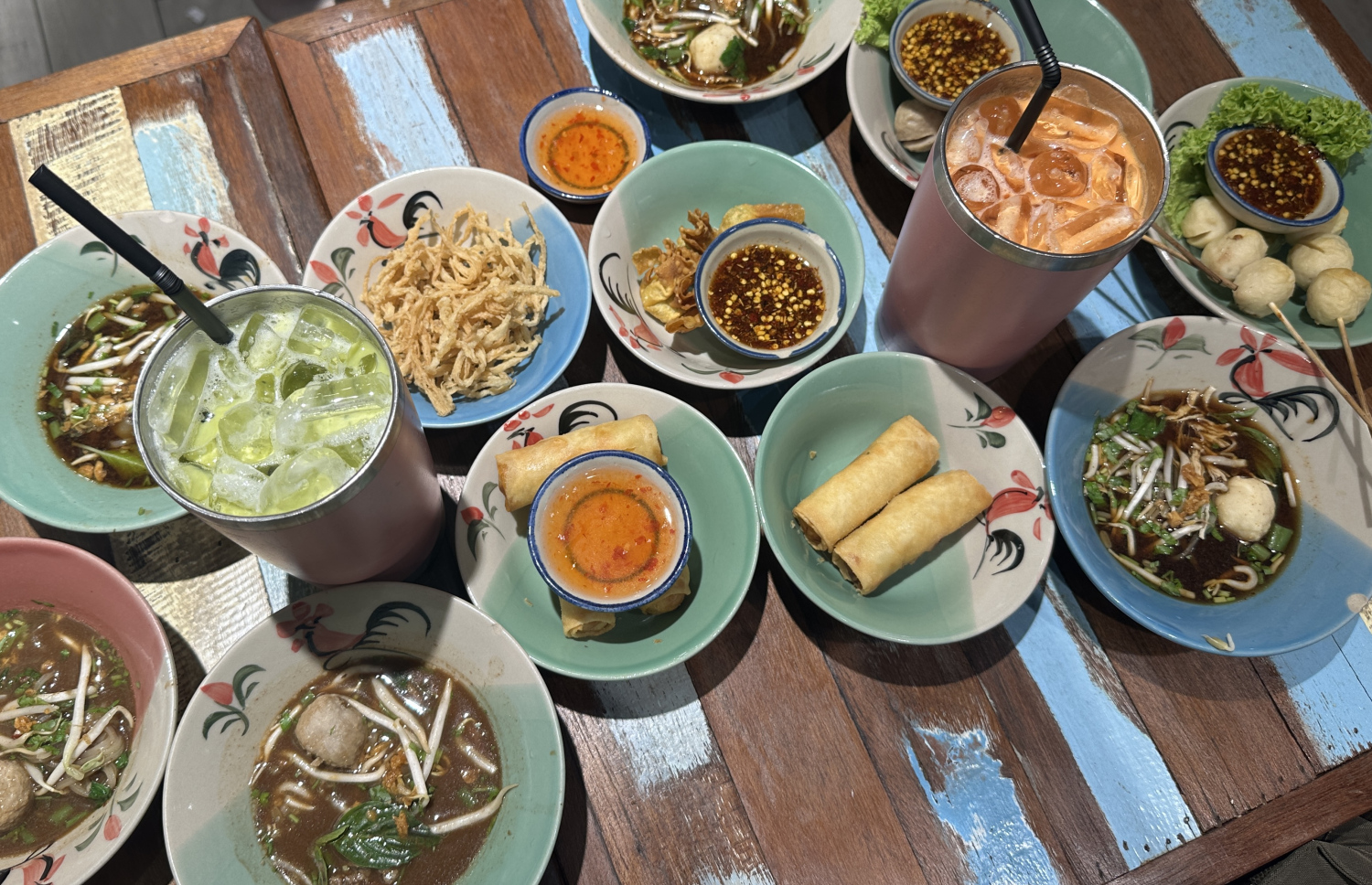
Last Ramadan, Roohy had a pleasant surprise. Her mom and aunts made frozen hedhika at home and sent it to her all the way in Kuala Lumpur! So, with just some simple prep, she was able to enjoy tastes from home for Iftar.
“Even more than Ramadan, I missed spending Eid with my family,” Roohy said.
She faces a different kind of challenge as well. Work and school hours in Male’ are significantly shortened during Ramadan. No such leeway exists in Malaysia. So Roohy has to juggle her regular busy schedule with the heightened demands of Ramadan.
“What’s the one thing about Ramadan that you would change if you could?”
“More people.” There was no hesitation in coming out with this response.
“I’d like to be surrounded by more people here in Malaysia during Ramadan. And I would like to have a less busier schedule uni-wise, so I can dedicate more time for prayers.”
“What’s the Ramadan memory that most stands out to you?”
“My first time returning to Male’ for Ramadan after spending two alone in Malaysia.”
But wait, that’s not all.
“Okay, so this isn’t a pleasant memory, but I’m definitely never going to forget this,” Roohy gave a disclaimer.
“Back in 2022, I had just started working for the first time. I was really tired, but I heeded mum’s advice and joined them at the mosque for Tahajjud. I had just gotten up from sujood when I saw out of the corner of my eye a man walking away. This was the women’s section, so I was very confused. When we finally finished prayers, everyone was staring at me. And that’s when I realized that the man had just stolen my phone! It was an old and nearly broken one, so it wouldn’t have been of much value to the thief, but it had a lot of sentimental value for me.”


