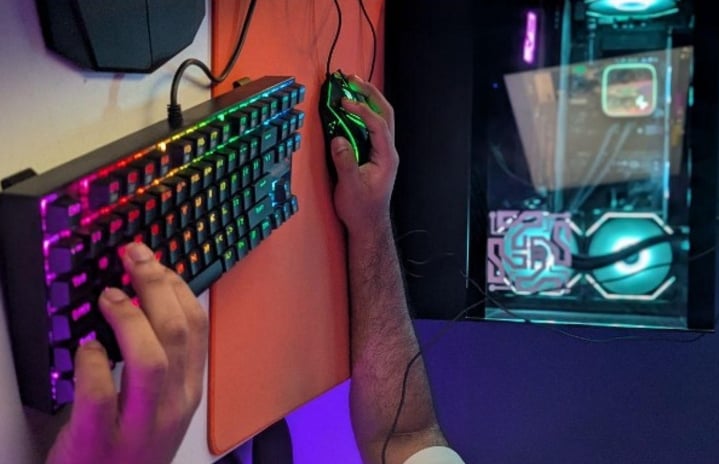
In the heart of our archipelago, a digital revolution is quietly reshaping the social norms of the small islands of Maldives, moving far beyond the traditional confines of late-night "thila" chats and casual mobile matches. It is a relic of the past when gaming in the Maldives was just a quiet way to kill time between afternoon tea and sunset.
Today, from the bustling cafes of Malé to the smallest jetties in the furthest atolls, you’ll find a community that has traded casual mobile matches for high-stakes competition and global dreams. It’s a scene that has grown faster than a speedboat crossing the Vaadhoo channel, fueled by a new era of ultra-low latency and a generation of players who are finally proving that "island life" is no longer a barrier to the world stage.
We aren't just playing for fun anymore; we are building a professional culture that is uniquely Maldivian, blending our tight-knit community spirit with a fierce competitive drive.
In this feature, we’re catching up with one of the voices at the center of it all to see how the Maldives is leveling up and what it really takes to be a pro in the digital "Sunny Side of Life."
We had the pleasure of interviewing the assistant director of Marketing & sales of KUIS eSports, Mr. Shaan “Shanku” Saeed, discussing in great detail, the current gaming scene in the Maldives.

1. How has the perception of gaming as a viable career path in the Maldives changed following the record-breaking year in Esports in Maldives, 2025?
"Gaming is no longer a “waste of time” as many people used to believe or just a leisurely activity to do in the past. It has evolved to become something that people can integrate into their lives and benefit from. However, although this may be the case, we as a community collectively need to work together and make sure this flow is constantly evolving. There’s a lot that still needs to be done, and a lot of issues that need to be publicly addressed if we want to see E-sports become an everyday topic of discussion and a full-time profession as we see in many developed countries."
2. Given the small, close-knit nature of our island communities, what unique social dynamics have you observed in how Maldivian gaming clans or teams form and sustain themselves?
“A lot of the gaming communities in Maldives started off as just a group of friends who wanted to play together but overtime grew into something more ambitious. They took inspiration from people, role models they look up to from other countries. Over time the clan grows as word spreads, and now, we see our communities grow larger day by day as more like-minded individuals are attracted.
However currently it is not possible to sustain these clans in Maldives unless they are backed by a tech giant organization or a notable sponsor. Other communities who do not have this privilege are sustained purely based on their own ambition and determination, but most of the time this is not enough to carry the legacy of the clan and maintain it for generations.”
3. With the 2025 integration of the SEA-ME-WE 6 cable and widespread 5G, how has the reduction in latency specifically changed the way Maldivian players compete in international lobbies for titles like Valorant, Rocket League, and other Esports?
“It has allowed pro players to tap into their abilities as this technology has made game-play smoother by decreasing latency allowing them to perform better and compete on par with other competitors from different countries and in turn reach high levels of competitive play and instill their names among top leader-boards internationally.”

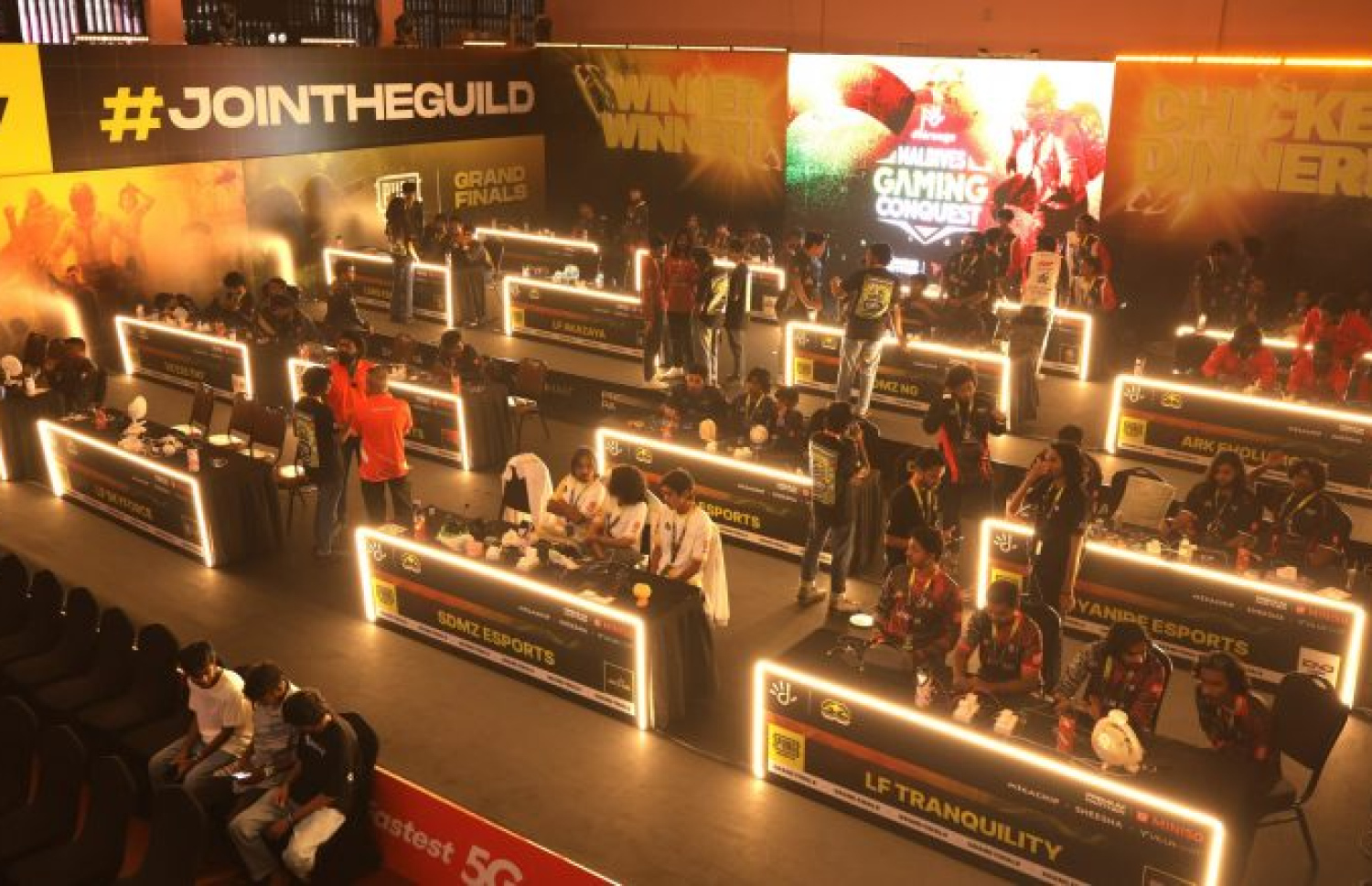
4. How are emerging physical gaming spaces and community hubs across the atolls helping reduce access barriers for talented players who lack high-end PC or console setups at home?
“First of all, this has allowed individuals who may not have had access to high tech peripherals the chance to showcase their talents. This has brought to light a lot of untapped talent that would otherwise have gone unnoticed and allowed them to partake in competitions and compete nationally and internationally, on par with existing players, if not better.
Secondly, the existence of these gaming hubs has allowed the total player base to grow, which in turn benefits our communities as we grow larger and Scout talents represent us in our teams.”
5. While mobile titles like PUBG Mobile and Mobile Legends currently dominate our scene, what do you believe is the primary catalyst needed to spark a similar professional surge for PC and console gaming in the Maldives?
“Adding to the initiative of opening gaming hubs throughout the country, I believe if we keep at it, we can reach our goal. For now, we need to focus on making PCs and consoles and other peripherals more accessible, especially those living outside the greater Malé region. Focus on opening more tech shops within the local islands and more nationwide distribution of tech rather than foraging it in Malé.
The technology is still very limited and centralized to the greater Malé region that a lot of the times it’s a struggle to find essential parts needed. We need to invest in high-speed fiber internet in islands and better repair shops.
Furthermore, to help build a generation that is more tech literate throughout the nation, we can integrate gaming and E-sports into extra curricula in schools and teach students to improve their familiarity and gain the basic knowledge regarding computer and console hardware.”
6. As we look towards the global stage, what specific areas of development, such as coaching, mental health support, or sponsorship, do Maldivian teams need to focus on to win the titles?
“There’s quite a considerable number of areas for development when it comes to E-sports in Maldives. First and foremost, quite importantly, we need to make sure our coaches are given the opportunity to receive proper licensing and development and government funded training programs, so that they are better equipped to help the players perform their level best.
Secondly, E-sports organizations and teams need the constant support from third parties in managing and maintaining rosters for their respective games they are competing in, as well as support when it comes for their players to represent their organization, such as KUIS Esports internationally.
Furthermore, we need to invest in material outside the training grounds and provide our team managers and players with the opportunity to partake in Esports institutions and host seminars and training courses on Esports ORS. Another issue that is constantly witnessed within the E-sports scene is the fact that players are only able to compete internationally through one organization.
Instead of one organization being the primary gateway to competing in these games, we need to empower local teams and other E-sports organizations to take the initiative and provide them the support to send their own players abroad for tournaments under the organization rather than an unrelated party.”
7. What role should the government and local telecommunications providers play in establishing a formal regulatory framework or "National Gaming Guild" to protect the rights and well-being of young athletes?
“I think the government needs to take the lead in setting the rules of the gaming ecosystem. If we’re talking about a National Gaming Guild, it should be built on clear standards that protect kids from being exploited, while also making sure their education and health aren’t compromised. That means things like fair contracts, access to counseling, and guidelines around training hours.
Telecom providers, on the other hand, are the ones who make competitive gaming possible in the first place. They shouldn’t just provide fast internet; they should be partners in creating safe spaces for young players. That could mean better parental controls, appropriate age-participation systems, and even funding programs that teach families about healthy gaming habits.
If both sides work together, you end up with an ecosystem where young athletes can chase their dreams without sacrificing their well-being. It’s about balance: making sure the excitement of E-sports doesn’t come at the cost of the players themselves.”
8. By 2030, could the Maldives really become a regional center for "Gaming Tourism"? And what would it take to bring a major international E-sports championship to our islands?
“Absolutely! The Maldives already has the makings of a gaming tourism destination. We're already recognized globally for our luxurious travel experiences and stunning landscapes. Now picture that combined with the excitement of an international E-sports championship.
To make it happen, though, we’d need serious investment in infrastructure. That means high-speed connectivity across the islands, purpose-built arenas that can handle global audiences, and strong partnerships with international gaming organizations.
Just as importantly, we’d need government support to create policies that welcome E-sports events, and local telecom providers stepping up to guarantee seamless digital experiences.
If those pieces come together, the Maldives could host a championship that isn’t just another tournament; it would be a festival of gaming and tourism rolled into one. That’s the kind of vision that could put us on the map as the region’s E-sports capital.”


