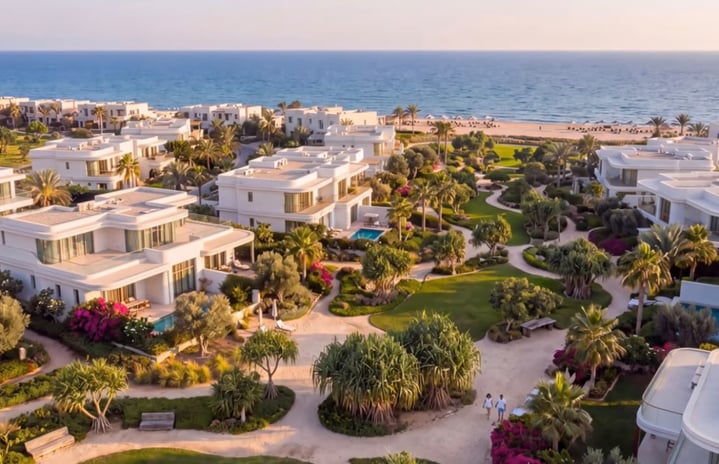
An economic impact assessment for the proposed Maldives Waterfront and Marina development in Rasmale' claims the project could transform the structure of the Maldivian economy by creating opportunities for local businesses, generating tens of thousands of jobs and expanding tourism beyond the traditional resort model.
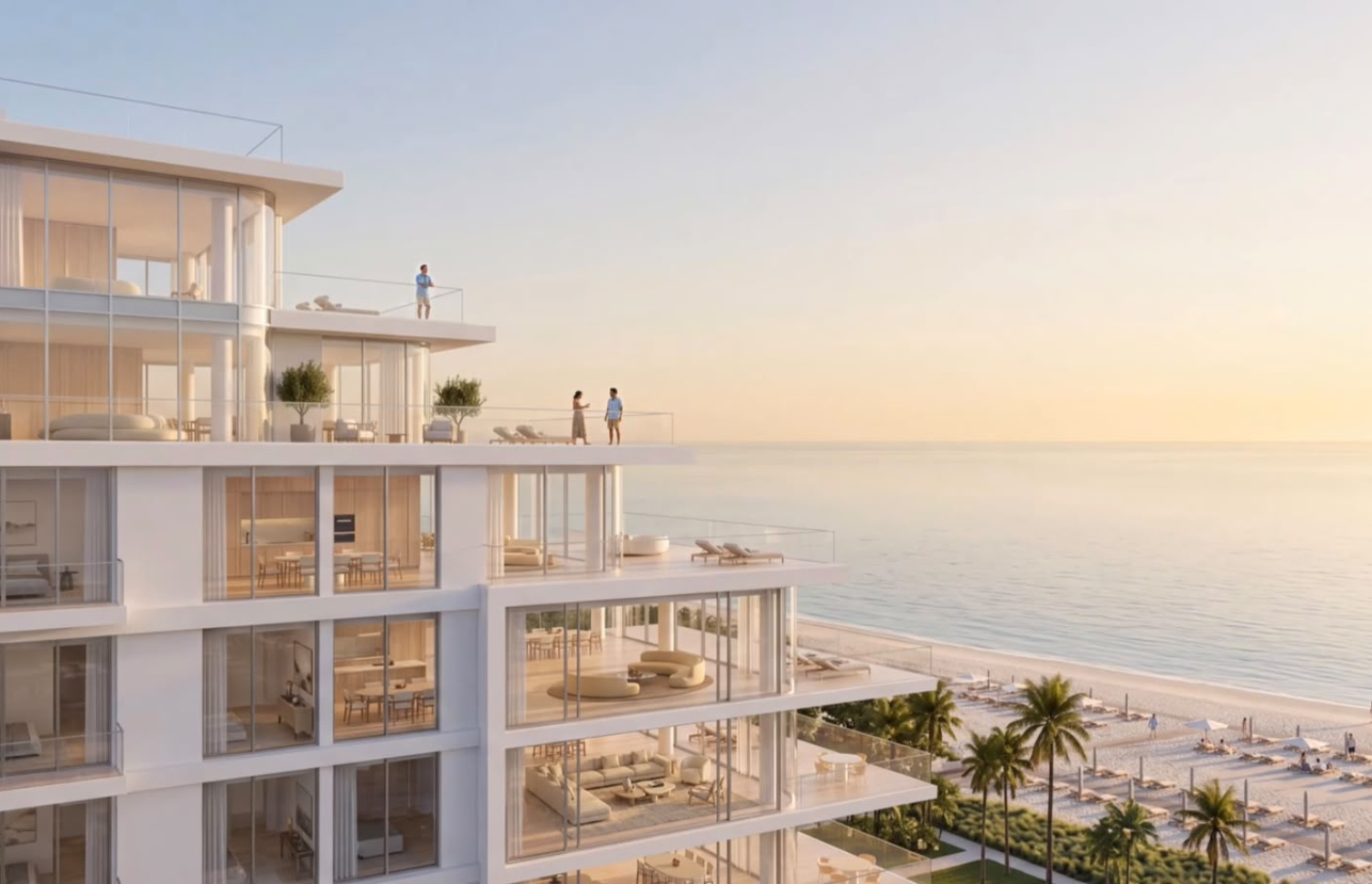
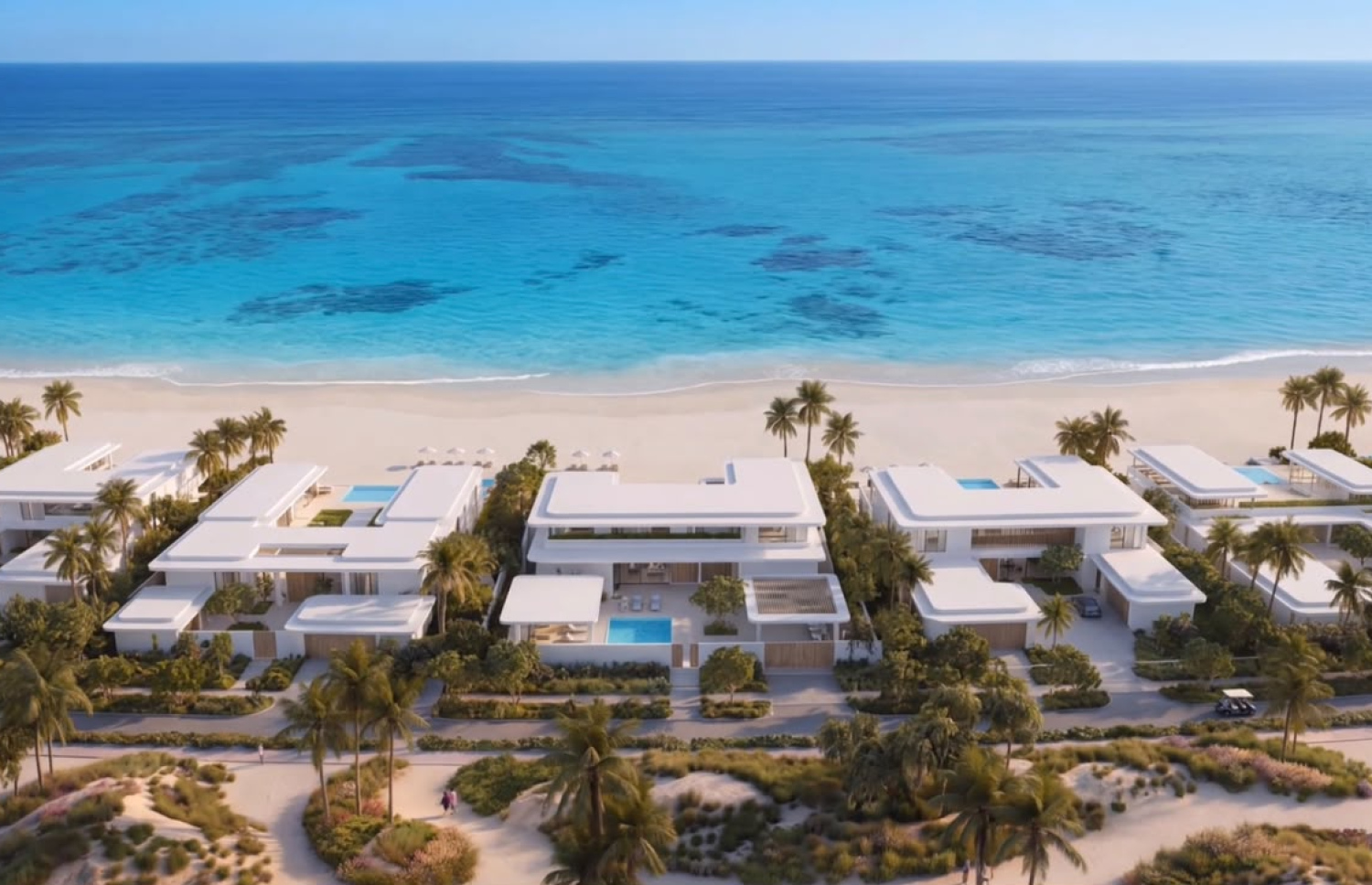
The study, prepared by Evalueserve, states that the proposed USD 20 billion development should not be viewed as another resort project, but as an integrated waterfront district combining hospitality, marina facilities, retail, leisure, residences and public amenities across approximately 500 hectares.
Evalueserve is a global research and analytical firm.
According to the assessment, the project could contribute between USD 30 billion and USD 35 billion to GDP over its lifetime, generate more than USD 40 billion in wider economic impact and bring approximately USD 11.6 billion in fiscal revenues.
The report identifies three key channels through which the development could change the economy: growth of small and medium sized enterprises, expansion of tourism and large scale job creation.
More than 300 SMEs are expected to benefit from opportunities in hospitality, retail, marina operations and waterfront services, creating new demand for local suppliers, contractors and entrepreneurs.
The project is also projected to attract around 900,000 additional visitors annually, equivalent to roughly a 40 percent increase on current tourist arrivals. Researchers argue that the integrated waterfront model could attract new visitor segments and reduce the country's reliance on the traditional resort only tourism product.
Employment is expected to be one of the largest benefits. The study estimates around 60,000 jobs across the construction and operational phases, with approximately 45,000 jobs during construction and additional long term positions once the development becomes operational.
Researchers stress that these three areas are interlinked. A stronger SME sector, higher tourist arrivals and increased employment would reinforce each other, helping ensure more economic value remains within the Maldives rather than flowing overseas.
The study also highlights environmental considerations as a central component of the development. Recommendations include allocating substantial green and public spaces, adopting clean marina practices, investing in renewable energy and incorporating climate resilient infrastructure.
The assessment draws comparisons with major waterfront developments such as Port City Colombo in Sri Lanka, Kura Kura Bali in Indonesia and Melaka Gateway in Malaysia, all of which were designed to combine tourism, commercial activity and urban development while creating substantial employment opportunities.
Evaluserve said that the success of the Rasmale' project should not be measured solely by the scale of investment or the infrastructure built. Instead, the key question will be whether the development creates lasting opportunities for Maldivians through jobs, stronger local businesses and year round economic activity.


