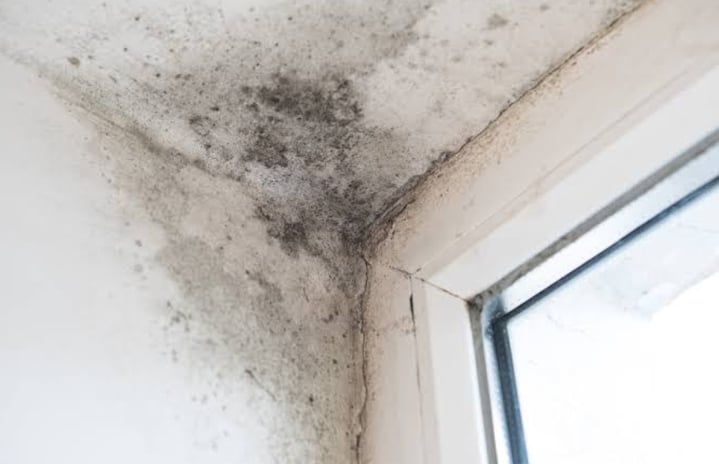
Cold air gravitates towards and sticks to walls, windows and ceilings in households. Even though this may be the result of a leak, it is usually because of higher temperatures and humidity causing "condensation". Condensation is known as water vapor in the air turning into water in a colder environment.
While air conditioner usage has been increasing in the households of a hot environment such as Hulhumale', houses and apartments experience this all year round.
It is a common occurrence due to higher humidity caused by cooking, showering with hot water, and washing and drying clothes. This issue is more prevalent in places where the temperature changes rapidly and airflow is minimal.
How to identify condensation
- Windows, walls or ceilings are cold and wet to the touch.
- Glass is misty and has water formed on it.
- Some places on walls or ceilings are wet.
- A foul or musty smell in the house.
- Fungus growths.
Paying attention to these cues and identifying them early on will lower and eliminate health and hygiene risks, and will aid in establishing a safer environment.
There are things that can be done to lower condensation in a household environment and create a safer environment. This includes creating better airflow, turning on the exhaust when cooking or showering, hanging clothes to dry where airflow is good and without lowering the temperature too much by keeping the air conditioner at 25 degrees Celsius.
When condensation in a house is lowered, the quality of the building is maintained for a long time. Identifying such signs and taking protective steps will establish an environment that is beneficial to health and calming.


