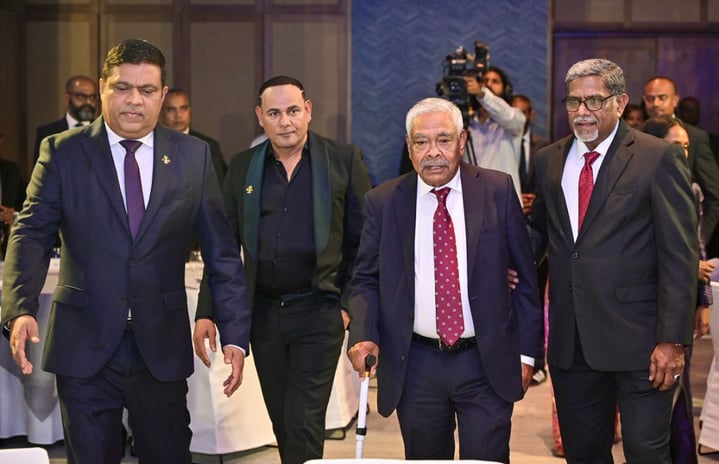
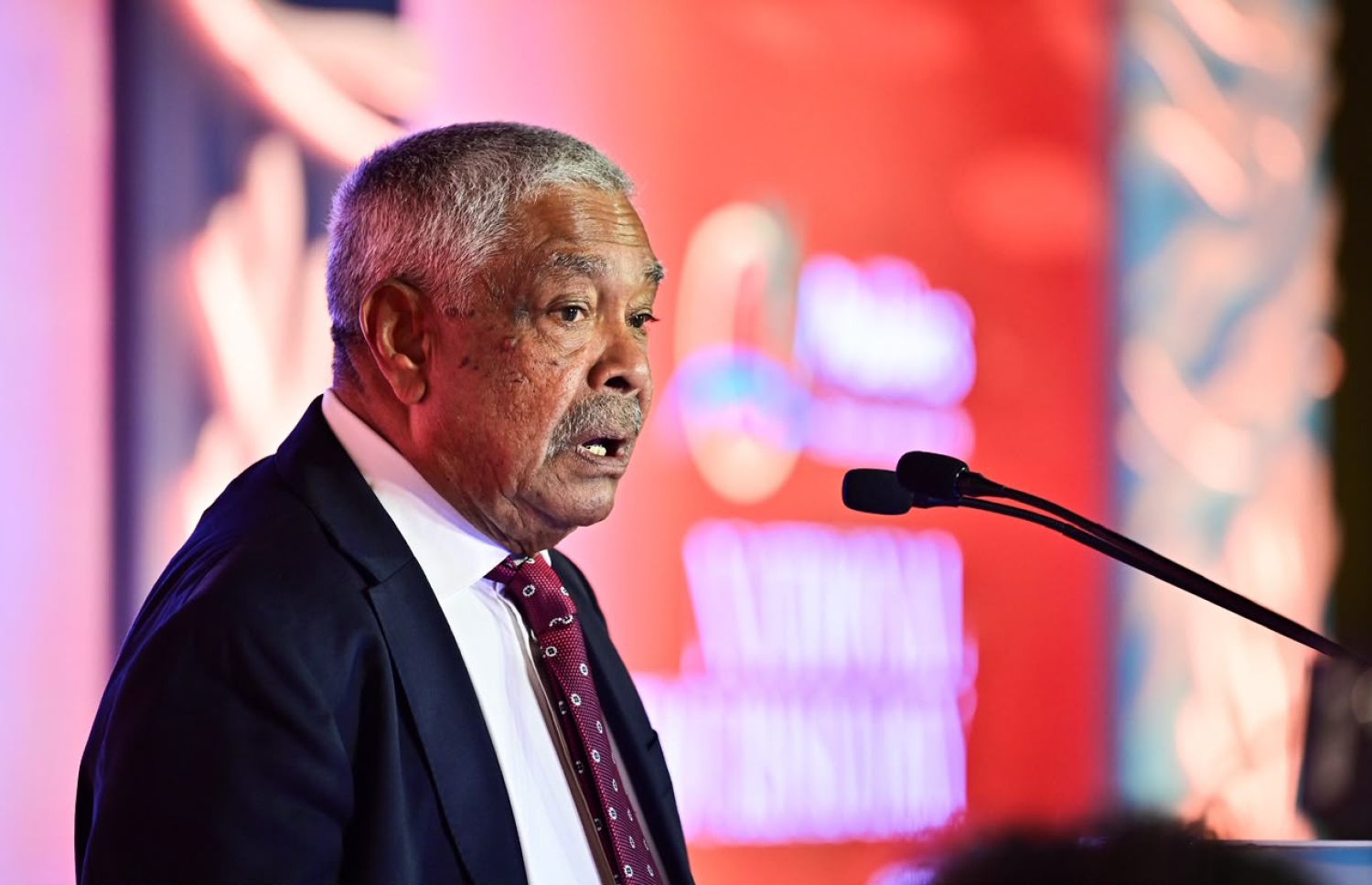
Tourism pioneer and Crown Company Chairman Hussain Afeef (Champa Afeef) began his speech by recalling the early days of tourism in the Maldives, 54 years ago.
Afeef said he wanted to remind younger generations of the hard work and determination of the young people of the 1970s who helped establish tourism in the Maldives.
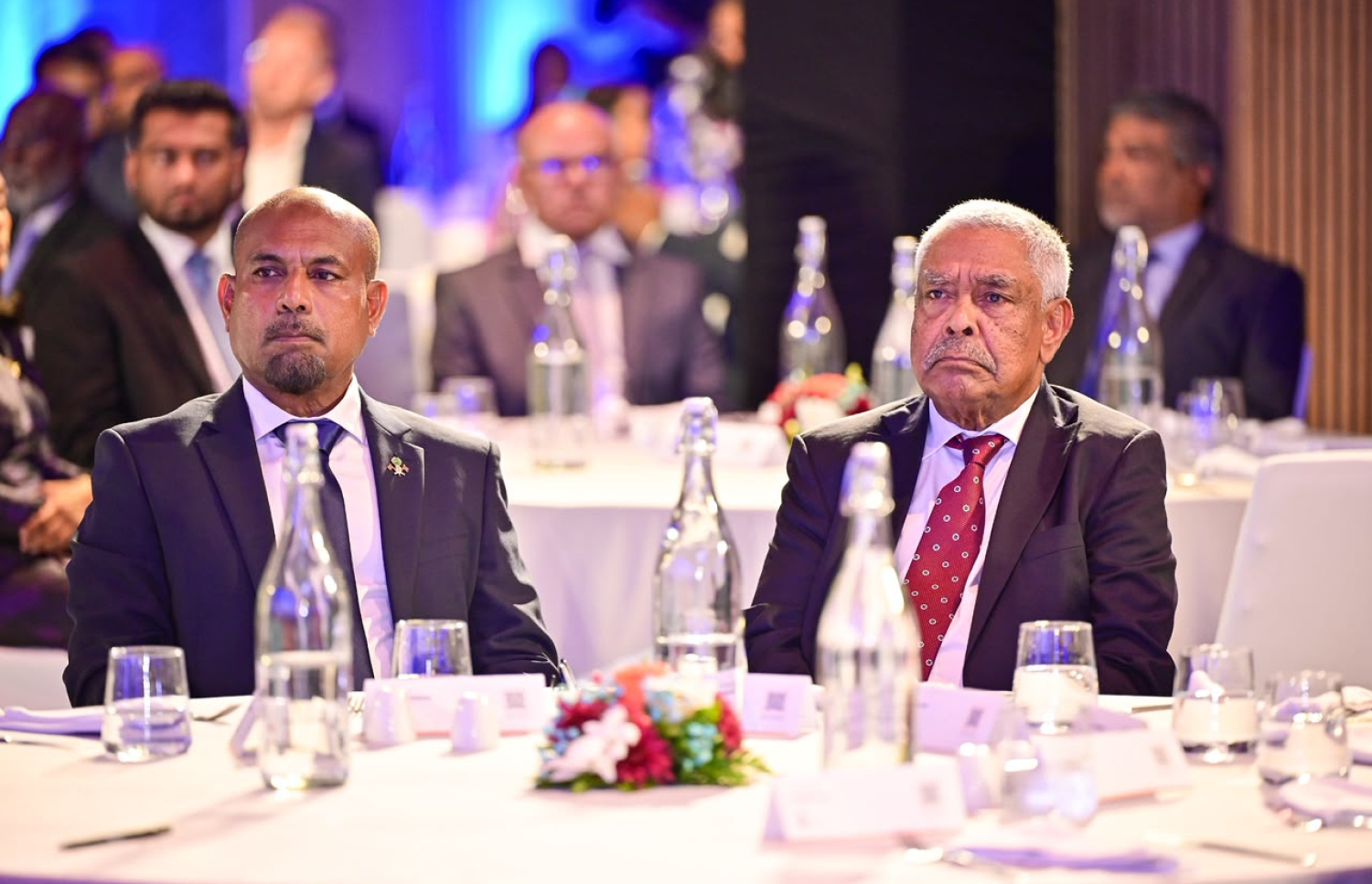
What the country sees today, he said, is the result of the work carried out day and night by his generation.
At a special ceremony marking Maldives National Tourism Day yesterday, Afeef shared his experiences of the changes in tourism services since 1972, as well as developments in the economy, transport and hotel management.
When the Maldives’ first resort, Kurumba, opened in 1972, tourists were charged just USD9 per day for full board or three meals. Transport from what is now Velana International Airport (VIA) to the resort cost USD1.
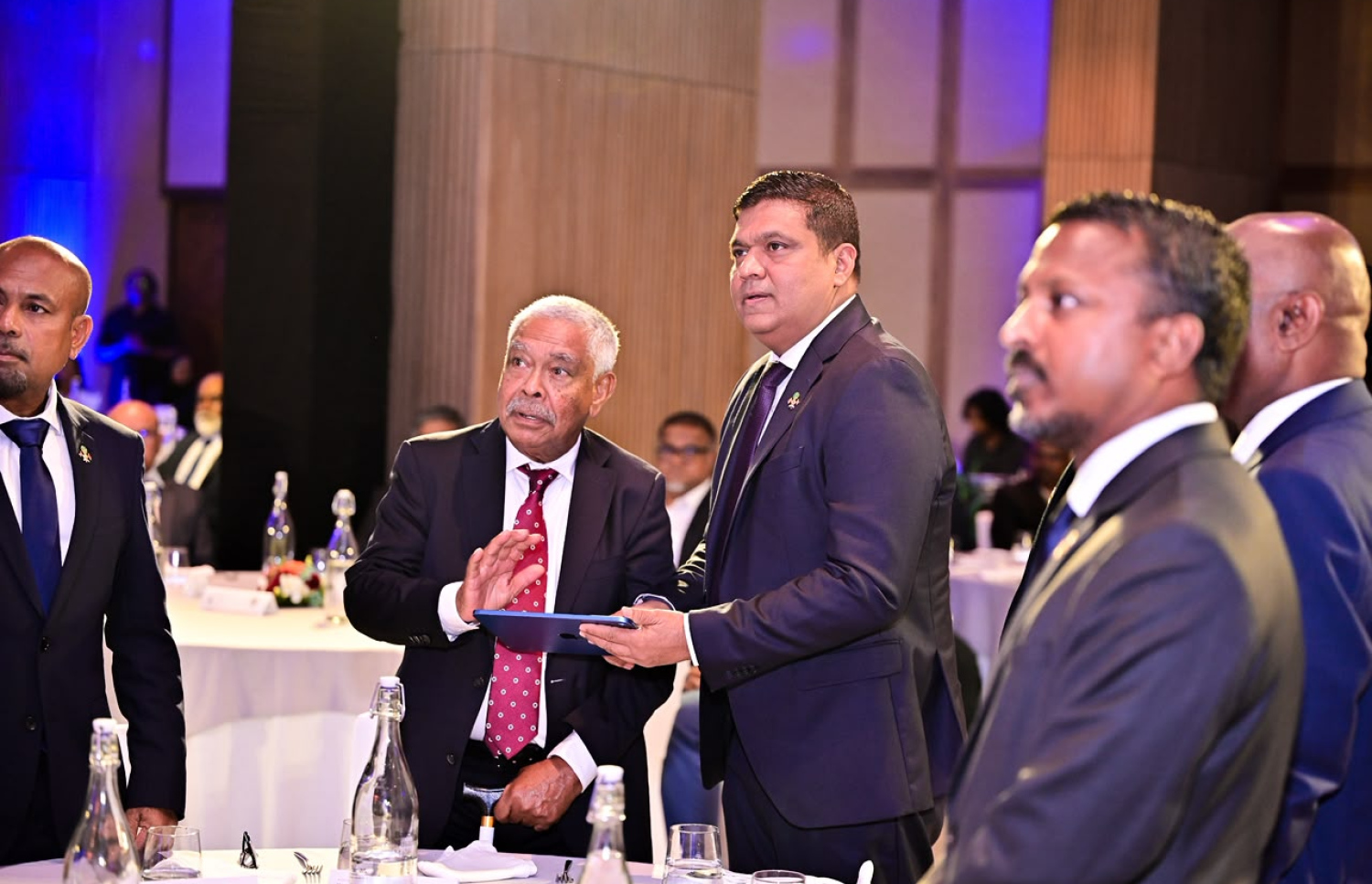
Today, some resorts in the Maldives charge more than USD15,000 per room per night, Afeef noted.
He said the Maldives received 1,097 tourists in 1972, the year the first resort opened, compared with 2.2 million tourists last year.
The first resort had 280 rooms, while there are now around 67,000 tourist beds across the country, he said. The Maldives’ GDP stood at USD1.3 billion at the time, compared with USD18 billion today.
Afeef also recalled the challenges involved in developing tourism in the early years. While bringing tourists to the Maldives was difficult, there were also few options for transporting them from the airport to resorts.
He said he travelled to international tourism fairs, including ITB Berlin in Germany, to promote the Maldives with just leaflets.
The leaflets were distributed to tour operators and other travel businesses attending the fairs, but the Maldives was not initially taken seriously as a tourism destination, Afeef said.
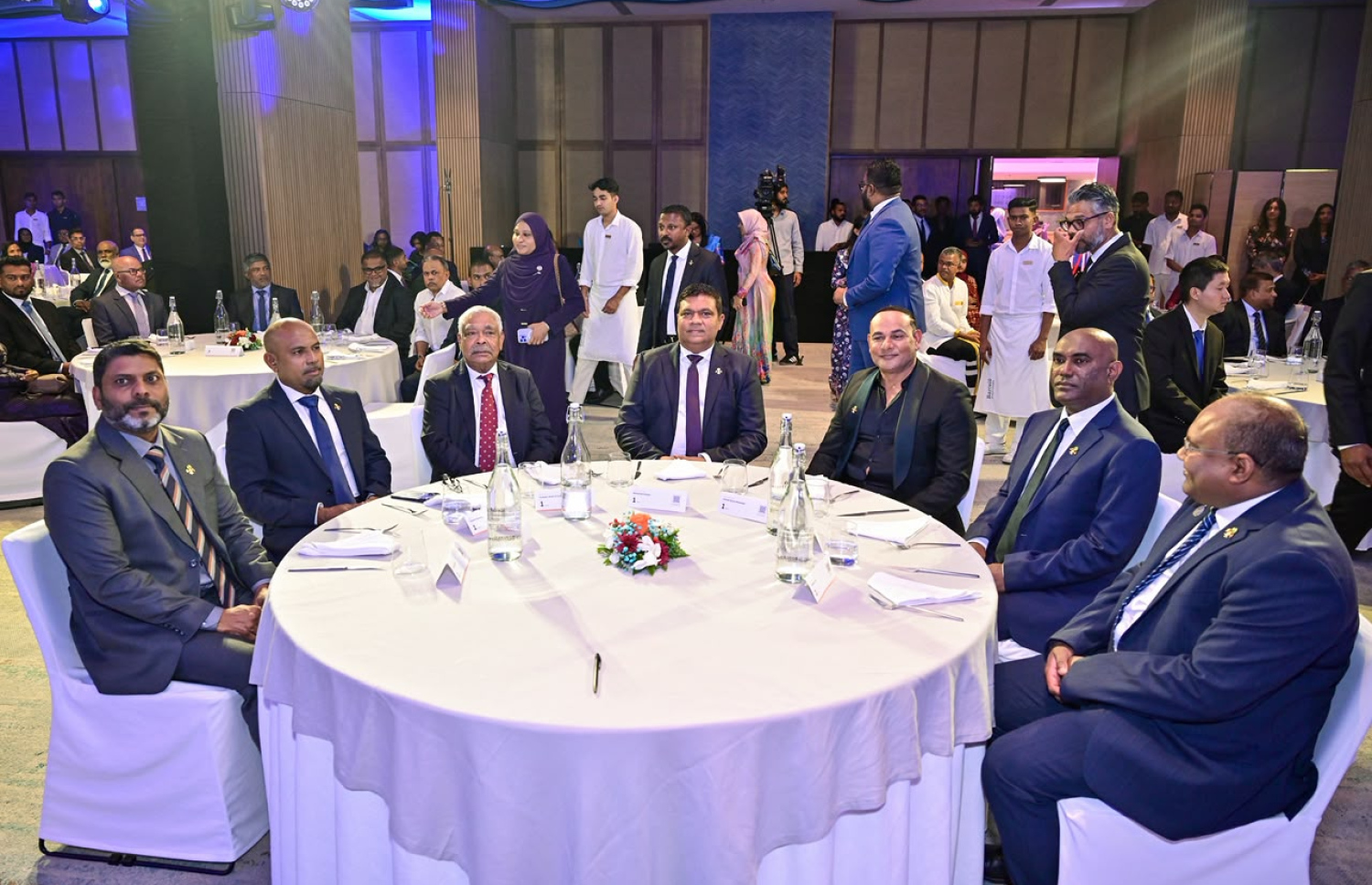
One of the main challenges, he recalled, was that people did not know where the Maldives was located.
Afeef said he and other tourism industry figures initially had little success at international fairs but continued attending them every year.
He said they sometimes had to point out the Maldives’ location on world maps to European tour operators.
“When I went to European countries, they didn't even know where Maldives was exactly located. I used to say it was near Sri Lanka and India, but they didn't know Maldives even then,” he said.
“The first challenge was to tell them that Maldives exists.”
According to Afeef, the arrival of new airlines in the 1980s was one of the factors that contributed to the growth in tourist arrivals.
Resorts subsequently took the initiative to arrange special ferries to transport tourists, making transfers easier, he said.
Afeef also credited tour operators with playing an important role in the early development of tourism in the Maldives.
Some resorts were developed with financing from tour operators rather than banks, he said.
“How did we develop these resorts? We did not do it with our money. There were not many banks then. We developed the resorts with the help of tour operators. When they give advance money, the amounts are deducted from the invoices,” he said.
Afeef said the biggest change in the Maldivian tourism industry in the past 50 years came in 1996, when the world’s largest hotel chain at the time, Hilton, entered the Maldives.
He said Hilton’s success attracted other internationally recognized hotel brands to the country.
“Seventy percent of the resorts in Maldives are now managed by foreigners. The arrival of Hilton in the country has changed tourism in the country. Before that, the tourist resorts in the country were managed by locals,” he said.
Afeef also highlighted the establishment of the hotel school as an important development in providing professional services in Maldivian resorts.
He said foreign hotel schools had used the Maldives’ experience to develop their own services, but there was one thing they could not teach: the hospitality and kindness of Maldivian people.
“Maldives is not only beautiful because of its beautiful white beaches. Maldives’ beauty begins with the unique hospitality given by Maldivians,” Afeef said.
For Afeef, that hospitality remains the most important foundation of tourism in the Maldives.
One thing that has not changed since his generation began developing the industry, he said, is the hospitality and service provided to tourists with a smile.
That smile, woven throughout Afeef’s memories of the industry, remains one of the defining achievements of Maldivian tourism.


