
A study has shown that manta ray tourism in Maldives would net upwards of USD 300 million per year.
The study on the topic of "Valuing conservation and natural wealth: The blue economy of manta ray watching in the Maldives" in collaboration with Australia's Sunshine Coast University shows manta ray tourism in Maldives in 2021 generated around USD 227.3 million in revenue.
This includes USD 39 million from dives for manta ray watching and snorkeling trips, and USD 188 million in miscellaneous tourism expenditure. This amounts to 2.6 percent of Maldives' gross domestic product (GDP).
Manta Trust and Maldives Manta Conservation Program took part in the study, which reads that manta ray tourism has grown by 380 percent compared to 2008. It also reads that 80 percent of tourism service providers now offer manta ray watching services.
"Our findings revealed that manta rays hold intrinsic value and cultural significance within local communities. Acknowledging this, the flow-on benefits to the community extend beyond this industry, reaching local businesses, employed staff, and the government with the direct economic benefits of the manta ray tourism industry are estimated at over USD 311 million per year," reads the study published in June.
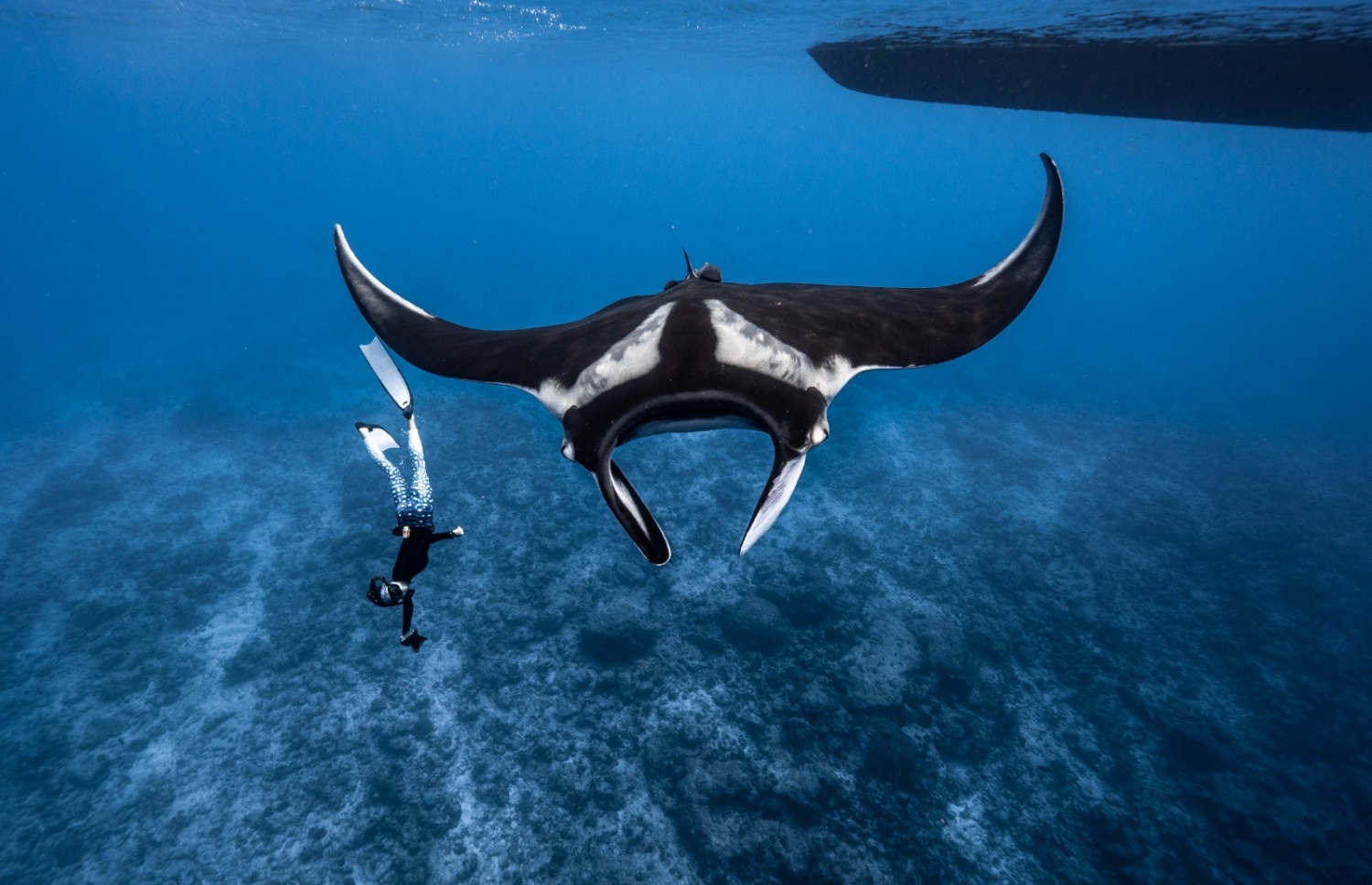
The study was written with information from 106 sources that are active in the tourism industry and via data mining, with it stating that islands in AA. Atoll and ADh. Atoll and resorts have generated a significant amount of revenue from manta ray tourism.
The effects of the profitable revenue generated by manta ray tourism are felt by the public as well. Tour operator surveys show that there are 3,876 staff working at manta ray watching safaris, with 2,602 of them being Maldivians and 1,262 being expatriates.
There are 12 Maldivians who are employed to monitor the Baa Atoll Biosphere Reserve.
The study shows that employees in the manta ray business receive an yearly salary of USD 8,544 (MVR 131,748 per year based on official rates) and expatriates earn USD 10,464 (MVR 161,354 per year based on official rates). A service charge of USD 22,729,838 was given to staff.
67 percent of staff in the manta ray watching and monitoring industry are Maldivians. The government receives USD 34,094,757 in tax as additional benefits from the manta ray watching industry.
The study goes on to read that revenue from tourism has increased as the number of tourists that come to Maldives has increased each year. 55 percent of the people that took part in the 2009-2022 Routine Departure Survey said the main reason they came to Maldives was because of the beauty of Maldivian waters.
26 percent of tourists are especially interested in diving and snorkeling. In addition to manta rays, 22 percent of people have shown interest in large marine life.
In regards to how tour operators are ranked, manta rays are in the top five list of marine life tourists want to see when they snorkel. 28 percent of those people that have gone manta ray watching view it as the most popular activity or sight.
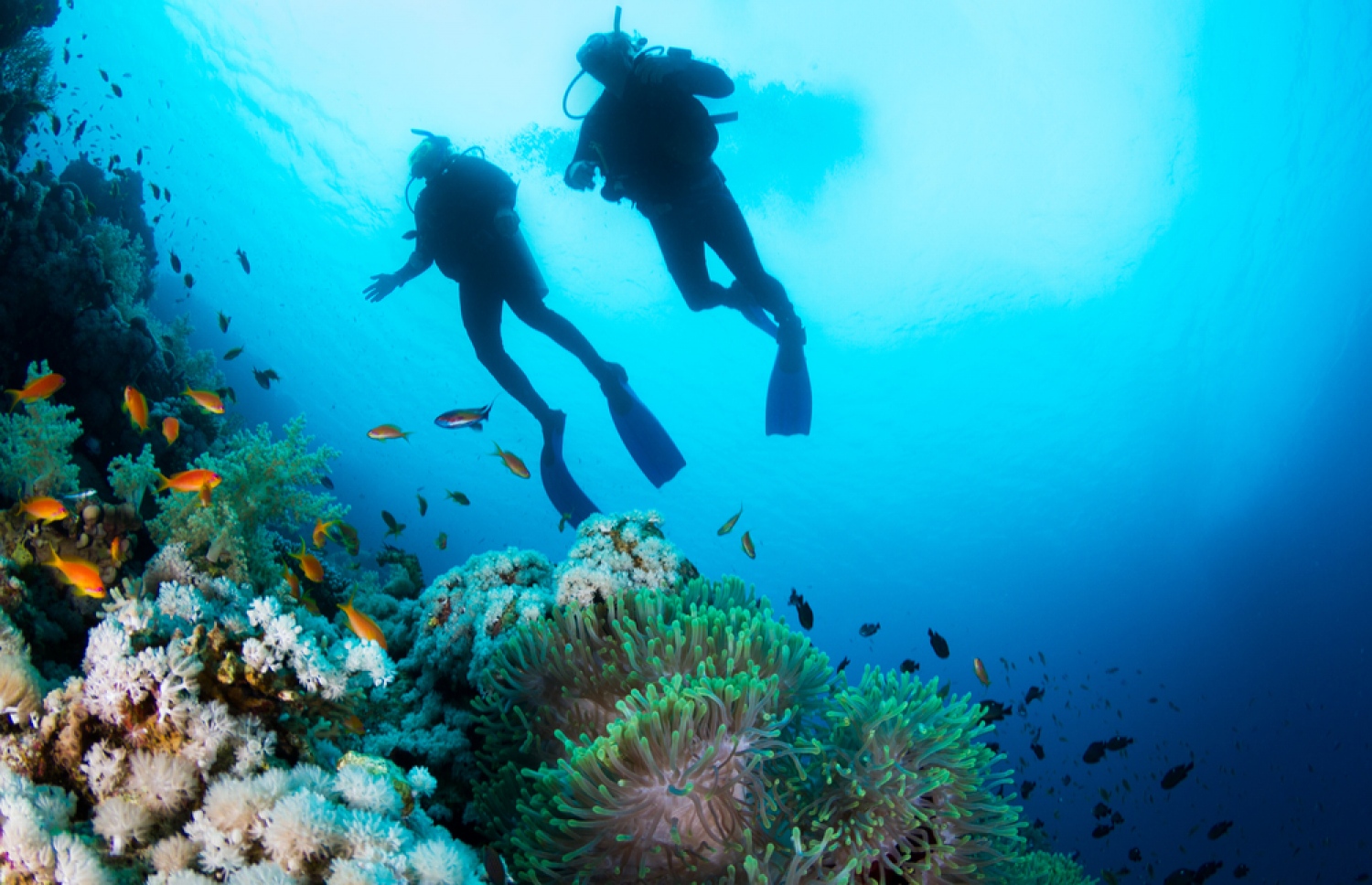
Additionally, manta rays are an important resource used by businesses within marketing to boost financial profits and to increase customer interest.
Negative impacts
The research states the industry will not be sustainable if tourism itself is not sustained or if too few tourists are taken, depending on the region. The study highlighted that an enforceable guideline is needed for this.
The report reads that manta rays experience negative effects due to life threatening wounds and the presence of high numbers of tourists and because of it, the decrease in manta ray's ability to reproduce is to be expected. It further reads that protecting manta ray feeding sites and other vital areas is important.
Even though manta ray watching trips are conducted in Maldives at a large scale, not having evaluated the amount of people who go to those areas can be viewed as a negative effect for the industry.
"It is vital to conduct research into how many people go there so that the negative effects of tourism can be properly evaluated and monitored," reads the report.


