
When the AIDAstella anchored off Male' on 14 May 2025, it brought more than 2,100 international visitors to Maldives.
For many, this wasn’t just another stop on a cruise itinerary, it was the highlight. For Maldives, it was a glimpse into a much larger opportunity: unlocking the untapped potential of the global cruise industry.
With cruise tourism rebounding post-pandemic, Indian Ocean nations are positioning themselves as regional cruise hubs. Maldives, with its globally recognized name and natural appeal, has clear advantages. But while the demand is here, the infrastructure is still catching up and now may be the time to act.
“Maldives is the reason many of our guests book this cruise,” said the Hotel Director of AIDAstella.
“They’re not just passing through; they dream of this place. Many tell us they plan to return for a longer stay.”
However, with the current transportation system, that relies on using small tender boats to bring guests ashore, presents growing challenges for the scalability, safety, and guest satisfaction.
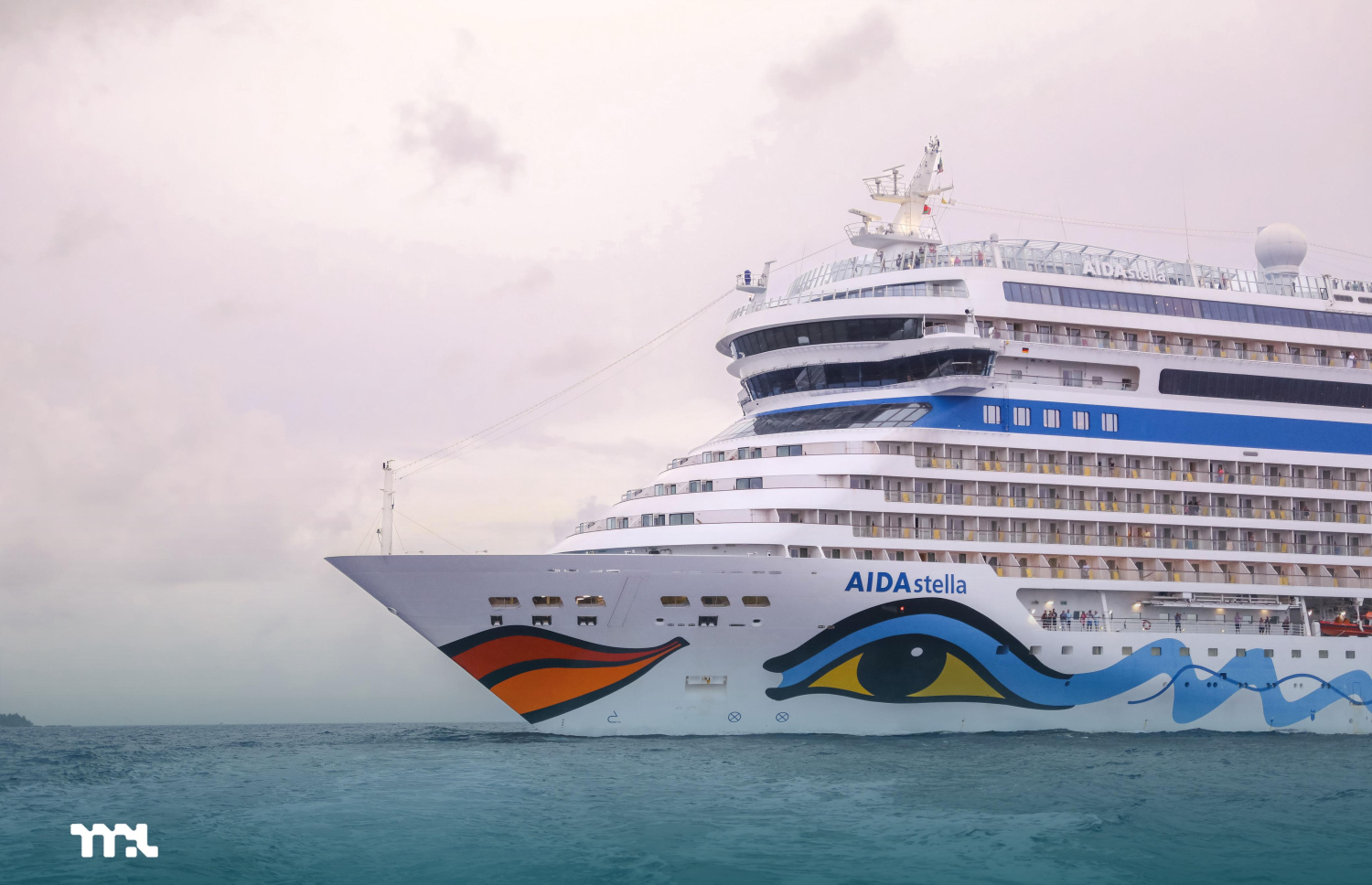
“Tendering is our greatest operational issue,” said the ship’s captain.
“With vessels getting bigger, we need alternatives, terminals or at least floating pontoons like those used in Vietnam and Thailand.”
Cruise experts suggest that floating pontoons could offer a cost-effective temporary solution while long-term infrastructure is developed.
Cruise tourists are high-yield visitors, spending between USD 100 and USD 300 per person on short excursions. A single ship call with 2,000 passengers can generate up to USD 600,000 for the local economy in a single day.
Multiply that across 30 ship calls in a season, and the potential direct injection into the economy ranges from USD 12 million to USD 18 million, excluding indirect benefits like job creation, repeat tourism, and secondary spending.
“Cruise guests spend, engage, and often return. They’re not just visitors- they’re long-term economic contributors,” said the Hotel Director.
According to Abdullah Jaleel, Managing Director of Alliance Management Services Co Pvt Ltd and a local port agent with over 25 years of partnership with Maldives Ports Limited (MPL), the lack of terminal infrastructure is risky in rough waters.
"Prior to the pandemic, we dealt with 20 cruise calls a season, with a maximum of 1,600 passengers getting off and flying out, and the same number embarking. But without a terminal, it's risky to do this in rough waters," said Jaleel.
“MPL has always been responsive and cooperative. But now is the moment for infrastructure to catch up, and this needs to be a national priority."
Neighbouring destinations have already taken steps to capitalize on this growing segment:
- Sri Lanka: receives up to 60 cruise calls per season
- Mauritius: receives around 35- 40
- Seychelles: receives about 50 vessel calls annually
These destinations are investing in dedicated terminals and marine access, aiming to secure a foothold in the fast-growing cruise market post pandemic.
Geographically, Maldives sits at a natural midpoint between Europe and East Asia on popular repositioning cruise routes. AIDAstella’s itinerary spans from the Mediterranean to Japan, making Male' an ideal tropical interlude on extended itineraries.
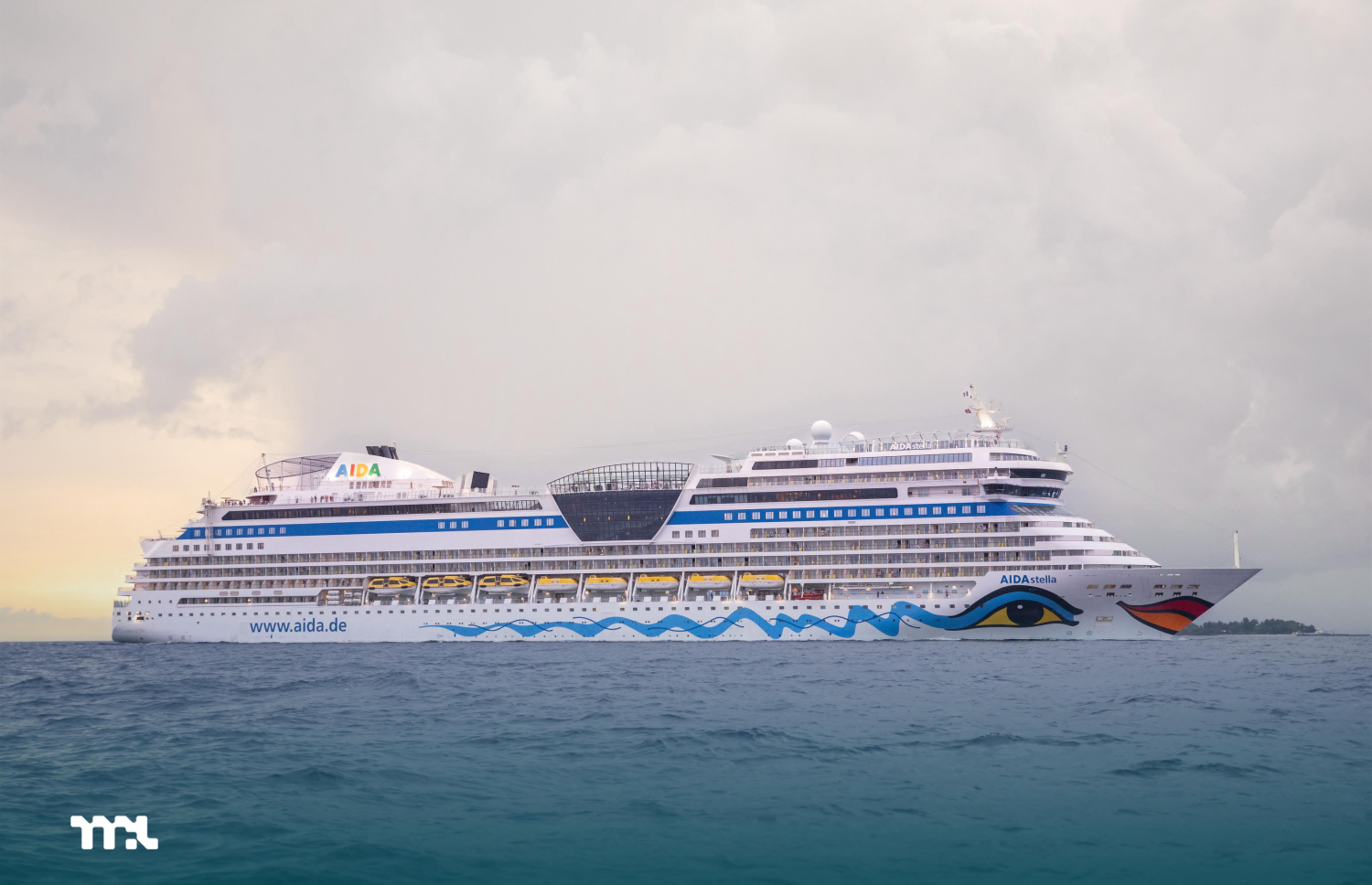
With proper infrastructure, Maldives has the potential to become a main stopovers for seasonal calls as well as full turnarounds, providing stopovers enroute to India, Sri Lanka, Southeast Asia, and beyond.
“We've always admired the Maldives as a luxury destination. Now its time the cruise experience matches that promise," said The Captain.
Maldives has long captivated global travelers. What it now needs is the infrastructure to welcome them efficiently by sea. Whether through public-private partnerships, modular cruise terminals, or temporary pontoon systems, the next phase of development calls for bold collaboration.
Maldives Ports Limited is seeking investors and partners to help shape the future of cruise tourism in the country.


